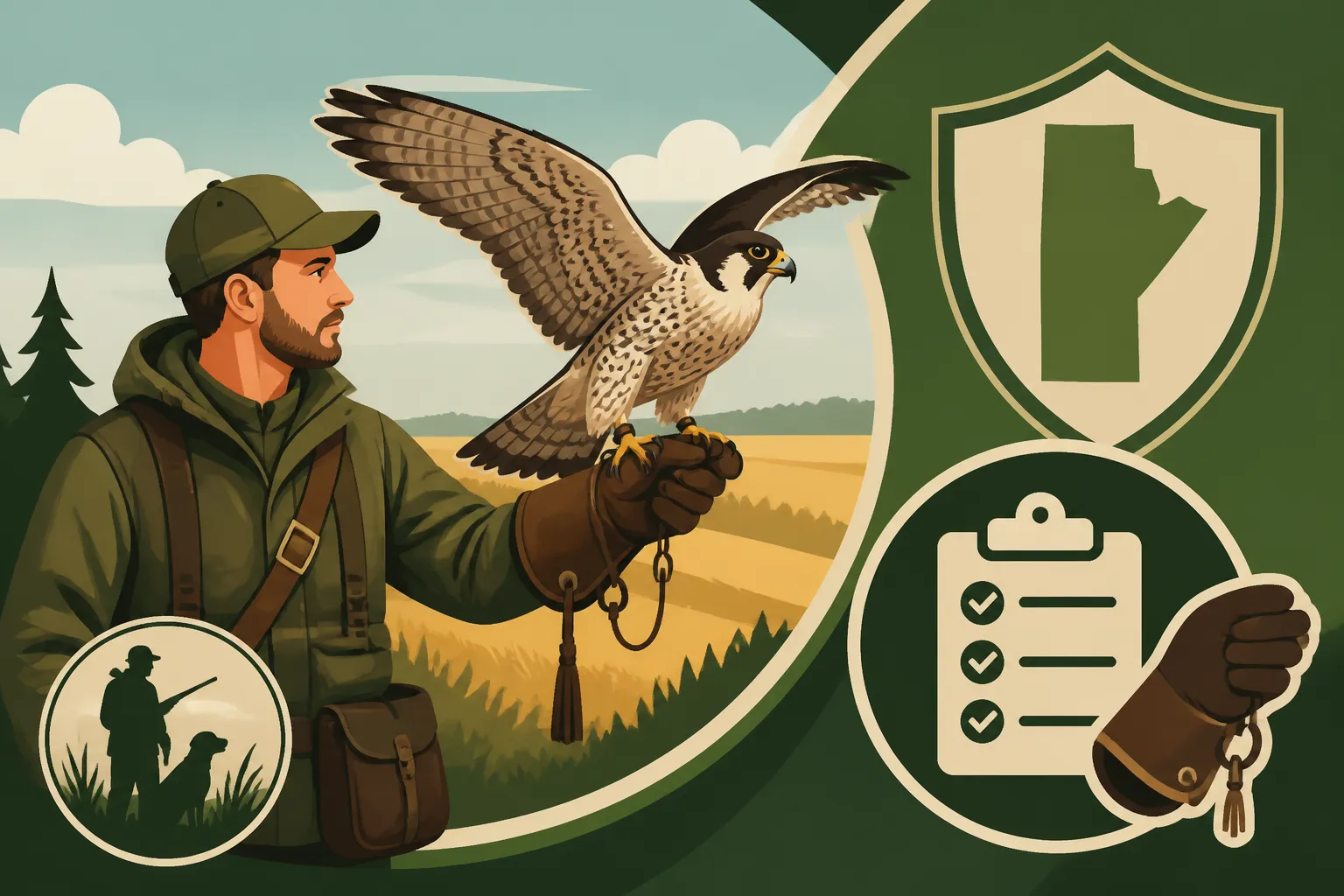
Manitoba Falconry Permit Rules
Embarking on the ancient and revered tradition of falconry in Manitoba might seem like an elusive dream, tangled in a maze of specialized permits and regulations. It’s a challenging pursuit, not just in the demanding training of a raptor, but also in navigating the specific legal pathways to become a licensed falconer here. This guide is designed to cut through the complexity, laying out the Manitoba falconry permit rules and requirements, offering a clear roadmap for anyone dedicated to responsibly practicing this unique hunting art.
The Foundation of Falconry in Manitoba
Falconry, at its heart, is the art of hunting wild quarry in its natural state and habitat, using a trained raptor. It’s a pursuit deeply rooted in respect for the birds and the wild, far removed from mere pet ownership. In Manitoba, the practice is tightly regulated to ensure the welfare of the birds, the sustainability of wild raptor populations, and the ethical conduct of falconers. It’s not a casual hobby; it's a profound commitment that demands significant time, dedication, and a deep understanding of avian biology, training, and conservation.
Historically, falconry permits have been designed to protect raptors, which are apex predators crucial to ecosystem health. Without strict oversight, there could be risks of improper care, illegal harvesting of wild birds, or unethical hunting practices. The provincial government, through its wildlife regulations, ensures that anyone wishing to engage in falconry possesses the necessary knowledge and facilities to do so responsibly. This commitment extends beyond just catching a bird; it’s about providing lifelong care and contributing to conservation efforts.
Defining Falconry and Its Ethical Standards
To truly grasp the essence of Manitoba's falconry regulations, you first need to understand what the province legally defines as falconry. It's more than just having a hawk; it's the active pursuit of wild game with a trained raptor. This distinction is critical because it separates falconers from those who might keep raptors for educational purposes or rehabilitation, which fall under different permitting structures. The ethical standards woven into these definitions emphasize humane treatment, minimal stress on the birds, and a commitment to conservation.
A true falconer understands that their bird is not a pet, but a wild animal, albeit one that is temporarily captive and trained for a specific purpose. This means providing an environment that mimics their natural needs as closely as possible, ensuring their physical and mental well-being. It also means adhering to strict hunting ethics, ensuring fair chase, and respecting bag limits and season dates, much like any other hunter in Manitoba. The responsibility is immense, encompassing everything from diet and health to flight conditioning and safe handling in the field.
Historical Context and Modern Regulations
The history of falconry stretches back thousands of years, evolving from a means of survival to a highly regulated sport. In Manitoba, modern regulations reflect a balance between preserving this ancient tradition and upholding contemporary wildlife management principles. Early falconry practices were often less regulated, leading to periods where raptor populations faced threats. Today, the rules are stringent, a direct result of lessons learned over centuries.
Current regulations aim to prevent over-harvesting of wild raptors, ensure genetic diversity, and mandate high standards of care for captive birds. These regulations aren't arbitrary; they're based on scientific research and conservation biology. When you apply for a permit, you're not just applying for a right; you're agreeing to uphold these modern standards, contributing to the health of raptor populations and the ethical continuation of the sport within the province.
The Journey to Becoming a Licensed Falconer
The path to obtaining a falconry permit in Manitoba is rigorous, designed to ensure that only dedicated and knowledgeable individuals are granted the privilege. It’s a multi-step process that often takes years, starting with mentorship and comprehensive exams, and culminates in a formal application. This structured approach ensures that new falconers are well-prepared for the responsibilities of caring for and hunting with a raptor.
One of the most crucial elements is finding an experienced sponsor. This isn't just a formality; it's a vital apprenticeship where a seasoned falconer guides you through the practicalities, ethical considerations, and day-to-day demands of the sport. This mentorship often lasts for at least two years under an "apprentice" permit, providing invaluable hands-on learning that no book or exam can fully replicate.
Required Examinations and Knowledge Base
Before you can even think about acquiring a raptor, you'll need to pass a comprehensive examination covering various aspects of falconry. This isn't a simple pop quiz; it delves deep into raptor biology, husbandry, medical care, relevant provincial and federal laws, training techniques, equipment use, and ethical hunting practices. Think of it as your foundation for responsible falconry. This exam ensures that you possess the theoretical knowledge to keep a bird healthy and hunt legally.
Many aspiring falconers find it beneficial to connect with established falconry clubs or associations in Manitoba, as these groups often provide study materials, workshops, and even mock exams. The knowledge required goes far beyond identifying a hawk; it includes understanding specific diseases, nutrition requirements, behavioral cues, and the environmental needs of different raptor species. It's a challenging test, but a necessary gatekeeper to protect both the birds and the reputation of the sport.
Apprenticeship and Mentorship Program
Once you've cleared the written exam, the real journey often begins with an apprentice permit. This permit level dictates that you must be sponsored by a general or master falconer who will actively mentor you. This isn't passive learning; your sponsor will guide you through acquiring your first bird, often a common species like a Red-tailed Hawk, and help you establish proper mews (housing) and weathering yards. They'll teach you hands-on how to condition the bird, manage its weight, train it for the field, and ultimately, hunt with it.
The apprenticeship period is critical for developing practical skills. You'll learn how to make jesses, leashes, and hoods, how to cope a beak or trim talons, and perhaps most importantly, how to "read" your bird's mood and health. This close mentorship ensures that the complex nuances of falconry, which are often passed down through generations, are effectively transferred. It also acts as a safeguard, as an experienced falconer can spot potential problems before they escalate, benefiting both the apprentice and the bird. During this time, you might also be looking at resources like GoHunt for information on general hunting areas and access, as understanding where you can legally pursue game is crucial, even with a bird of prey.
Key Regulations for Practicing Falconry in Manitoba
Manitoba's regulations for practicing falconry are extensive and cover everything from the species of raptors you can possess to the construction of their enclosures and the specific seasons during which you can hunt. These rules are non-negotiable and are designed to protect raptors and ensure the ethical and legal practice of falconry. Understanding these rules is paramount to maintaining your permit and avoiding serious legal repercussions.
Failure to comply with any part of these regulations can result in fines, permit revocation, and even confiscation of your bird. It’s a serious commitment, and ongoing vigilance is required to stay current with any changes in provincial wildlife laws.
Permitted Raptor Species and Acquisition
Not just any raptor can be used for falconry in Manitoba. The regulations specify which species are permitted, generally focusing on those that are common and have stable populations, minimizing impact on endangered or vulnerable species. Common choices for apprentices often include the Red-tailed Hawk or American Kestrel, known for being relatively robust and forgiving for new handlers. As you progress to a general or master permit, you may be allowed to possess other species, such as goshawks, peregrine falcons, or even certain owls, depending on provincial guidelines and your experience level.
Acquisition of a raptor is also strictly controlled. You cannot simply go out and capture any bird. Generally, wild-caught raptors must be taken using specific, humane trapping methods, under strict permit conditions, and only during designated times of the year. Often, these are young-of-the-year birds (haggards) or passage birds that are less dependent on their parents. Alternatively, you can acquire captive-bred birds from other licensed falconers or breeders. Each acquisition must be reported, and the bird must be banded with a specific identification band issued by wildlife authorities. This tracking is essential for conservation and preventing illegal trade.
Housing and Care Standards
The welfare of your raptor is a cornerstone of Manitoba's falconry regulations. This means providing appropriate housing that meets specific standards for size, safety, and hygiene. A proper mew (indoor housing) must be secure, weatherproof, and large enough for the bird to comfortably extend its wings and move around without damaging its feathers. The flooring must be easy to clean, and proper ventilation is crucial. You also need a weathering yard (outdoor enclosure) that provides shelter from the elements, protection from predators, and a safe place for your bird to perch and sun itself.
Water must always be available for bathing and drinking, and the diet must be species-appropriate, nutritious, and fresh. Regular health checks, prompt veterinary care when needed, and careful weight management are also critical aspects of care. Falconers are often subject to inspections by conservation officers to ensure these standards are met. This level of oversight ensures that these magnificent birds are kept in conditions that promote their health and well-being, reflecting the deep respect falconers have for their charges.
Hunting Seasons and Bag Limits
While you have a raptor, you're still a hunter, and as such, you must abide by Manitoba's general hunting regulations regarding seasons, bag limits, and legal game. Your raptor is essentially an extension of your hunting tool. This means that if the season for rabbits or game birds is closed to rifle hunters, it’s closed to falconers too. You cannot use your bird to hunt out of season or exceed the established bag limits for the species you are pursuing.
Additionally, some species might be restricted from falconry entirely, or special permits may be required. For instance, migratory game birds fall under federal regulations, and while falconry permits allow you to hunt certain species, you may also need a Migratory Game Bird Permit in addition to your provincial falconry license. Knowing your local Manitoba Big Game Season Dates and specific game bird seasons is essential. Staying informed on Manitoba's Game Hunting Areas and any special closures or rules within specific GHAs is also vital, and resources like GoHunt can be useful for this general hunting information.
Here’s a summary of key permit levels and requirements in Manitoba:
| Permit Level | Minimum Age | Mentorship Required | Experience/Exam | Raptors Allowed (Examples) | Key Restrictions |
|---|---|---|---|---|---|
| Apprentice | 14 | Yes (2+ years) | Written Exam | Red-tailed Hawk, American Kestrel | One wild-caught raptor at a time; no breeding. |
| General | 18 | N/A (after apprentice) | Min. 2 years as Apprentice | More varied hawks, falcons; allows breeding. | Max. 3 wild-caught raptors at a time. |
| Master | 21 | N/A (after general) | Min. 5 years as General | Broadest range of raptors; experienced breeding. | No fixed limit on wild-caught, but managed. |
Note: Specific species and numbers are subject to provincial regulation and conservation officer discretion. This table is for illustrative purposes only and does not constitute legal advice. Always consult current Manitoba hunting regulations.
Beyond the Permit: Responsible Falconry Practices
Obtaining a falconry permit is just the beginning of a lifelong commitment. Responsible falconry extends far beyond merely following the letter of the law; it encompasses a deep ethical responsibility to the raptor, to the wild, and to the community of falconers. This involves continuous learning, active participation in conservation, and maintaining a high standard of conduct both in and out of the field.
Ethical Hunting and Conservation Contributions
Falconers, perhaps more than any other group of hunters, are intimately connected with the health of raptor populations. Many engage in conservation efforts, such as raptor rehabilitation, educational programs, and participation in scientific banding projects. They understand that a healthy ecosystem with abundant prey species is essential for both wild raptors and the practice of falconry. As such, ethical hunting is paramount. This includes ensuring quick, clean kills, avoiding unnecessary stress on quarry, and respecting the natural balance.
It also means being mindful of public perception. Falconers are ambassadors for their sport. Practicing Hunting Safely in Deep Winter Cold or any other conditions means being visible and transparent, especially when hunting close to populated areas or on Manitoba's Crown Land Access. Respecting private property and securing appropriate landowner permission, as outlined in Manitoba Landowner Permission Law, is also crucial. Every action reflects on the falconry community as a whole.
Reporting and Renewal Requirements
Maintaining your falconry permit in Manitoba isn't a "set it and forget it" situation. There are ongoing reporting requirements. Typically, you'll need to submit annual reports detailing your activities, including the health status of your bird, any game taken, and any changes in your housing facilities. These reports allow wildlife authorities to monitor raptor populations and ensure compliance with regulations.
Permits also require regular renewal, usually annually. It’s your responsibility to keep track of these deadlines and ensure all necessary paperwork is submitted on time. Failure to do so can lead to your permit lapsing, rendering your possession of a raptor illegal. These administrative tasks, while seemingly tedious, are vital components of responsible wildlife management and conservation.
Continuous Learning and Community Engagement
True falconers are lifelong learners. The nuances of raptor behavior, training techniques, and conservation science are constantly evolving. Engaging with other falconers, joining local or national falconry associations, and attending workshops are excellent ways to stay informed and refine your skills. The falconry community in Manitoba is relatively small but passionate, offering a wealth of collective knowledge and experience.
Being part of this community means sharing experiences, learning from others' successes and challenges, and contributing to the mentorship of new falconers. It’s an opportunity to ensure that the rich traditions and responsible practices of falconry are passed down to future generations, upholding the integrity of this ancient art.
Disclaimer
The information provided in this guide is for general informational purposes only and does not constitute legal advice. Hunting and falconry regulations in Manitoba are subject to change. It is your sole responsibility to consult the most current official Manitoba Wildlife Act, Regulations, and associated permits directly from the provincial government, as well as federal migratory bird regulations where applicable, before engaging in any hunting or falconry activities. Always ensure you are fully compliant with all local, provincial, and federal laws.