Taking Meat and Antlers Across the Border
Bringing your hard-earned game meat and magnificent antlers home across the international border can feel like navigating a minefield of regulations. After a successful hunt in Manitoba, the last thing you want is a surprise at customs that jeopardizes your trophy or your precious meat. This guide is here to untangle the complexities, ensuring your cross-border journey with your harvest is as smooth and stress-free as possible, allowing you to proudly display your trophy and enjoy your wild game without a hitch.
Understanding Canadian and U.S. Regulations for Game Transport
The regulations governing the transport of game meat and antlers across the Canada-U.S. border are a labyrinth of federal, provincial/state, and even international rules. It’s not enough to simply have a tag; you need to understand the intricate requirements on both sides to avoid costly delays or even confiscation. This isn't just about paperwork; it's about public health, disease prevention, and wildlife conservation.
Federal Regulations for Meat USDA/CFIA
When it comes to game meat, both Canada (through the Canadian Food Inspection Agency, or CFIA) and the United States (through the U.S. Department of Agriculture, or USDA) have stringent rules designed to prevent the spread of animal diseases. This is paramount, especially with concerns like Bovine Spongiform Encephalopathy (BSE) or, more recently, African Swine Fever (ASF) in wild boar populations, even if Manitoba doesn't have a large wild boar issue for hunters to contend with, the principle remains.
For U.S. residents bringing game meat back into the United States, the USDA’s Animal and Plant Health Inspection Service (APHIS) generally allows the importation of cervid (deer, moose, elk, caribou) and other wild game meat for personal consumption, provided it is boneless. This "boneless" rule is critical. The bone-in restriction is primarily a safeguard against neurological diseases like CWD (Chronic Wasting Disease), which can reside in lymphatic tissue and bone marrow. If you’re planning to bring back a moose quarter or a deer hindquarter, it absolutely must be deboned before crossing the border. This means careful butchering in Manitoba, often at a licensed facility, or a very thorough job at your camp. Furthermore, the meat must be properly packaged and labelled, indicating the species and the hunter’s name. Vacuum sealing is highly recommended not only for preservation but also for ease of inspection. If you're bringing back waterfowl or upland birds, these generally face fewer restrictions, but they still need to be properly plucked or field dressed and clearly identified.
Conversely, Canadian residents bringing game meat into Canada from the U.S. (if they’ve hunted there) would face similar CFIA rules. While less common for Manitoba hunters returning home, it’s a good benchmark for the kind of diligence required. The overarching goal is disease prevention, and inspectors on both sides of the border are trained to look for signs of non-compliance. Don't assume anything; always confirm the latest regulations before you leave for your hunt. Websites like GoHunt might offer resources or forums where hunters share their recent experiences, which can be helpful supplementary information, but always cross-reference with official government sites.
Antler and Hide Regulations USFWS/CITES
Antlers, hides, and other non-meat parts of your trophy fall under a different set of regulations, primarily concerning wildlife conservation and the prevention of illegal trade. In the U.S., the Fish and Wildlife Service (USFWS) takes the lead here, often in conjunction with Customs and Border Protection (CBP).
For antlers, especially those still attached to the skull plate (skull cap), the primary concern again revolves around CWD. Many U.S. states and federal regulations require that skull plates be cleaned of all brain tissue and other nervous system material. This isn't just a suggestion; it’s a strict requirement. Some jurisdictions might even prefer or require the entire skull to be removed and only the antlers (or cleaned skull plate) to cross. For a magnificent set of Manitoba whitetail antlers, you'll need to ensure proper skull cap cleaning or consider having a taxidermist handle the skull for you. Remember that green capes (un-tanned hides) also need proper handling. They must be frozen solid or heavily salted to prevent spoilage and potential pest infestations. Just like with meat, clear labelling with species and hunter information is mandatory.
Beyond national regulations, certain species are subject to the Convention on International Trade in Endangered Species of Wild Fauna and Flora (CITES). While most common game animals like white-tailed deer, moose, or black bears hunted in Manitoba aren't CITES-listed, if you were to hunt something rarer or travel to other international destinations, CITES permits would be absolutely essential. Even for common species, the USFWS requires an import declaration, Form 3-177, for any wildlife parts. This form needs to be accurately filled out and presented to USFWS upon entry. Failure to declare wildlife items can lead to significant penalties, including fines and confiscation. It’s a good practice to prepare this form in advance.
The Essential Paperwork You'll Need at the Border
One of the biggest hurdles for cross-border game transport is undoubtedly the sheer volume of paperwork. Each piece of documentation serves a specific purpose, verifying the legality of your hunt and the health status of your harvest. Trying to wing it at the border is a recipe for disaster.
Manitoba Export Permits and Licences
Before you even think about leaving Manitoba, you need to ensure you have all your provincial documentation in order. This starts, of course, with your valid Manitoba Hunting Licences and What They Cost and the species-specific tags for whatever you've harvested. For non-residents, understanding Manitoba Non-Resident Licence Options is key, as the requirements can differ slightly.
Crucially, you'll need proof of legal harvest. This includes your validated hunting licence and big game tag, which should be physically attached to your animal or its parts as required by Manitoba regulations. Many hunters also carry a copy of the Manitoba Hunter’s Guide or relevant provincial regulations to reference if questions arise. While Manitoba doesn't typically require a specific "export permit" for personal consumption of legally harvested game for most species, your validated licence and tag serve as your primary proof of ownership and legal take. The Conservation Officer at the border or an official at a designated game check station may want to inspect these documents. For any confusion, contacting the Manitoba Department of Natural Resources and Northern Development before your trip is highly recommended. They can provide the most current and authoritative guidance. When planning your trip, consider places like the Swan Valley or Interlake regions, which offer good hunting opportunities and various services that can assist with proper documentation.
U.S. Import Documentation Form 3-177 and CBP
For U.S. citizens, crossing back into the United States with game meat and trophies involves specific federal forms beyond your state-issued hunting license. The most critical document for wildlife items is the U.S. Fish and Wildlife Service (USFWS) Form 3-177, Declaration for Importation or Exportation of Fish or Wildlife. This form requires you to declare all wildlife products you are bringing into the country, detailing the species, quantity, and where it was harvested. You can typically find and fill out this form online before you arrive at the border, which can save a lot of time. Having it pre-filled and printed, ready for presentation, shows diligence and can expedite your process.
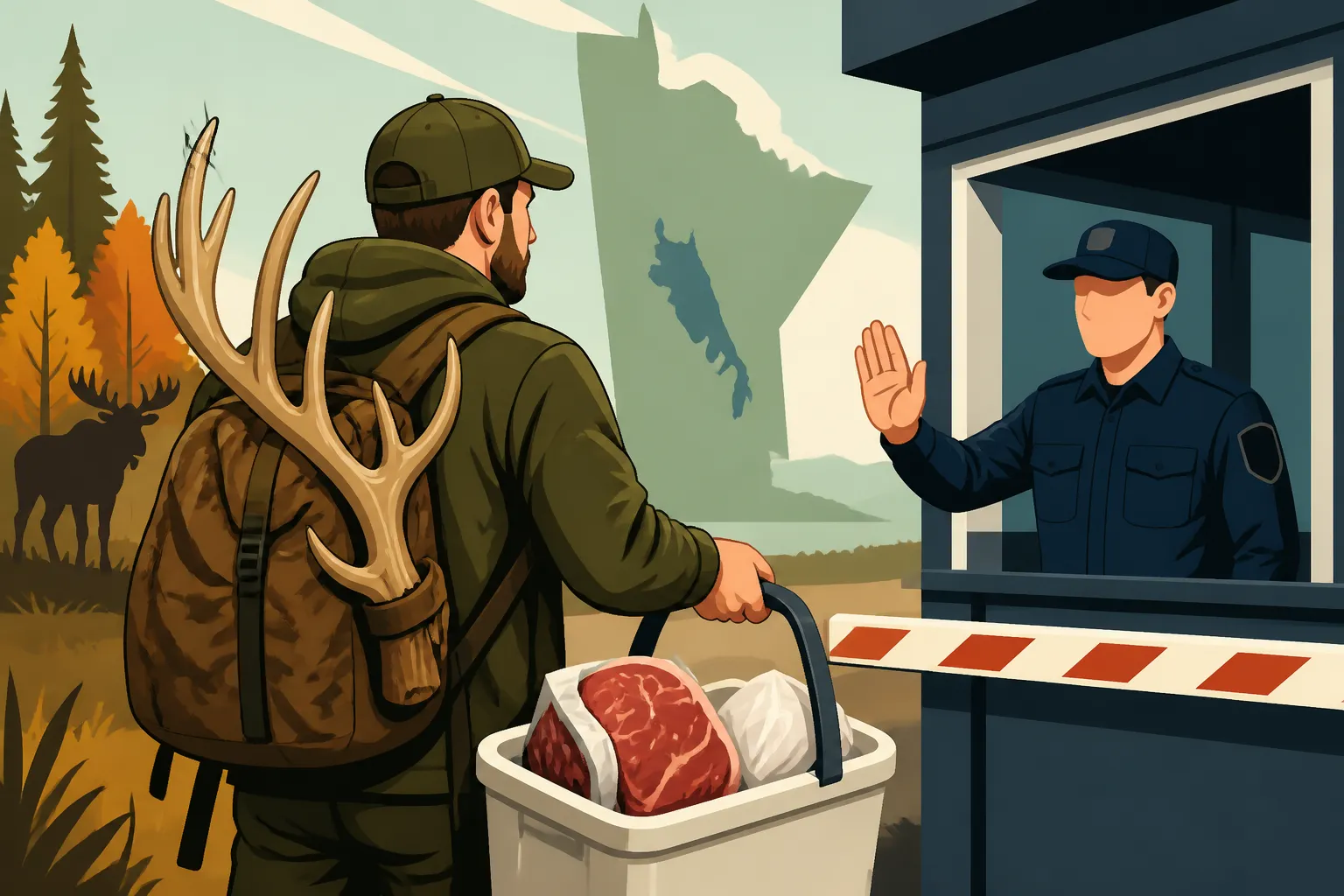
In addition to the USFWS form, you’ll be dealing with U.S. Customs and Border Protection (CBP). CBP officers are primarily responsible for ensuring all goods entering the U.S. comply with federal laws, including those related to agriculture and wildlife. They will review all your documentation – your passport, declaration forms, hunting licenses, and any CWD testing results. They have the authority to inspect your vehicle and your game, so ensure everything is easily accessible and not buried under layers of gear. Being honest and transparent with border agents is always the best approach. If you’ve followed all the steps, you should have nothing to hide. Sites like GoHunt are great for pre-trip research, but for actual border crossing info, always check the official CBP and USFWS websites.
Crucial Considerations for CWD
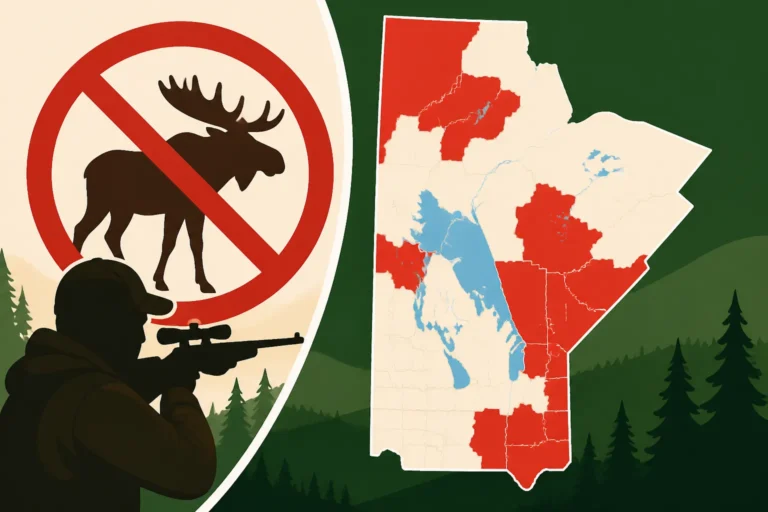
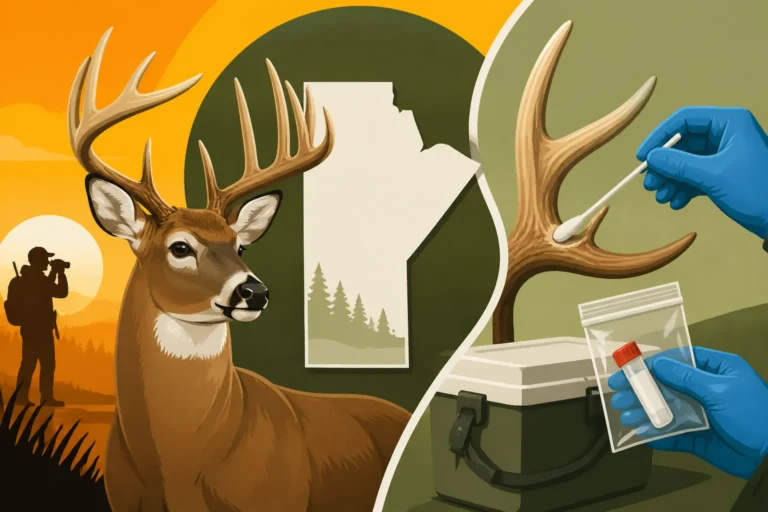
Chronic Wasting Disease (CWD) is a significant concern for wildlife agencies across North America, and it profoundly impacts how you can transport game across borders, particularly cervids. Manitoba has been actively monitoring and managing CWD, with mandatory Manitoba's CWD Sampling Requirements in certain Game Hunting Areas (GHAs).
If you harvest a deer, elk, or moose in a GHA requiring CWD sampling, you must submit a sample as directed by Manitoba regulations. Furthermore, specific rules apply to Moving a Carcass Out of a Sampling Area. Generally, whole carcasses are restricted from being moved out of designated CWD zones, and often across provincial or international borders. For U.S. import, most states and federal guidelines require that if you’re bringing cervid meat back, it must be deboned. This means no brain, spinal cord, eyes, spleen, or lymph nodes attached to the meat. These tissues are known to harbour the CWD prion. Antlers are generally allowed if all brain tissue is thoroughly removed from the skull plate. Capes should also be free of nervous system tissue.
Table: Cross-Border Game Transport Requirements at a Glance
| Item | Manitoba Requirements (Export) | U.S. Requirements (Import) | Key Actions for Hunter |
|---|---|---|---|
| Game Meat (Cervids) | Validated hunting license/tag. | Must be boneless. No brain, spinal cord, eyes, spleen, lymph nodes. | Debone completely. Label clearly. Ensure proper cold storage. |
| Game Meat (Non-Cervids, e.g., Bear) | Validated hunting license/tag. | Generally boneless not required, but clean, well-preserved. | Process cleanly. Label clearly. Ensure proper cold storage. |
| Waterfowl/Upland Birds | Validated hunting licence/tag, federal permit. Bag limits adhered to. | Generally whole, but clean & field dressed. Limit rules apply. | Ensure proper processing. Adhere to limits. |
| Antlers (Skull Plate Attached) | Validated hunting license/tag. | All brain & nervous tissue removed. Cleaned and dried. | Thoroughly clean skull plate. |
| Antlers (Sheds) | No license required if found. | Generally no restrictions for clean, natural sheds. | Clean of any tissue. |
| Capes/Hides | Validated hunting license/tag. | Frozen solid or heavily salted. Free of tissue/pests. | Properly freeze or salt. Tag clearly. |
| Hunter Documentation | Valid MB hunting license, species tags. | Passport, USFWS Form 3-177, State hunting license. | Keep all documents organized & accessible. |
| CWD Compliance | Sample submission if from designated GHA. Carcass movement rules. | Deboning rule for cervids. No high-risk parts. | Understand CWD zones. Debone carefully. Submit samples. |
It's absolutely essential to be honest about your harvest location. If you harvested an animal in a CWD-positive area, follow all the prescribed precautions. The integrity of our wildlife populations depends on it. Don't risk confiscation or fines by trying to circumvent these vital regulations.
Preparing Your Game for Cross-Border Travel
The successful transport of your game meat and antlers isn't just about paperwork; it's also heavily reliant on how you prepare your harvest from the moment it hits the ground. Proper care in the field and during processing will make all the difference at the border.
Proper Field Dressing and Processing
From the second you tag your animal, proper field dressing is paramount. For meat intended for cross-border travel, immediate and thorough cooling is non-negotiable, especially when you're hunting in milder temperatures common during the early archery season or the Hunting the Rut in Early to Mid November. Rapidly remove the viscera to allow the carcass to cool down as quickly as possible. In Manitoba's often chilly climate, especially later in the season, natural cooling can be efficient, but don't let the animal spoil.
Once back at camp or a processing facility, the critical step for cervids is deboning. To meet U.S. import regulations and CWD precautions, all bone, brain, spinal cord, eyes, spleen, and visible lymph nodes must be removed from the meat. This isn't a small task; it requires skill and time. Many hunters opt to use local Manitoba Meat Processing and Cold Storage facilities that are familiar with these requirements. They can process and vacuum-seal your meat into convenient, border-ready packages. If you decide to do it yourself, ensure you have a clean workspace, sharp knives, and plenty of ice or refrigeration. For a moose or large elk, this can mean a significant amount of work. Taking extra care here will save you immense headaches at the border.
For antlers, especially if still attached to the skull plate, thorough cleaning is essential. All brain tissue must be meticulously removed from the skull plate. Scraping, boiling, or using beetles (dermestid beetles, often employed by taxidermists) are common methods. The goal is a completely clean, dry skull plate with no residual tissue that could potentially harbor CWD prions. If you want a European mount, ensure this process is completed to the highest standard.
Packaging and Storage for Transport
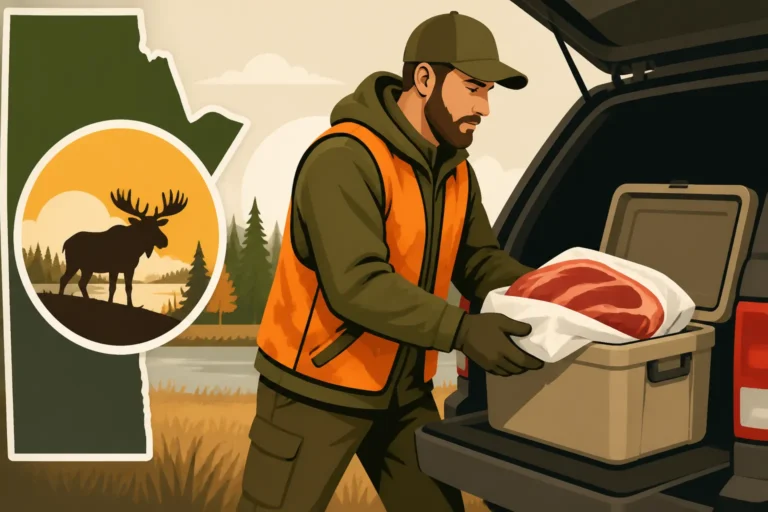
Once processed, the packaging and storage of your game are crucial for both preservation and successful border crossing. For meat, vacuum sealing is the gold standard. It protects the meat from freezer burn, prevents leaks, and makes inspection easier. Clearly label each package with the species (e.g., "Manitoba Whitetail Deer") and the date of harvest.
Transporting frozen meat requires excellent insulation. High-quality coolers packed with dry ice or ample frozen gel packs will keep your meat solidly frozen for the journey. A common mistake is using regular ice, which melts and can make a mess or even compromise the meat if it thaws. Ensure your coolers are sealed tightly and placed in a part of your vehicle where they won't shift or get damaged. If you're traveling a long distance, planning an overnight stop might require access to a freezer.
For antlers, especially large racks, they should be securely packaged to prevent damage. Wrapping them in blankets or specialized antler bags can protect the points. If bringing a cape for taxidermy, ensure it is either frozen solid in a thick plastic bag or completely salted and dried, then rolled up and placed in a breathable bag to prevent mold. Again, clearly label everything. Imagine the border agent having to rummage through unlabeled bags – clear labeling simplifies their job and speeds up yours. GoHunt often features articles on gear lists, and investing in high-quality coolers and vacuum sealers should definitely be on that list.
Taxidermy and Brokerage Options
If the thought of deboning a moose or meticulously cleaning a skull plate fills you with dread, or if you simply want a professional job done, consider using a Manitoba taxidermist or a customs broker. Many experienced Manitoba Taxidermists and Trophy Shipping services are well-versed in the specific requirements for shipping trophies across the border. They can handle the preparation of capes, skull plates, and antlers to meet both Canadian export and U.S. import regulations, often providing all the necessary documentation. This takes a huge burden off your shoulders.
For larger shipments or for those who prefer not to deal with the intricacies themselves, a customs broker can be an invaluable asset. They specialize in navigating international trade regulations and can handle all the paperwork, declarations, and logistics for getting your trophy or meat across the border legally. While this service comes at an additional cost, it can provide immense peace of mind, especially for valuable trophies or significant amounts of meat. They understand the nuances of things like Taking a Trophy Across the Border and can often foresee potential issues before they arise. This can be particularly useful for non-residents, as understanding What Non-Residents Get Wrong About Manitoba often revolves around these logistical and regulatory details.
By preparing diligently, from the moment of harvest to the final packaging, you can ensure your Manitoba hunting success transitions smoothly to your home across the border.
Disclaimer
The information provided in this guide is for general informational purposes only and does not constitute legal advice. Hunting regulations and import/export laws can change frequently. It is the responsibility of the hunter to verify all current regulations with the appropriate Canadian and U.S. federal, provincial, and state authorities (such as the CFIA, USDA APHIS, USFWS, and CBP) prior to hunting and attempting to cross the international border. Failure to do so may result in penalties, confiscation, or other legal consequences.