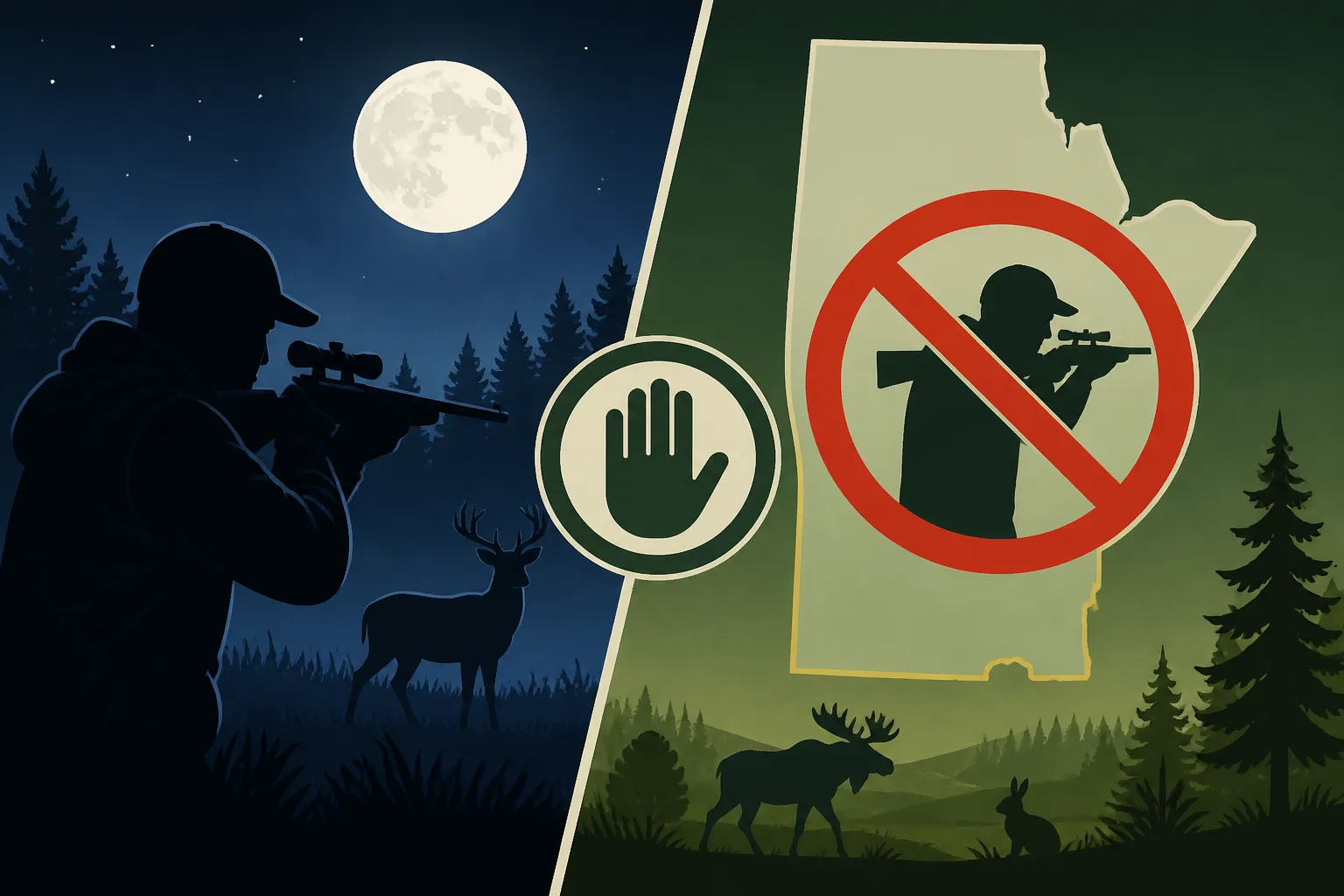
Why Night Hunting Was Restricted Here
It can be incredibly frustrating, bewildering even, when you look at Manitoba's hunting regulations and see the strict limitations on night hunting. Many hunters, especially those new to the province or perhaps used to different rules elsewhere, find themselves scratching their heads, wondering why such tight restrictions are in place. This guide is here to unravel the history, the rationale, and the current reality of night hunting prohibitions in Manitoba, helping you understand the "why" behind the rules.
The Historical Context of Night Hunting in Manitoba
For many years, the concept of "night hunting" wasn't as clearly defined or strictly regulated for all hunters as it is today. But the landscape of hunting, public safety, and wildlife management evolved, leading to significant changes.
Traditional Practices and Early Regulations
Historically, hunting after dark was, for some, a recognized practice. For Indigenous communities, harvesting game at night with artificial light was a traditional method, deeply rooted in their culture and subsistence practices. For non-Indigenous hunters, while perhaps less common and often viewed with skepticism, the regulations around it weren't always as black and white. There wasn't a blanket prohibition across the board for all licensed hunters in the distant past, leading to a somewhat grey area where some activities might occur, particularly in less populated regions. However, even then, the general ethos of ethical hunting emphasized positive target identification, which naturally made night hunting fraught with challenges.
Growing Concerns and Incidents
As Manitoba's population grew and hunting pressure increased, so did the potential for conflict and serious incidents. Reports of illegal activities, often involving the use of spotlights at night to "freeze" deer or other game (a practice commonly known as "spotlighting"), became more frequent. This wasn't just about poaching; it was also about public safety. Stories circulated of bullets travelling into farmyards, livestock being mistaken for game, and properties being damaged. The anonymity of darkness, combined with the power of modern firearms, created a dangerous cocktail. These incidents, whether intentional acts of poaching or tragic accidents, highlighted a growing need for clearer, more restrictive regulations to protect both wildlife and the public. The frustration and fear among rural landowners were palpable, and their voices contributed significantly to the eventual push for change.
Public Safety and Ethical Hunting Concerns
The primary drivers behind Manitoba's night hunting restrictions are deeply rooted in public safety and the fundamental principles of ethical, responsible hunting.
The Dangers of Low-Light Conditions
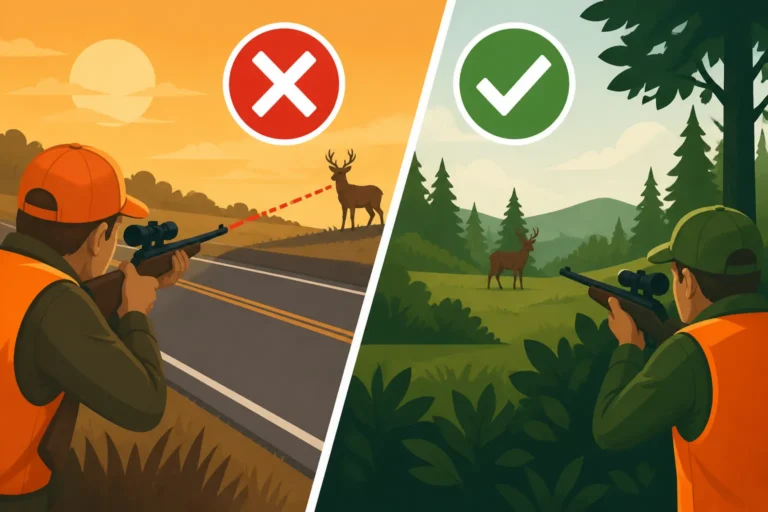
Hunting, by its very nature, demands extreme caution and responsibility. When you introduce darkness or even just very low-light conditions, those demands escalate dramatically. One of the most critical rules in hunting is "be sure of your target and what is beyond it." This becomes almost impossible to guarantee when relying on artificial light sources, which create tunnels of visibility, obscuring backgrounds and potential hazards. It's incredibly difficult to ascertain if that movement in the distance is truly a legal game animal, or if it's someone's cattle, a shed, or even another person. The risk of misidentification is just too high. We've all been in situations where shadows play tricks on the eyes, even in daylight, so imagine that multiplied tenfold in the pitch black. The potential for a hunter to accidentally shoot a domestic animal, cause property damage, or, tragically, injure another human being, becomes a very real and unacceptable risk. The light from a vehicle's headlights or a spotlight can illuminate an animal, but it rarely provides a comprehensive view of the surrounding area, making it an incredibly dangerous practice for everyone in the vicinity.
Impact on Wildlife Management and Poaching
Beyond direct human safety, night hunting, particularly through spotlighting, poses a significant threat to sustainable wildlife management and fosters an environment ripe for poaching. Animals like deer, when caught in a bright beam of light, often freeze, becoming easy targets. This gives an unfair and unsporting advantage to the hunter, undermining the challenge and ethical pursuit that defines responsible hunting. More critically, it facilitates poaching, allowing individuals to take game outside of legal seasons, bag limits, or without proper licenses. When you can't see the individual taking the shot, or even identify the vehicle involved, enforcement becomes incredibly difficult. This kind of indiscriminate harvesting can quickly decimate local game populations, disrupting ecological balance and frustrating the efforts of countless legitimate hunters and conservationists who follow the rules. The long-term health of our wildlife resources depends on adherence to fair chase principles, and night hunting directly contradicts these values.
Legislative Changes and the Safe Hunting and Shared Management Act
The culmination of these concerns led to significant legislative action in Manitoba, redefining night hunting for licensed hunters.
The Journey to Restriction
For years, calls for stricter rules around night hunting had been growing louder. Rural communities and agricultural producers were particularly vocal about the dangers and damage caused by illegal night hunting activities. Conservation groups also emphasized the negative impact on wildlife populations and the erosion of ethical hunting standards. This increasing pressure eventually prompted the provincial government to review its hunting regulations.
The most significant legislative change came with The Safe Hunting and Shared Management Act, also known as Bill 16, which came into effect in 2020. This act was a pivotal moment, introducing a clear and comprehensive prohibition on night hunting for most licensed hunters. It wasn't a snap decision but rather the result of extensive consultations and a recognition that the existing framework wasn't adequately addressing the multifaceted issues at hand. The intention was to enhance safety, reduce poaching, and ensure responsible wildlife management across the province. This new framework fundamentally changed when and where you could hunt, making it crucial for every hunter to understand Manitoba's Night Hunting Rules. When planning your hunt, always double-check the latest regulations, and reliable platforms like GoHunt can be invaluable for cross-referencing information against official government sources.
What the Restrictions Actually Mean
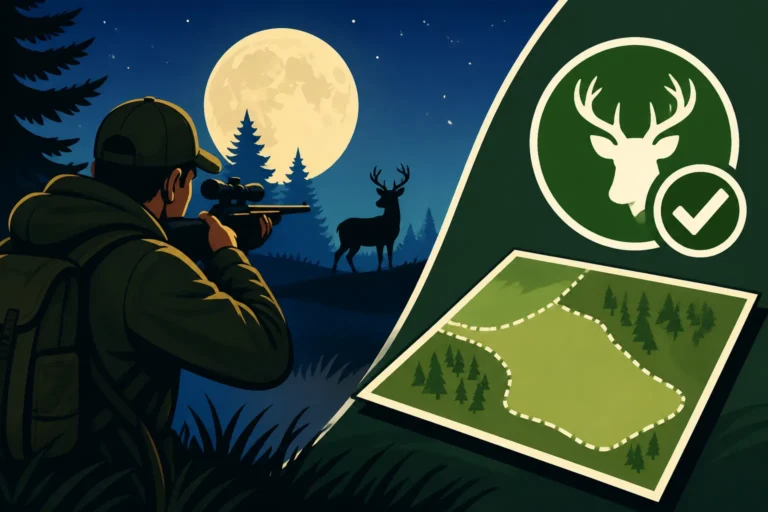
Under The Safe Hunting and Shared Management Act, night hunting, generally defined as hunting between one half-hour after sunset and one half-hour before sunrise, is broadly prohibited for licensed hunters in Manitoba. This means that if you hold a general hunting license, you are expected to conduct your hunting activities strictly within daylight hours.
However, it's important to understand that there are specific, carefully defined exceptions:
- Indigenous Hunting Rights: The Act explicitly recognizes and respects the constitutionally protected right of Indigenous peoples to hunt at night for sustenance purposes. This is a critical distinction and a core component of the "shared management" aspect of the legislation.
- Special Permits: In very limited circumstances, the province may issue special permits for specific types of night hunting, typically for nuisance wildlife control or research purposes, under highly controlled conditions. These are not general hunting permits and are rarely issued to the public.
- Specific Land Designations: There are also designations for "Approved Crown Land for Night Hunting" or "Approved Private Land for Night Hunting" which may be granted under strict conditions and for specific purposes, usually in conjunction with Indigenous communities or for agricultural protection under permit. These are not open for general licensed hunting.
Violating these restrictions carries serious penalties, including substantial fines, seizure of equipment (including firearms and vehicles), and potential loss of hunting privileges. It's not just a slap on the wrist; it's a clear message about the province's commitment to safety and conservation. If you're unsure about any aspect, consulting the official Manitoba Hunting Guide or utilizing tools like GoHunt to verify information about legal hunting times and areas is absolutely essential.
Community Engagement and Future Outlook
The introduction of Bill 16 wasn't without its complexities, particularly concerning the balancing of general public safety with constitutionally protected Indigenous rights. The "Shared Management" aspect of the Act aims to foster greater collaboration between the province and Indigenous communities in wildlife management, including addressing night hunting practices in a way that respects diverse perspectives and rights. This means ongoing dialogue and efforts to build understanding and find common ground.
The provincial government continues to engage with various stakeholders, including Indigenous leadership, landowners, and hunting organizations, to refine and adapt regulations as needed. The focus remains on promoting safe, ethical, and sustainable hunting for all Manitobans while addressing the challenges of wildlife management in a complex landscape. This ongoing engagement is crucial to ensure that future policies are informed by both scientific data and the lived experiences of those directly impacted.
Adapting to the New Reality: Safe and Ethical Hunting Practices
With the night hunting restrictions firmly in place, hunters in Manitoba have adapted to focusing their efforts during legal shooting hours, embracing new strategies to remain successful and uphold ethical standards.
Focusing on Daylight Opportunities
The restriction on night hunting simply means that all your focus, planning, and execution must occur within the legal shooting light. This isn't a limitation; it's an opportunity to hone your skills in other areas. Instead of relying on artificial light after dark, concentrate on understanding game movement during the day. This means dedicating more time to scouting a Manitoba Game Hunting Area to understand bedding areas, feeding patterns, and travel corridors. Learning to read whitetail sign in Manitoba Aspen or identifying deer movement along a Manitoba Bush Edge becomes paramount.
Successful hunters now emphasize early morning and late evening hunts, maximizing their time during the legal periods. This might involve getting into your stand well before legal light, or staying until the very last minute of legal shooting time. Understanding the nuances of when big game animals move most actively during daylight hours – often at dawn and dusk, but also throughout the day during the rut – is critical. For instance, knowing how to approach a stand quietly in the dark to be ready for first light is a skill that becomes incredibly valuable. Tools that assist in mapping and understanding terrain, like GoHunt's satellite imagery overlays, can help you identify strategic spots to focus your daylight efforts.
The Importance of Education and Compliance
Ultimately, the responsibility falls on every hunter to understand and comply with Manitoba's hunting regulations. The Manitoba Hunter Education Requirements ensure that new hunters are taught these rules from the outset, but it's crucial for seasoned hunters to stay updated too. Regulations can and do change, and ignorance is never an excuse.
Here are a few key takeaways:
- Know Your Shooting Hours: Always confirm the legal shooting hours for the specific time of year and your Game Hunting Area (GHA). These are generally defined as one-half hour before sunrise to one-half hour after sunset.
- Consult Official Sources: Your primary source for regulations should always be the official Manitoba Hunting Guide, published annually by the province.
- Utilize Modern Tools: While official guides are paramount, digital tools can complement your research. Platforms like GoHunt can help you visually confirm GHA boundaries and overlay critical information, making it easier to plan a compliant hunt.
- Report Violations: If you witness illegal night hunting or any other poaching activity, it's your ethical duty to Report a Poacher in Manitoba. The integrity of our hunting heritage depends on everyone's commitment to following the rules.
By embracing these principles and adapting to the current regulatory framework, hunters can continue to enjoy safe, ethical, and successful experiences in Manitoba's wild landscapes.
| Activity/Practice | Generally Permitted for Licensed Hunters | Generally Prohibited for Licensed Hunters | Special Circumstances/Exceptions |
|---|---|---|---|
| Daylight Hunting | Yes | No | N/A |
| Hunting during Twilight | Yes (1/2 hour before sunrise to 1/2 hour after sunset) | No (outside these hours) | See below |
| Hunting at Night | No | Yes (between 1/2 hour after sunset and 1/2 hour before sunrise) | Indigenous hunting rights, specific permits (e.g., nuisance animal control), approved Crown/private land designations |
| Spotlighting | No | Yes | N/A |
| Using Artificial Light to Locate Game at Night | No | Yes | N/A |
Disclaimer
The information provided in this guide is for general informational purposes only and does not constitute legal advice. Hunting regulations are subject to change, and it is the responsibility of every hunter to consult the official Manitoba Hunting Guide and relevant provincial legislation to ensure full compliance. Always verify current regulations before participating in any hunting activities.