Manitoba’s Game Hunting Areas
Venturing into Manitoba's vast wilderness with a hunting licence in hand can be an exhilarating experience, but for many, the sheer complexity of understanding where you can hunt, what you can hunt, and when you can hunt it feels like trying to solve a cryptic puzzle. Those seemingly random numbers and boundaries on a map aren't just lines; they represent the intricate system of Game Hunting Areas (GHAs) that govern every aspect of your hunt. This guide is dedicated to demystifying Manitoba's GHAs, helping you navigate the regulations, understand the geography, and ultimately, plan a successful and legal hunting adventure.
What Exactly Are Manitoba's Game Hunting Areas (GHAs)?
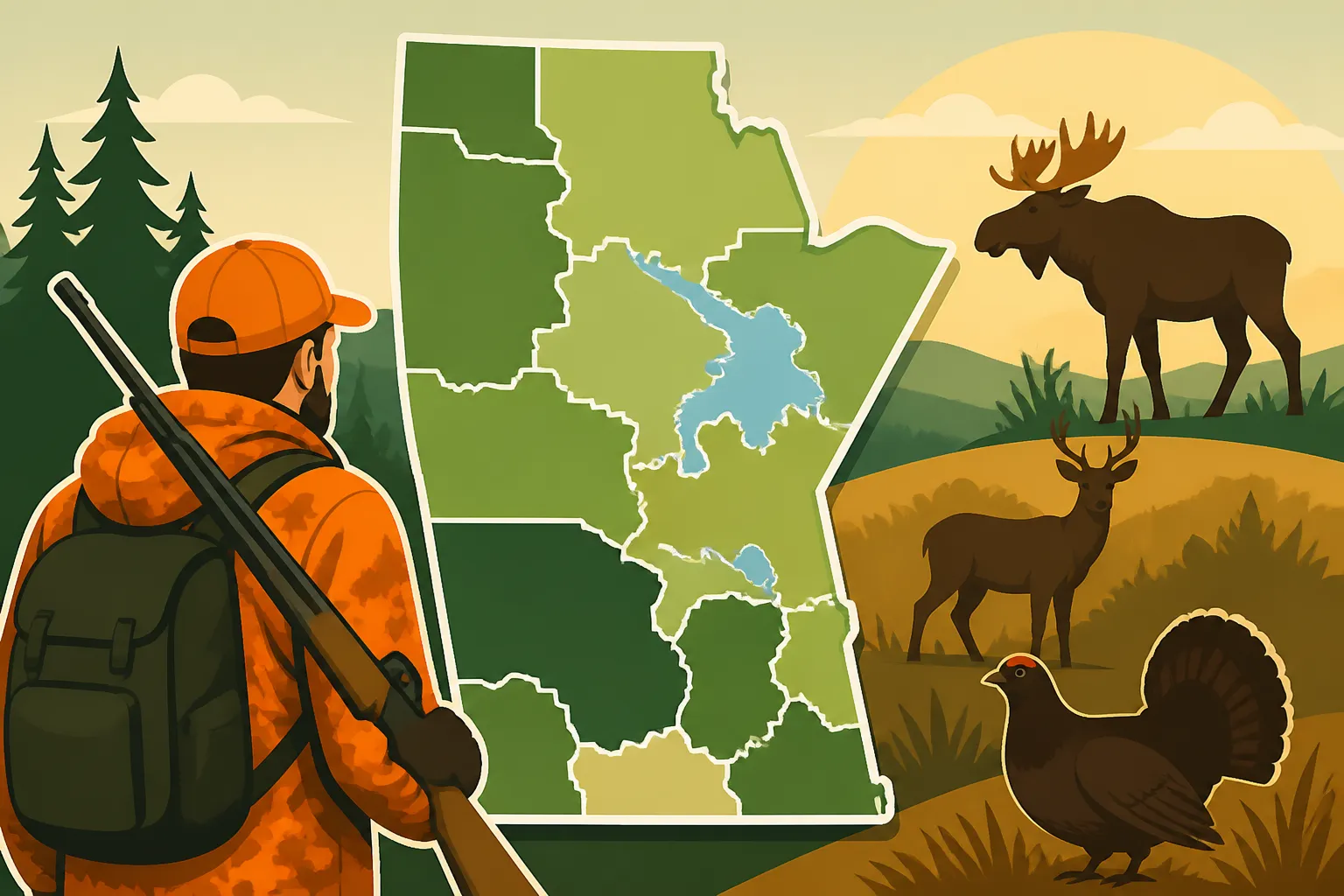
If you've ever looked at a Manitoba hunting map, you've seen the province carved up into a patchwork of numbered zones. These aren't just arbitrary divisions; they are Manitoba's Game Hunting Areas, or GHAs. Think of them as the fundamental building blocks of wildlife management and hunting regulation within the province. Each GHA is a distinct administrative unit, meticulously defined to allow for tailored management strategies that respond to local wildlife populations, habitat conditions, and human pressures. Understanding these GHAs is the first, most crucial step in any hunting plan here.
Defining the Zones: More Than Just Numbers
At its core, a GHA is a geographical area designated by the provincial government for the purpose of managing wildlife and regulating hunting activities. These zones are assigned specific numbers, which you’ll see referenced on your licence and in the annual hunting guide. For instance, you might hold a licence valid for GHA 29 or GHA 13A. These numbers aren't merely labels; they unlock a set of specific rules, season dates, and species allowances that apply only within that particular boundary. It's a precise system designed to ensure sustainable hunting practices across Manitoba's diverse landscapes.
The boundaries of these GHAs often follow easily recognizable features like major highways, rivers, lakes, railway lines, or even township and range lines. This helps hunters identify where one GHA ends and another begins, though in the vastness of Manitoba's bush, it's not always as clear-cut on the ground as it appears on paper. The specific delineation of these areas is critical because stepping even a short distance over a GHA line can mean the difference between a legal harvest and an unintentional violation, especially if the season or species regulations differ between the adjacent zones. This precise zoning allows wildlife managers to apply pressure in areas where populations are robust and ease it in regions where certain species might be struggling. For a more detailed breakdown, you can learn all about how Manitoba GHA numbers work.
Why GHAs Were Established: A Management Tool
The primary reason for establishing GHAs is effective wildlife management. Manitoba is a massive province with incredible ecological diversity, ranging from southern agricultural plains and aspen parkland to vast boreal forests and even a touch of Arctic tundra in the far north. Each of these distinct ecoregions supports different wildlife populations, which in turn face unique challenges and require specific management approaches. A one-size-fits-all regulation across the entire province would simply not work.
By segmenting the province into GHAs, wildlife biologists can monitor game populations more closely within smaller, manageable units. This allows them to adjust hunting pressure by setting specific season dates, bag limits, and even weapon restrictions for individual GHAs or clusters of GHAs. For example, a GHA experiencing a decline in moose numbers might see a season closure or reduced tags, while a neighboring GHA with a healthy, growing deer herd might have an extended season or allow for a second deer licence. This granular approach is vital for ensuring the long-term health and sustainability of Manitoba's wildlife resources, balancing conservation with recreational hunting opportunities. It's a dynamic system that changes year to year based on data, surveys, and observed trends.
How Manitoba GHAs Differ from Other Jurisdictions
While many North American jurisdictions use some form of management units or hunting zones, Manitoba's GHA system has its own nuances. One key aspect is the detailed level of regulation tied directly to each GHA. It's not uncommon to find highly specific rules for a single GHA that don't apply anywhere else in the province, sometimes even down to the type of firearm allowed or specific dates for archery versus rifle seasons. This level of detail can be daunting for newcomers or those accustomed to broader regional regulations.
Another distinguishing factor is how specific draw opportunities and conservation initiatives are tied to GHAs. For instance, all big game draws for species like moose and elk are GHA-specific. You aren't just applying for a moose tag; you're applying for a moose tag in a particular GHA. This emphasizes the importance of understanding the characteristics of each GHA, including its access, terrain, and population dynamics, long before you even consider applying for a draw. Unlike some areas where tags might be more generally available for a larger zone, Manitoba's GHA system requires a more focused approach to planning and research, making tools like GoHunt invaluable for pinpointing regulations and boundaries.
Navigating the GHA Map and Boundaries
Once you grasp the concept of GHAs, the next challenge is actually finding them, understanding their boundaries, and ensuring you’re hunting legally within your chosen zone. This isn't always as simple as it sounds, especially when dealing with vast stretches of wilderness or subtle topographical changes.
Deciphering Official GHA Maps and Digital Tools
The provincial government publishes official Manitoba GHA maps annually, usually found within the hunting regulations guide or available as standalone digital downloads. These maps are your primary source of truth. They typically show the GHA numbers, their boundaries, and often mark key features like provincial parks, wildlife management areas, and major roads. However, static 2D maps, while essential, can sometimes be difficult to interpret when you're actually on the ground. Features like small creeks, old logging roads, or subtle changes in elevation that form a boundary might not be obvious.
This is where modern digital mapping tools truly shine. Apps like GoHunt, for example, often overlay GHA boundaries directly onto topographical maps, satellite imagery, and even private land ownership layers. This allows you to pinpoint your exact location in relation to GHA lines in real-time, using your smartphone or GPS device. When you're standing in dense bush and unsure if you've crossed into the next zone, pulling up a digital map can save you a lot of headache and potential legal trouble. These tools can also help you identify areas of public Crown land within a GHA, which is critical for planning a hunt where access might otherwise be limited to private land. Having the ability to accurately view GHA lines on a digital platform is a game-changer for many hunters in Manitoba.
Understanding Boundary Markers and Physical Features
While digital maps provide an excellent overview, it's equally important to understand how GHA boundaries are marked or defined on the ground. As mentioned, many GHA boundaries follow natural features such as rivers, lakes, and watersheds, or man-made features like highways, grid roads, power lines, and railway tracks. When these are obvious and clearly delineated, it's relatively straightforward. You know that if you cross Highway 10, you might be moving from GHA 18 to GHA 18A.
However, many boundaries, especially in the more remote or heavily treed GHAs, might follow less obvious lines such as survey lines, section lines, or the height of land (a subtle ridge marking a drainage divide). In these scenarios, without a reliable GPS unit displaying GHA layers, it can be incredibly challenging to know exactly where you are. Hunters often use compasses and paper maps in conjunction with GPS to confirm their location. It's not uncommon to encounter old survey markers, cut lines, or even small signs in certain areas indicating a GHA boundary. Always take the time to study your chosen GHA's specific boundary descriptions in the regulations guide and compare them against your maps. Don't assume a faint trail or a small creek always marks the boundary, as they might just be internal features.
The Challenges of Border Areas and Adjacent GHAs
Hunting near a GHA border presents unique challenges. Imagine you're hunting deer in GHA 20, where the rifle season is open, but just across a small creek or an unmarked section line lies GHA 20A, where the season might be closed or restricted to archery-only. An animal might cross that boundary in an instant, and you need to be acutely aware of your position at all times. This is why thorough scouting and knowing your maps intimately are so important.
Furthermore, regulations can vary significantly even between adjacent GHAs. One GHA might require a draw for a particular species, while the next might have over-the-counter tags. You might also find differences in regulations for hunting the rut in early to mid November. This means you can't just generalize rules from one area to another, even if they're right next door. Hunters often use these border areas strategically, as game animals frequently move between different habitat types found on either side of a boundary. However, this strategy demands an even higher level of attention to detail regarding regulations and your precise location. It’s a good practice to always err on the side of caution and ensure you are well within the boundaries of the GHA for which your licence is valid, especially when pursuing wounded game that might cross a line.
Understanding GHA Regulations and Why They Vary
The core of hunting in Manitoba revolves around understanding that regulations are not universal across the province. Instead, they are finely tuned to each GHA, reflecting the specific ecological and management needs of that particular zone. This nuanced approach helps sustain populations and provides varied opportunities for hunters.
Season Dates and Bag Limits: A GHA-Specific Approach
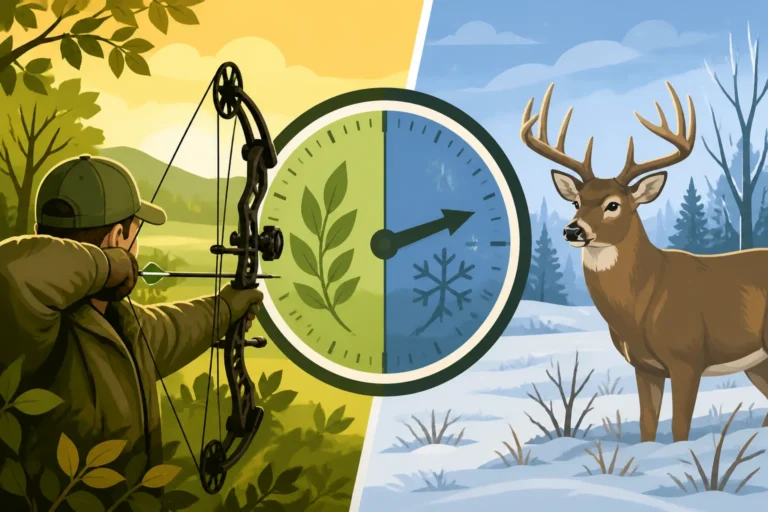
One of the most significant ways GHAs dictate your hunt is through variable season dates and bag limits. You might find that the archery season opens on a certain date in the southern GHAs but is different in the more northern ones. Similarly, rifle seasons, muzzleloader seasons, and even youth hunting dates can differ dramatically from one GHA to another. For example, some GHAs might have extended deer seasons in late December, allowing additional opportunities for hunters, while others might close much earlier.
Bag limits are also GHA-specific. While many GHAs allow for one deer, some specific zones, particularly those with higher deer populations or management goals to reduce herd numbers, might offer opportunities for filling a second deer licence in Manitoba. These varying regulations are directly tied to population assessments by wildlife biologists. If a GHA's deer population is robust and healthy, more generous bag limits or longer seasons might be implemented. Conversely, if a GHA has experienced a tough winter, a disease outbreak, or habitat loss affecting game numbers, seasons might be shortened or bag limits reduced to aid recovery. Always double-check the current year's hunting guide for your specific GHA, as these dates can and do change annually.
Weapon Restrictions and Species-Specific Rules by GHA
Beyond just season dates, GHAs can also come with specific weapon restrictions. While most of Manitoba allows for general rifle hunting, certain GHAs or portions thereof might be designated "archery-only" or "shotgun/muzzleloader only" for safety reasons, often near denser population centers or agricultural areas. These restrictions are crucial to respect, as violating them can lead to significant penalties. It's not just about the type of weapon either; there can be specific rules regarding legal rifle calibres for big game or bow draw weight rules in Manitoba that apply across the board, but how and where these weapons can be deployed is often GHA-dependent.
Furthermore, some GHAs might have specific rules for hunting certain species. For instance, some areas might have restrictions on baiting black bear in Manitoba, while it's permitted in others. Or perhaps there are specific regulations around hunting coyotes in Manitoba farm country that differ from the rules in more remote boreal GHAs. These localized rules are often put in place to address specific concerns like human-wildlife conflict, public safety, or unique conservation needs. Always ensure your chosen GHA allows for your preferred hunting method and target species without additional restrictions.
Special Draws and Conservation Closures
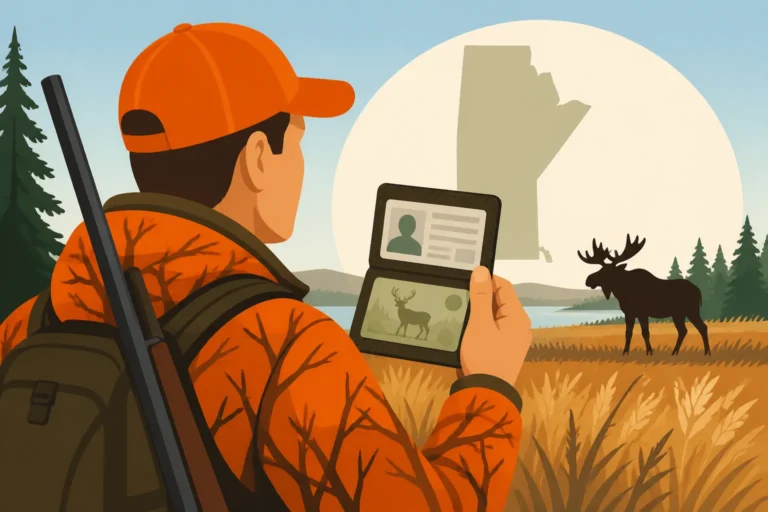
Another critical aspect of GHA regulations is their role in Manitoba's big game draw system. Species like moose and elk often require hunters to apply for a limited number of tags through a lottery system, and these applications are always GHA-specific. You can't just apply for a general provincial moose tag; you must select the GHA you wish to hunt. Manitoba's Elk and Moose Draws are highly competitive in certain GHAs, and understanding which GHAs are hardest to draw can influence your application strategy.
Beyond draws, some GHAs are subject to conservation closures. These are areas where hunting for certain species is either entirely prohibited or severely restricted to allow populations to recover or to manage specific conservation challenges. A prime example is Manitoba's Moose Conservation Closures in areas where moose populations have seen significant declines. These closures are typically long-term measures and are strictly enforced. Understanding these restricted GHAs is paramount to avoid accidental violations and to contribute to the province's broader conservation efforts. It's a system designed to protect vulnerable populations while continuing to offer hunting opportunities where game numbers are healthy.
Key Hunting Regions and Their Associated GHAs
Manitoba's diverse geography offers vastly different hunting experiences depending on which region and GHA you choose. From rolling parkland to dense boreal forest, each area presents unique challenges, opportunities, and target species.
The Parkland Region: Whitetail Hotspots and Elk Country
The Parkland Region, stretching across areas like the Duck Mountain, Porcupine Hills, and Riding Mountain fringes, is often considered a hunter's paradise, especially for deer and elk. GHAs in this region, such as those encompassing the Duck Mountain Country or the areas surrounding Riding Mountain National Park, are renowned for their robust white-tailed deer populations, including some of Manitoba's top typical whitetails. The mix of aspen bluffs, agricultural fields, and dense forest edges provides ideal habitat, concentrating deer and making them accessible. Hunters here often focus on strategies like hunting a Manitoba bush edge or rattling and calling Parkland whitetails during the rut.
Beyond whitetails, this region is also home to Manitoba's significant elk herds. GHAs around the Duck Mountains and the Porcupine Provincial Forest are prime areas for elk hunting, often requiring a draw tag. Hunters pursue elk in Manitoba's Parkland through bugling elk in Manitoba's Parkland during the early fall or by glassing open areas near forest fringes. The varied terrain and abundant food sources make these GHAs incredibly productive, but also mean hunters need to be prepared for diverse conditions, from open fields to thick timber. It's a region that demands both keen scouting and the ability to adapt to changing conditions.
The Interlake and Eastern Shield: Moose, Bear, and Waterfowl Diversity
Moving east, the Interlake region, nestled between Lake Winnipeg and Lake Manitoba, offers a different hunting experience. GHAs in this area are characterized by vast expanses of marsh, willow, and aspen parkland, making it a hotspot for waterfowl hunting. Hunters flock here for field hunting geese in Manitoba stubble or marsh hunting ducks in the Interlake, taking advantage of the region's position on a major flyway. The abundance of water and grain fields creates perfect staging and feeding grounds for migratory birds.
Further east, into the Canadian Shield, GHAs like those in the Whiteshell and Nopiming Country reveal a rugged landscape of rock, forest, and countless lakes. This is prime black bear hunting territory, with outfitters often baiting black bear in Manitoba during the spring and fall seasons. These GHAs also hold healthy moose populations, though access can be more challenging, often requiring boats or extensive hiking. For those pursuing bigger game, strategies like calling moose in Manitoba's boreal forest can be effective. The Shield country offers a true wilderness experience, demanding self-reliance and preparedness for remote conditions. This diverse region truly highlights how Manitoba's GHAs cater to a wide array of hunting preferences, from small game to big game and waterfowl.
Northern Boreal and Tundra Transition: Remote Adventures
Manitoba's northern GHAs represent the province's wild frontier. Stretching into the vast boreal forest and even touching the edge of the tundra transition zone, these areas offer truly remote and challenging hunts. GHAs around The Pas and Cormorant, for instance, are known for their healthy moose populations, where hunters often focus on hunting moose on a Manitoba cutline or near beaver ponds. Access here frequently involves ATVs, boats, or even float planes for remote camps. The sheer scale of the landscape means animals have vast areas to roam, and finding them often requires extensive scouting and tracking skills.
Further north, into the Barren-Ground Caribou hunting in Northern Manitoba territory, GHAs become even more isolated. These are often fly-in hunts, offering opportunities for barren-ground caribou and sometimes wolf. Hunters typically glass tundra for Manitoba caribou during their migration. The environment here is unforgiving, demanding specialized gear and an experienced approach. Understanding these northern GHAs means preparing for extreme weather, minimal infrastructure, and a true wilderness expedition. They are not for the faint of heart, but for those seeking an unparalleled adventure, these remote GHAs offer some of Manitoba's most memorable hunting experiences.
Special Considerations for Different GHAs
Beyond general regulations, some GHAs come with specific conditions or requirements that hunters need to be keenly aware of. These are often implemented to address unique local challenges, conservation efforts, or public safety concerns.
Private Land Versus Crown Land Within GHAs
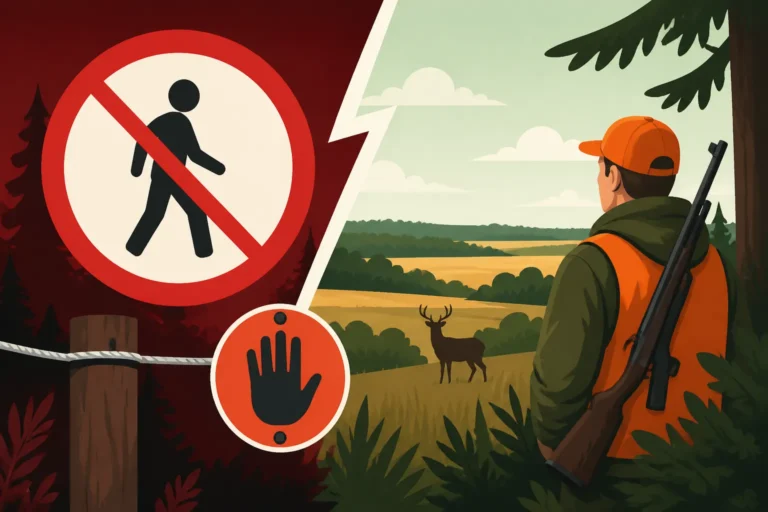
A critical distinction within any GHA is the ownership of the land itself. Manitoba has a mix of private land, often found in the southern agricultural belt and settled areas, and vast tracts of Crown land (public land), which become more prevalent as you move north and east. Many GHAs encompass a mosaic of both. If you're hunting on private land, regardless of the GHA, you must obtain permission from the landowner before stepping foot on their property. This is not just courteous; it's legally required, and violating Manitoba trespass law can lead to serious penalties. Websites like GoHunt and certain provincial government layers can often help identify property boundaries, but direct communication with landowners is always the best approach.
On Crown land, access is generally open to hunters, though there might be specific rules regarding vehicle use (e.g., quad and side-by-side rules on Crown land), camping, or the placement of stands. Understanding which Manitoba GHAs hold the most Crown land can significantly influence your hunting strategy, especially if you prefer to hunt without seeking private permission. For example, GHAs in provincial forests like Duck Mountain or Sandilands are primarily Crown land, offering extensive public access. However, even on Crown land, hunters must be mindful of municipal bylaws, buffer zones around dwellings, and other local restrictions that can apply within a GHA. Always confirm land ownership and local access rules before planning your hunt, especially when scouting a Manitoba Game Hunting Area.
CWD Mandatory Sampling Zones and Requirements
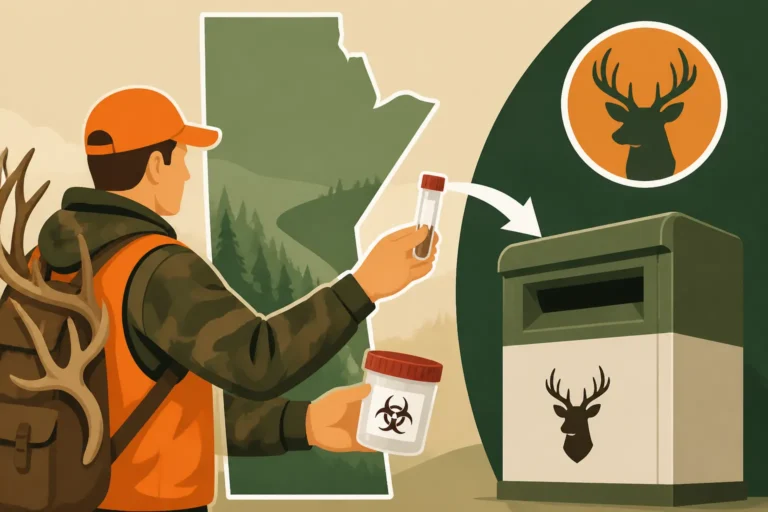
Chronic Wasting Disease (CWD) is a serious concern for Manitoba's deer, moose, and elk populations. To monitor and control its spread, specific GHAs have been designated as CWD mandatory sampling zones. If you harvest a deer, moose, or elk in one of these GHAs, you are legally required to submit a tissue sample from the animal for CWD testing. These requirements are usually detailed in the annual hunting guide and typically list which Manitoba GHAs require CWD sampling. Failing to submit a sample within the stipulated timeframe can result in fines.
The process usually involves bringing the head of the harvested animal (or a specific lymph node sample if you're comfortable extracting it yourself) to designated drop-off locations, often at provincial parks offices or specific hunter check stations. It's crucial to understand how long you have to submit a sample and where to drop a CWD sample in Manitoba. These zones are constantly reviewed and can change based on new detections of the disease. Therefore, before heading out, it's vital to check if your target GHA is a CWD mandatory sampling zone and to be prepared to comply with the requirements, as it plays a critical role in mitigating the impact of this disease on Manitoba's wildlife.
Night Hunting Permits and Designated Areas
Night hunting in Manitoba has specific restrictions, primarily aimed at public safety and minimizing human-wildlife conflict. Historically, night hunting was broadly restricted, but changes have been implemented to allow it under very controlled circumstances. Currently, night hunting for big game or game birds is generally prohibited, with some exceptions for Indigenous hunters exercising treaty rights. However, for non-Indigenous hunters, a night hunting permit may be available for specific species like coyotes or wolves, but only on approved Crown land for night hunting and with strict conditions.
These night hunting permits are typically GHA-specific and require hunters to apply for and adhere to very stringent rules regarding locations, equipment, and species. The province has designated specific areas, often within certain GHAs in the agricultural zone, where night hunting for predators is permitted under a permit to help manage populations and reduce livestock depredation. It's crucial to consult the most current regulations regarding applying for a Manitoba night hunting permit and to understand what night hunting actually allows here. Attempting to hunt at night outside of these specific permits and designated GHAs is illegal and carries severe consequences, underscoring the importance of understanding these highly localized GHA rules.
Planning Your Hunt Around Manitoba's GHAs
Successful hunting in Manitoba isn't just about knowing how to shoot; it's fundamentally about strategic planning centered around the GHA system. A well-researched and executed plan, factoring in the specifics of your chosen GHA, dramatically increases your chances of success and a legal, enjoyable hunt.
Researching Your Target GHA Before You Go
Before you even pack your truck or buy your licence, extensive research into your target GHA is paramount. This means more than just glancing at a map. Start by identifying the species you want to hunt and then cross-reference with the GHAs known to have healthy populations of that animal. For example, if you're after a trophy whitetail, you'd want to research Best Manitoba Ground for Whitetails and look at GHAs in the Parkland region like those surrounding the Duck Mountain. Understand the terrain, the ratio of Crown land to private land, and the general access points.
Dive into the specific regulations for that GHA in the current year's hunting guide. What are the exact season dates for your preferred weapon? What are the bag limits? Are there any special draw requirements or CWD sampling zones you need to be aware of? Online resources, forums, and even talking to local hunters or conservation officers can provide invaluable insights into a GHA's specific nuances, such as hunting pressure, typical animal behaviour, and local conditions. Tools like GoHunt can provide a comprehensive overview of regulations, property lines, and topographical features for specific GHAs, saving you countless hours of cross-referencing.
Scouting and Accessing Your Chosen GHA
Once you've narrowed down your GHA, the real work begins: scouting. This involves both digital and boots-on-the-ground reconnaissance. Begin with satellite imagery and topographical maps, identifying potential bedding areas, food sources, water, and travel corridors. Look for natural funnels, pinch points, and cover that animals might use. Pay close attention to features that form GHA boundaries, ensuring you understand where you can and cannot hunt. Scouting with satellite imagery in Manitoba has become an indispensable first step for many hunters.
Accessing your GHA is another critical consideration. Is it reachable by truck, or will you need a quad or even a boat? Many northern GHAs require significant travel, and knowing when gravel roads drift shut or where Manitoba cell coverage ends is vital for safety and logistics. If you're hunting private land within a GHA, you'll need to secure permission by knocking on doors in Manitoba farm country well in advance. For Crown land, identify staging areas and legal parking spots. Knowing how far to walk from a township road or how to navigate an old logging road in the north can make or break your hunt. Effective scouting should not only locate game sign but also identify the safest and most efficient ways to get in and out of your hunting area while respecting all GHA boundaries.
Adapting to GHA-Specific Conditions and Challenges
Manitoba's GHAs can present dramatically different hunting conditions, even those adjacent to each other. A GHA in the open prairie might require long-range shooting skills and strategies for hunting a pasture with cattle on it, whereas a GHA in the dense bush requires closer-range tactics and the ability to track game through thick cover. Weather can also vary significantly; one GHA might have deep snow, dictating strategies like hunting a Manitoba GHA in deep snow, while another might be experiencing a dry fall.
You need to be prepared to adapt your gear and techniques to the specific environment of your GHA. Are you hunting a frozen slough crossing in the Interlake, or a shield country rock ridge in the east? Each demands a different approach. The presence of specific predators, the type of forage available, and even the prevalent wind patterns can all influence how animals behave in a given GHA. By researching, scouting, and staying flexible, you can better adjust to the unique conditions and challenges presented by your chosen GHA, ultimately increasing your chances of success and ensuring a rewarding hunting experience.
Common Mistakes and How to Avoid Them in GHAs
Even experienced hunters can make mistakes when navigating the complexities of Game Hunting Areas. Understanding these common pitfalls and actively working to avoid them can save you a lot of frustration, and more importantly, keep you on the right side of the law.
Misinterpreting Boundary Lines and Regulations
One of the most frequent and potentially serious errors is misinterpreting GHA boundary lines. It's easy to assume a fence line or a small, unnamed creek marks a boundary when it actually doesn't. This mistake can lead to hunting in a closed area, during the wrong season, or for a species not permitted in that specific GHA. Imagine hunting a bluff between two fields, thinking you're in GHA 21, only to realize the actual boundary is the hidden drainage ditch 100 yards further east, placing you in GHA 21A where the season is closed. The consequences of such an error can range from a hefty fine to the loss of your hunting privileges and equipment.
To avoid this, always use multiple resources to confirm boundaries. Rely on official maps, cross-reference with digital mapping apps like GoHunt, and, if possible, scout the boundary lines in person before the season opens. Pay meticulous attention to the GHA descriptions in the annual regulations guide, as they often detail precise geographic coordinates or specific landmarks that define each zone. When in doubt, always assume you are near a boundary and double-check your position. It's far better to be overly cautious than to accidentally violate a regulation due to an honest mistake about a boundary line.
Underestimating Pressure and Overlooking Access Points
Another common mistake is underestimating hunting pressure within popular GHAs, especially during peak seasons like the whitetail rut. Many hunters flock to well-known GHAs or easily accessible Crown land areas, leading to crowded conditions and potentially spooked game. This is particularly true during opening weekend crowds on Manitoba public land. What looks like a promising hunting spot on a map might turn out to be crawling with other hunters on the ground.
To counter this, don't just focus on the obvious access points. Use your mapping tools to identify less obvious routes, such as hunting along an old trapline cut or finding ground others drive past. Sometimes, walking an extra mile or finding a unique parking spot can put you into less pressured areas within the same GHA. Consider hunting mid-week if possible, or during less popular times of the season. Researching which Manitoba GHAs see least pressure can give you a significant advantage. Additionally, always have a backup plan. If your primary spot in GHA 26 is overrun, have a secondary location in the same or an adjacent GHA ready to go, complete with mapped access points and confirmed regulations.
Failing to Plan for Logistics Unique to Your GHA
Manitoba's GHAs are incredibly diverse, and the logistical challenges can vary wildly. Failing to plan for these GHA-specific logistics can turn a promising hunt into a frustrating, or even dangerous, experience. For example, hunting a northern boreal block means you might face a completely different set of challenges than hunting the Pembina Valley slopes. Forgetting proper gear for severe cold when hunting whitetails at thirty below in a late-season GHA, or not bringing appropriate bug protection for a spring bear hunt in a swampy GHA, are common oversights.
Consider the terrain: are you prepared to quarter a moose alone in the bush of a remote GHA, or do you have a plan for getting a deer out on a frozen trail in a more accessible one? What about food, water, and emergency supplies, especially in GHAs with no cell service? Even simple things like carrying your licence in the field and having proof of your GHA selection are often overlooked. A thorough winter truck kit for a Manitoba hunt is crucial for late-season hunts in many GHAs. Think through every step of your hunt within the context of your specific GHA, from initial entry to game recovery and transportation, and pack accordingly. Being prepared for the unique demands of your chosen GHA is key to a safe and successful outing.
Future Changes and Staying Informed
Manitoba's hunting regulations, including GHA boundaries and rules, are not static. They are dynamic tools, constantly reviewed and updated by wildlife managers to ensure sustainable resource management and adapt to changing environmental conditions and wildlife populations. Staying informed about these changes is an ongoing responsibility for every hunter.
Annual Regulation Updates and Their Impact
Every year, the provincial government releases an updated version of the Manitoba Hunting Guide. This document is your most important resource for staying current. It details all changes to GHA boundaries, season dates, bag limits, draw requirements, and any new or modified regulations. Never assume that the rules from last year are the same for this year; always consult the latest guide. Changes can be minor, like a slight adjustment to a season opener in one GHA, or significant, such as a new CWD mandatory sampling zone or even the closure of an entire GHA for a specific species due to conservation concerns. You can usually find where Manitoba rules changed this year highlighted in the guide.
These updates directly impact your hunting plans. For instance, a GHA that was once a hot spot for an over-the-counter tag might now require a draw, or a new extended season might open up opportunities you didn't have before. The changes reflect ongoing biological assessments, public input, and shifts in wildlife populations. Being proactive about reading the annual guide and understanding the implications for your preferred GHAs is essential for legal and effective hunting.
How Conservation Efforts Shape GHA Management
Manitoba's GHA system is a direct reflection of its conservation efforts. Wildlife management is a continuous process that balances human use with the health of animal populations and their habitats. When certain species struggle, like moose populations in specific areas, the province might implement closures, as seen with Manitoba's Moose Conservation Closures, or restrict tags in relevant GHAs. Conversely, successful conservation programs might lead to expanded opportunities in other GHAs where populations are thriving.
The collection of CWD samples, for example, is a direct conservation measure to track and combat disease spread, and the requirements are often GHA-specific. Understanding the "why" behind these regulations — that they are rooted in science and designed for the long-term health of the resource — can help hunters appreciate their importance. As environmental factors like habitat change, climate shifts, or disease prevalence evolve, so too will GHA management strategies. Hunters are key stakeholders in these efforts, and their compliance with GHA-specific rules directly contributes to conservation success.
Resources for Staying Up-to-Date on GHA Information
Beyond the annual hunting guide, there are several key resources to help you stay informed about Manitoba's GHAs. The provincial government's official hunting website is an excellent source for the latest regulations, GHA maps, draw results, and news releases regarding wildlife management. Many hunters also find value in using digital mapping applications like GoHunt, which often integrate real-time or frequently updated GHA boundary information and regulations, making it easier to visualize changes on the landscape.
Joining local hunting clubs or conservation organizations, such as a Manitoba Wildlife Federation branch, can also keep you connected to ongoing discussions and potential upcoming changes. These groups often have direct lines of communication with wildlife managers and can share valuable insights. Finally, don't hesitate to reach out to local conservation officers or park staff if you have specific questions about a GHA; they are an invaluable source of accurate, up-to-date information. Continuous engagement with these resources ensures you're always operating with the most current knowledge, allowing you to plan successful, legal, and responsible hunts year after year in Manitoba's incredible Game Hunting Areas.
Disclaimer
The information provided in this article is for general guidance only and is based on publicly available information at the time of writing. Hunting regulations in Manitoba can change annually or even within a season. It is the hunter's sole responsibility to consult the official Manitoba Hunting Guide and other relevant provincial resources for the most current and accurate regulations before participating in any hunting activity. Failure to do so may result in legal penalties.