Hunting a Grain Bin Yard at Dusk
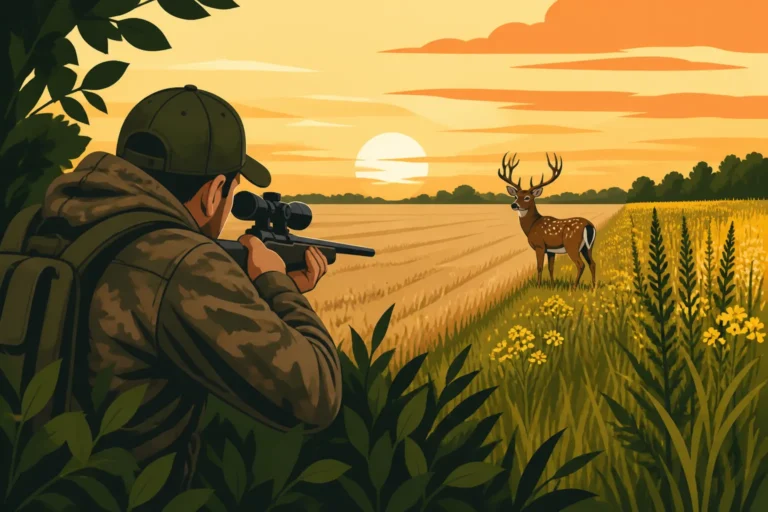
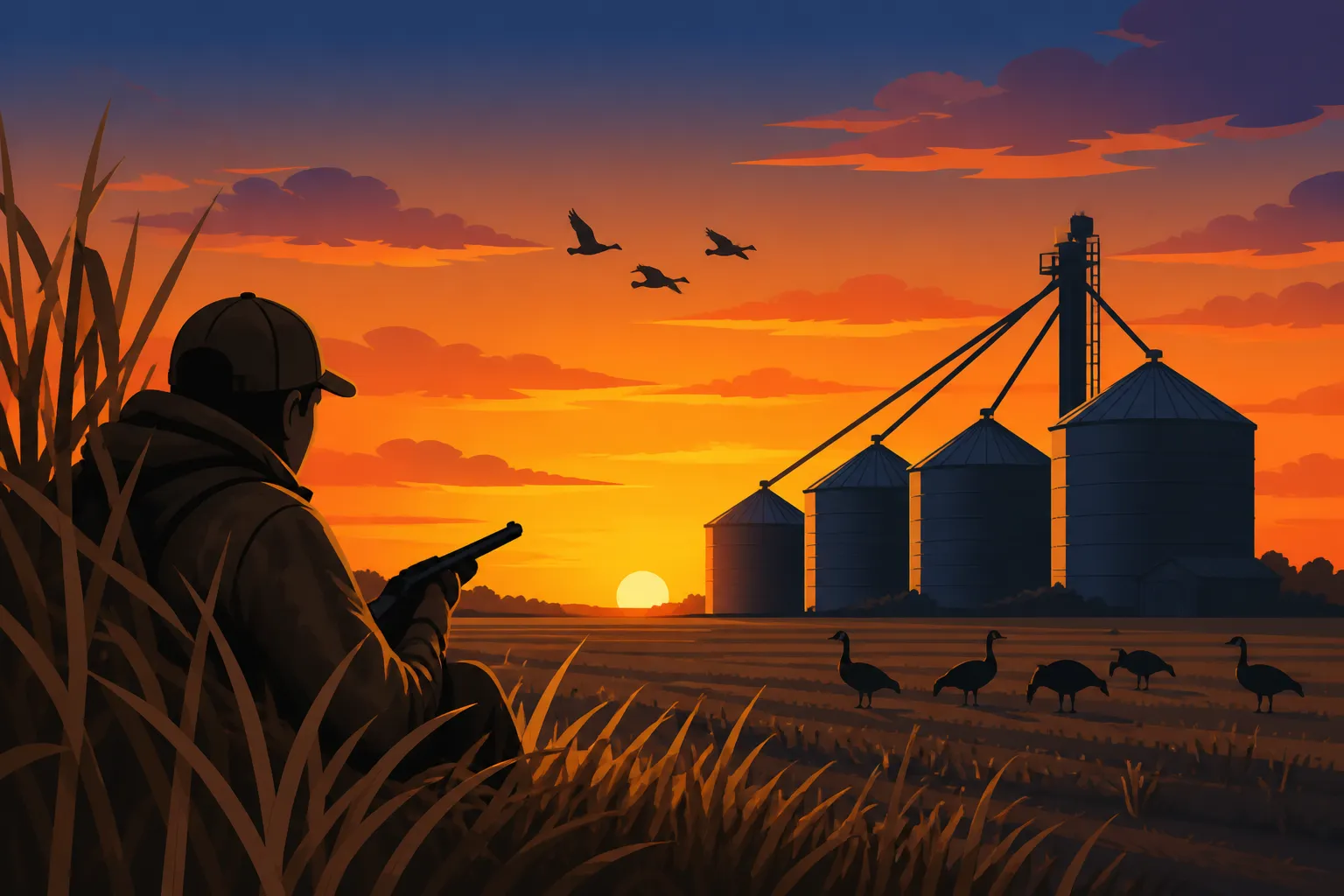
There’s a common misconception among hunters that farmyards, especially areas around grain bins, are off-limits or simply too close to human activity to hold deer. It’s understandable; we’re taught to seek out untouched wilderness, far from human scent and sound. But here in Manitoba, where agriculture blankets so much of our landscape, ignoring these pockets can mean missing out on some incredible opportunities. This guide is all about peeling back the layers on hunting a grain bin yard at dusk, showing you how to scout, set up, and ethically pursue whitetails that are drawn to these unexpected hot spots.
Understanding Why Deer Visit Grain Bin Yards at Dusk
It might seem counterintuitive, right? Deer are typically wary creatures, especially big, mature bucks. So why would they risk venturing so close to a farmstead, with its inevitable human activity, barking dogs, and machinery sounds? The answer, as it often is with whitetails, comes down to food and cover, especially when conditions are right.
The Allure of Spilled Grain and Residual Food Sources
Think about it from a deer’s perspective. Throughout the fall and early winter, farmers are busy harvesting, moving grain, and filling those massive bins. No matter how meticulous a farmer is, there’s always a little spillage. A few kernels of corn here, some scattered wheat or barley there, maybe even some sunflower seeds or canola. To us, it might just look like a messy patch around the bin. To a whitetail, it’s a high-energy jackpot, a concentrated source of calories that requires minimal effort to find.
This becomes especially true as the season progresses. Once the surrounding fields are picked clean or covered in snow, these leftover morsels around grain bins become incredibly attractive. It's like a free buffet line when other restaurants have closed. Deer are opportunistic feeders, and they’ll quickly learn that these areas offer a reliable, if sometimes small, food source. They might not spend hours gorging, but they will certainly swing through to pick up what they can, especially as night falls and their confidence grows.
Cover and Travel Corridors Near Farm Infrastructure
Grain bin yards rarely exist in a vacuum. They’re often situated at the edge of a shelterbelt, a bluffy treeline, a small woodlot, or even a deep coulee. These natural features serve as vital cover and travel corridors that deer use to approach the grain bins undetected. They can hold up in the thick stuff throughout the day, feeling relatively secure, and then, as the shadows lengthen and the farmers head inside, they’ll slip out.
These adjacent cover areas are just as important as the spilled grain itself. A big buck isn't just going to prance across an open field in broad daylight to get to a few kernels. He’ll use every available fold in the land, every tree line, every brushy ditch to make his approach. Understanding how these cover elements connect to the grain bin yard is paramount. It gives you insight into their likely entry and exit points, helping you predict movement and plan your setup. Identifying these pathways is a critical first step in Scouting a Manitoba Game Hunting Area.
Scouting and Planning Your Approach to a Grain Bin Yard
Now that we understand why deer show up, the next step is figuring out how to intercept them. This isn't your typical deep-woods scouting. Hunting near human activity requires a more delicate touch, a deeper respect for private property, and a keen eye for subtle signs.
Identifying Active Yards and Obtaining Permission
The absolute first, non-negotiable step is always obtaining permission. You simply cannot hunt a grain bin yard, or any private land in Manitoba, without it. This isn't just a legal requirement; it's a fundamental ethical one. Start by identifying potential farms. Drive slowly down rural roads at dawn or dusk and keep an eye out for deer activity around farmsteads. Look for fresh tracks in the snow or mud near bin sites, or even better, observe deer actively feeding.
Once you’ve identified a promising spot, approach the landowner. This is where your communication skills come into play. Be polite, introduce yourself, and clearly state your intentions. Explain that you’ve noticed deer frequenting their grain bins and would be grateful for the opportunity to hunt. Many farmers appreciate hunters who are respectful and can help manage deer populations that might be causing crop damage. Tools like the GoHunt app or similar land ownership mapping resources can be incredibly helpful here, allowing you to identify landowners and ensure you’re speaking to the correct party. This process is very similar to Asking a Manitoba Landowner for Permission or even Getting Permission for a Goose Field. Be transparent about your plan and listen to any concerns they might have about safety or disturbing livestock.
Analyzing Entry/Exit Routes and Wind Patterns
Once you have permission, the real detective work begins. During the middle of the day, when deer are likely bedded down, walk the perimeter of the grain bin yard and the adjacent cover. Look for well-used trails leading in and out of the area. Deer will typically have a few preferred routes, especially if they’re coming from a secure bedding area towards the grain. These trails will be more pronounced the more often deer use them. Look for fresh tracks, droppings, and rubbed saplings if it's during the rut.
Understanding the prevailing wind direction is always important, but it becomes absolutely critical when hunting near buildings. Buildings and large structures like grain bins can cause wind to swirl, creating unpredictable currents that can carry your scent in unexpected directions. Use a small powder bottle or a milkweed stem to test the wind often. You'll need to approach your stand or blind completely undetected, which means staying downwind of where you expect deer to approach from. Your entry and exit routes should also be chosen to minimize disturbance. You don’t want to spook deer coming in or going out, as this will quickly educate them and make them wary of the area. Think about how a deer might utilize a feature like Hunting a Bluff Between Two Fields for cover and how you can mirror that approach.
Setting Up for Success: Blinds, Stands, and Wind Direction
With your scouting done and permission secured, it's time to choose your setup. The unique environment of a grain bin yard means you'll need to adapt traditional hunting strategies.
Strategic Placement of Ground Blinds or Treestands
Given the nature of farmyards, ground blinds are often the most practical and least intrusive option. They offer concealment, break up your silhouette, and allow for some movement without being detected. Look for natural cover features like a brush pile, a thick clump of weeds, or a large bale of hay (with farmer permission, of course) where you can tuck a blind in. The key is to position it just inside the deer’s suspected travel corridor, but far enough from the bins themselves to allow for a safe shot, ensuring no buildings or livestock are in your line of fire.
If suitable trees are available along a shelterbelt or bush edge near the grain bins, a treestand can also be a fantastic option. Getting up higher can help with scent dispersion and gives you a better vantage point over potential obstacles like machinery or smaller outbuildings. When selecting a tree, consider its relation to the prevailing wind and the deer’s approach path. A stand well-placed on a Hunting a Manitoba Bush Edge can offer an ideal ambush point. Aim for a spot where you can intercept deer as they leave the more secure cover and before they fully commit to the open area around the bins. This gives you a shot at a less wary animal and often provides a better background for safety.
Here’s a quick comparison to help you decide:
| Feature | Ground Blind (Pop-up or Natural) | Treestand (Hang-on, Climber, Ladder) |
|---|---|---|
| Concealment | Excellent. Allows movement, provides warmth. | Good. Elevates hunter, helps with scent. |
| Setup Time | Quick for pop-up; longer for natural blind. | Can be time-consuming; requires suitable tree. |
| Visibility | Limited window, eye-level perspective. | Wide view, elevated perspective. |
| Scent Control | Good, but scent can still funnel from openings. | Better, as scent dissipates more effectively. |
| Safety | Excellent, on solid ground. | Requires harness, ladder/climbing safety. |
| Adaptability | Easily moved, good for varied terrain. | Fixed position; tree availability is key. |
| Interference | Less intrusive to farm operations. | Tree attachment might need landowner approval. |
Managing Scent and Noise in Close Proximity
In any hunting scenario, scent control is important. But when you’re hunting literally yards from a human dwelling and active farm operations, it moves from important to absolutely critical. Deer are already somewhat accustomed to some human scent and sounds around a farm, but they differentiate between a farmer going about their daily chores and a predator trying to ambush them. Your goal is to blend in as much as possible, minimizing anything that screams "hunter."
This means a rigorous scent control regimen: showering with scent-free soap, using scent-eliminating sprays on your clothes, and storing your hunting gear in scent-free containers. It’s also wise to avoid wearing clothes that have picked up strong household odors. Furthermore, noise discipline is paramount. Every creak of a stand, every rustle of clothing, every misplaced footstep will be amplified in this relatively open environment. Move slowly, deliberately, and quietly. Avoid unnecessary chatter if you’re hunting with a partner. Even if the farm dogs bark, or a tractor hums in the distance, human-generated sounds will stand out to deer that are already on high alert, waiting for dusk to offer them a moment of peace.
Ethical Considerations and Safety When Hunting Near Farmsteads
Hunting near grain bin yards isn’t just about tactics; it’s about responsibility. You’re often in close proximity to people, homes, and livestock, so maintaining a high level of safety and ethical conduct is paramount. This isn't the bush where you might not see another human for days.
Prioritizing Safety and Respect for Property
Safety is always the number one priority. Before you even think about raising your rifle or drawing your bow, you must know what is beyond your target. Are there homes, barns, livestock, or roads in your potential shot trajectory? The answer is almost always yes in a farmyard setting. This means planning your shot carefully, ensuring you have a safe backstop that will absorb your bullet or arrow. Elevated positions in a treestand can sometimes offer a safer downward trajectory, but even then, vigilance is key. Never take a shot if there’s any doubt about where your projectile will end up. This is a crucial aspect of Hunting Safely in Deep Winter Cold or any hunting scenario, for that matter.
Respect for the landowner’s property extends beyond just getting permission. It means leaving gates as you found them, not driving over planted fields (even if they’re harvested), and never littering. If you notice any damage or issues, bring them to the farmer's attention. Building a positive relationship ensures you, and other hunters, may have opportunities in the future. Remember, you are a guest, and your actions reflect on all hunters.
Understanding Local Regulations and Communication
Manitoba has specific regulations regarding hunting near dwellings and occupied buildings. Generally, discharging a firearm is prohibited within a certain distance of such structures without the owner's permission. Always confirm the exact regulations for your specific Game Hunting Area (GHA) with the current Manitoba Hunting Guide. This is vital to ensure you're in full compliance. While this article focuses on dusk hunting, it's a good reminder to be aware of regulations regarding Manitoba's Night Hunting Rules if ever considering after-dark activities, though they are highly restricted.
Maintaining open lines of communication with the landowner is crucial throughout your hunt. Let them know when you plan to be there and when you're leaving. If you harvest an animal, inform them promptly. They might appreciate knowing, especially if they have concerns about deer numbers. Furthermore, if you see anything out of the ordinary—trespassers, suspicious activity, or even an injured animal that isn't yours—it’s good practice to inform the landowner. This collaborative approach not only ensures a safer hunt but also strengthens the bond between hunters and landowners, which is essential for preserving hunting access across Manitoba's farmlands. Understanding What Manitoba Trespass Law Requires and respecting those boundaries is the foundation of any successful hunting relationship.
By focusing on these often-overlooked areas, understanding deer behavior, and applying ethical, safe hunting practices, you can unlock some truly unique and rewarding hunting experiences right in Manitoba's grain bin yards. Remember, the biggest bucks aren't always in the deepest wilderness; sometimes they're right under our noses, looking for an easy meal as the sun dips below the horizon.
Disclaimer
The information provided in this guide is for informational purposes only and is not a substitute for professional advice. Always consult the official Manitoba Hunting Guide and relevant provincial regulations before engaging in any hunting activities. Hunting involves inherent risks, and safety should always be your top priority.