Shipping Meat Home From Manitoba
You've just had an incredible hunt in Manitoba, maybe a trophy whitetail or a prime black bear, and now the hard work of field dressing is done. But a new challenge often sets in: how on earth do you get all that beautiful, hard-earned meat home, especially if "home" is a province or even a country away? It's a logistical puzzle that can quickly turn excitement into anxiety, and this guide is here to help you navigate the often-confusing world of shipping your game meat from Manitoba, ensuring your freezer is stocked with those wild memories.
Understanding the Rules and Regulations for Game Meat Transport
One of the first hurdles, and often the most intimidating, is making sure you're legally allowed to transport your game meat. This isn't just about getting it from the field to your vehicle; it’s about crossing provincial and potentially international borders. Ignoring these regulations can lead to serious headaches, confiscation of your hard-won meat, and even fines. You've put in the effort, so let's make sure the journey home is as compliant as it is successful.
Provincial and Federal Requirements
Within Manitoba, transporting game meat is relatively straightforward, provided you've properly validated your tag and kept the necessary evidence of sex, depending on the species and GHA. Generally, the meat must remain identifiable as game meat, and you must possess your valid hunting licence and tag. However, the moment you plan to cross into another province or, more significantly, into the United States, federal and international regulations come into play. Canada has specific rules about the movement of animal products, and other jurisdictions have their own as well. For instance, some areas might have restrictions due to concerns like Chronic Wasting Disease (CWD), requiring you to debone certain parts of the animal before transport or submit samples for testing. Always check the regulations of your destination province or state, as well as federal import/export rules, well in advance of your trip. Don't assume that what's fine in Manitoba is fine everywhere else. It's truly a case where a little homework saves a lot of heartache. The process of Transporting Game Meat in Manitoba itself has specific nuances that are good to review.
Cross-Border Considerations and CWD Sampling
If you're a non-resident hunter heading back to the United States, the process becomes more complex, but it's entirely manageable with proper planning. You'll need to declare all game meat to border officials. The U.S. Customs and Border Protection (CBP) and the U.S. Fish and Wildlife Service (USFWS) have specific requirements, particularly concerning certain species and CWD. Generally, deboned meat is preferred, and in some cases, skull plates and antlers must be free of brain matter. Always have your hunting licence, tag, and any provincial export permits ready for inspection. Some states may have stricter rules than others, so checking your home state's import regulations is paramount. Manitoba also has areas with mandatory CWD sampling, and if your animal was harvested in one of these zones, understanding Manitoba's CWD Sampling Requirements is crucial for ensuring your meat can be legally moved. Getting that sample submitted and understanding the results is a critical step before packing it up for a long journey.
Preparing Your Meat for Shipment: The Essentials
Once you've got the regulations sorted, the next crucial step is ensuring your meat is properly prepared. This isn't just about hygiene; it’s about preservation. Game meat, especially from a large animal like a moose or a big whitetail, is a significant investment of time, effort, and resources. You want it to arrive home in prime condition, ready for the dinner table. Proper preparation makes all the difference in maintaining quality and preventing spoilage during transit, particularly when dealing with varying temperatures and handling by shipping companies.
Proper Butchering and Packaging
The quality of your meat starts with how it's handled in the field and subsequently butchered. Ideally, your game should be quartered and cooled quickly, especially if you're hunting in warmer early-season conditions. Then, professional processing is often the best route for non-resident hunters or those without extensive butchering experience. A good butcher in Manitoba will know how to properly cut, trim, and package your meat for freezing and transport. They'll likely vacuum seal cuts, which is highly recommended for long-term storage and helps prevent freezer burn, a real enemy when shipping. If you're doing it yourself, ensure all meat is clean, bone-free, and wrapped tightly to prevent air exposure. Having your meat deboned is not only often a requirement for cross-border travel but also significantly reduces weight and volume, making shipping more economical. Getting Meat Processed in Manitoba is a key step many hunters utilize to simplify this process.
Freezing and Cooler Selection
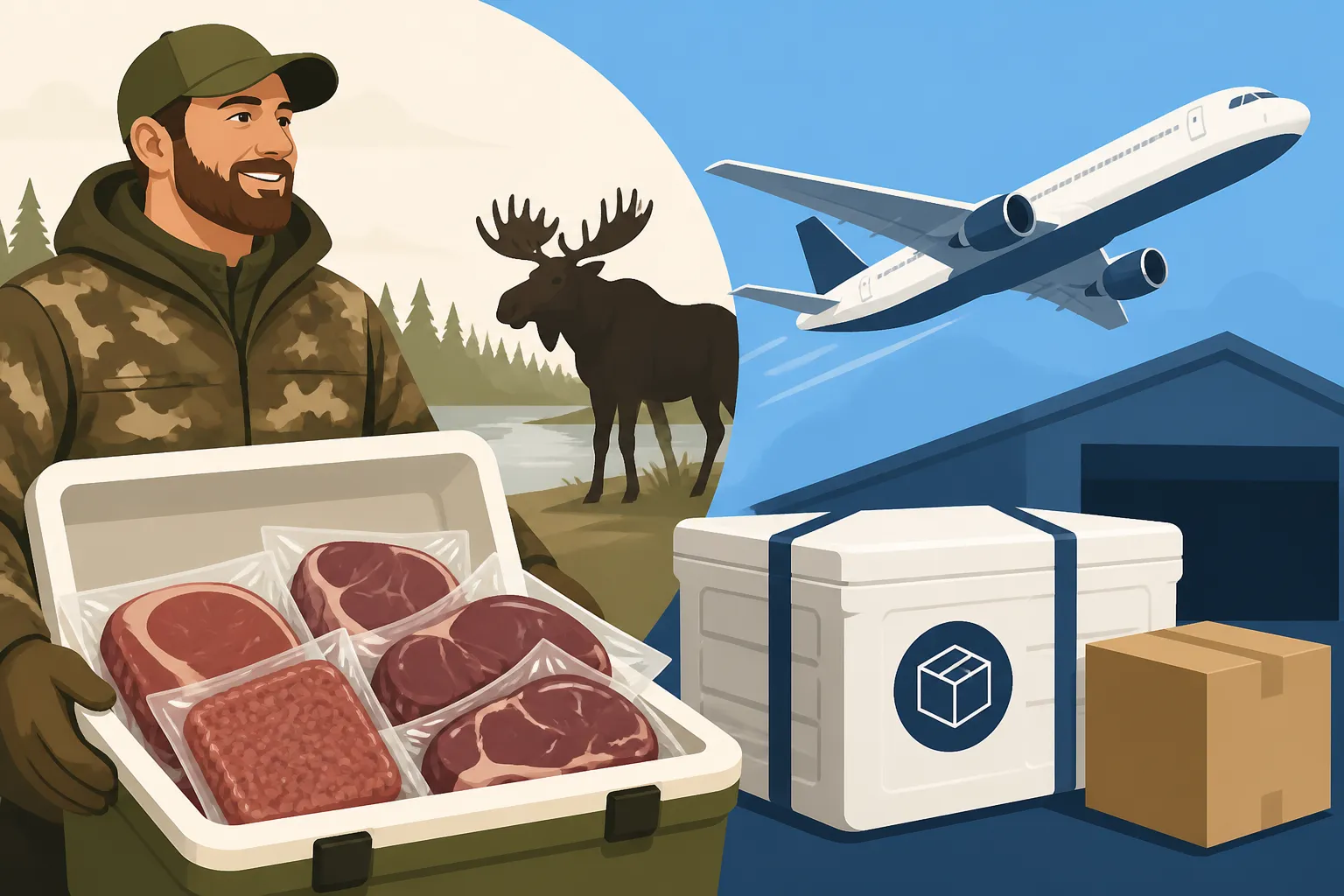
For any substantial journey, your meat absolutely needs to be frozen solid. Not just chilled, but frozen hard. This usually means leaving it in a commercial freezer for several days. Once frozen, it needs to stay that way. This is where your choice of cooler becomes vital. High-quality, roto-molded coolers, often referred to as "5-day" or "7-day" coolers, are practically a necessity. They offer superior insulation compared to cheap foam coolers, which simply won't cut it for long-distance transport, especially if there are any delays. Pack your frozen meat tightly into these coolers, minimizing air space. Some hunters use dry ice in conjunction with regular ice or just dry ice, particularly for air cargo. If using dry ice, ensure it's handled safely with gloves and adequate ventilation, and be aware that airlines have specific rules about dry ice quantities and packaging. Layering it on top of the meat allows the cold air to sink, keeping everything rock solid. For long trips, consider double-bagging meat if not vacuum-sealed, and always have a way to drain any meltwater, although with solid frozen meat and good coolers, melt should be minimal.
Choosing Your Shipping Method: Ground Versus Air and Logistics
With your meat properly prepared and packed, the next decision is how to get it from Manitoba to your home. This choice usually boils down to a trade-off between cost, speed, and convenience. Each method has its own set of logistical challenges and benefits, so it's important to weigh them against your specific situation, the amount of meat you have, and your budget.
Driving Yourself Home
For many hunters, especially those driving to Manitoba from nearby provinces or states, taking the meat home in their own vehicle is the most common and often the most economical option. This gives you direct control over the precious cargo. You'll need those high-quality coolers packed to the brim with solidly frozen meat. Consider bringing enough coolers to hold all your meat, or research local options for buying more if you're unexpectedly successful. Depending on the length of your drive, you might need to replenish ice or dry ice along the way. Planning your route to include stops where you can pick up additional ice is a smart move. Keep your coolers out of direct sunlight in your vehicle, perhaps even covering them with a blanket to add another layer of insulation. While you're in charge, this method can also add significant stress to an already long drive, as you're constantly monitoring the temperature. Don't forget that Taking Meat and Antlers Across the Border will still require proper declaration even if you're driving it yourself.
Air Cargo Services
For hunters flying into Manitoba or those with very long distances to cover, air cargo is often the only viable option. This method involves shipping your frozen meat as freight on a commercial airline. It's generally the fastest way to get your meat home, which significantly reduces the risk of spoilage. However, it can also be the most expensive and requires careful adherence to airline regulations. Each airline will have specific rules regarding the type of cooler, weight limits, and the amount of dry ice allowed (if any). You'll typically need to drop off your coolers at the airline's cargo facility, not the passenger terminal. It's absolutely crucial to check with your chosen airline well in advance about their specific game meat shipping policies. Don't wait until the last minute at the airport. You'll want to ensure all documentation is in order and that your meat is labeled clearly with your contact information. Remember, airlines are shipping freight, not just another piece of luggage, so understanding their cargo department's procedures is key.
Specialized Meat and Trophy Shippers
Another option, though often pricier, is to use a specialized meat and trophy shipping service. These companies are experts in handling perishable goods and often have established relationships with airlines or dedicated refrigerated transport lines. They understand all the permits, customs declarations, and packaging requirements for both provincial and international shipping. This can be a fantastic option for high-value trophy hunts or for hunters who simply want to offload the logistical burden. Often, outfitters will have recommendations for such services or even work directly with them. While it might seem like an added cost, the peace of mind knowing your meat is in professional hands can be invaluable, especially after a successful hunt where you're already exhausted. When you're Booking a Manitoba Whitetail Hunt or any other species, it's worth asking your outfitter about their preferred shipping partners.
| Shipping Method | Pros | Cons | Ideal Scenario |
|---|---|---|---|
| Personal Vehicle | Most economical; full control over meat | Longer travel time; constant monitoring required | Shorter distances; comfortable with border procedures |
| Air Cargo Services | Fastest option; lower risk of spoilage | Most expensive; strict airline regulations; extra steps | Long distances; flying home; time-sensitive; specific quantity |
| Specialized Shippers | Handles all logistics; expert knowledge | Often the priciest option; less direct control | High-value hunts; complex regulations; peace of mind sought |
Working with Outfitters and Customs for a Smooth Process
Navigating the intricacies of meat shipping can be daunting, but you don't have to do it alone. Outfitters, especially those catering to non-resident hunters, are often well-versed in the process and can be an invaluable resource. Furthermore, understanding the role of customs and how to interact with them effectively is crucial for a smooth cross-border journey for your game meat.
Outfitter Assistance and Services
Many reputable Manitoba outfitters understand that getting your meat home is a big part of the overall hunting experience, especially for their clients from outside the province. They often offer services or can guide you through the process. This might include recommendations for local meat processors who package for travel, freezer space at their camp to get your meat solid, or even direct assistance with arranging air cargo or specialized shipping. Don't hesitate to ask about these services when you're doing your pre-hunt research on platforms like BookYourHunt or GoHunt. Understanding What a Licensed Manitoba Guide Provides can clarify which services are typically part of a package and which might incur extra costs. Some outfitters might even have pre-arranged relationships with butchers and shippers, streamlining the entire process for their clients. It’s always best to clarify what's included and what's an extra charge beforehand to avoid any surprises. The last thing you want after a successful hunt is to realize you have no way to properly store or ship your harvest. Knowing Manitoba Meat Processing and Cold Storage options is a huge benefit here.
Clearing Customs and Border Declarations
Whether you're driving or flying your meat across the border, engaging with customs and border protection agencies is a non-negotiable step. When traveling from Manitoba into the United States, you must declare all game meat. Have your hunting licence, tag, and any required CWD test results or export permits readily available. Be honest and straightforward with border officials. They are looking to ensure compliance with import regulations and to prevent the spread of diseases. Providing accurate information and having all your paperwork in order will expedite the process significantly. Attempts to conceal game meat or provide false information can lead to severe penalties, including confiscation of your meat, fines, and even a ban from future entry. A little patience and preparedness at the border will go a long way in ensuring your prized Manitoba game meat makes it safely to your kitchen. Taking the time to properly prepare your documents and meat according to guidelines, including how to best transport Manitoba Taxidermists and Trophy Shipping if you have any antlers, will ensure you pass through customs without a hitch. Finally, remember to review Rules for Non-Residents Hunting Manitoba well before your trip, as they often include details pertinent to taking game home.
Disclaimer
This article is for general informational purposes only and does not constitute professional advice. Laws, prices and regulations vary by location and change over time. Consult a qualified professional for guidance on your specific situation.