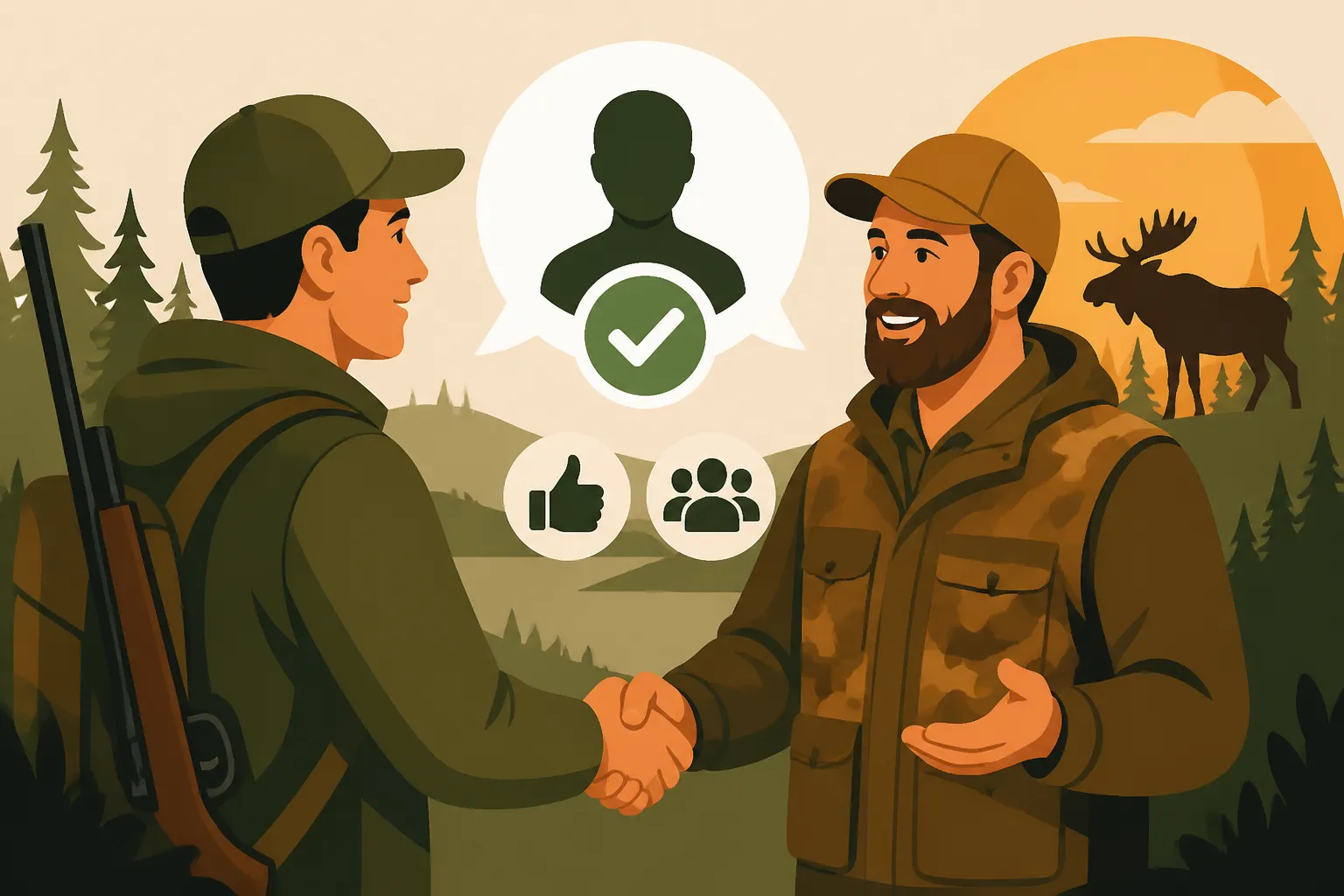
Asking a Manitoba Outfitter for References
Booking a guided hunting trip in Manitoba is a significant investment, both financially and in your valuable time. It's not just about the cost; it's about the anticipation, the planning, and the dream of a successful hunt in some incredible country. One of the most critical steps, and frankly, one that too many hunters skip or rush, is asking a Manitoba outfitter for references. This guide will walk you through why references are so important, what to ask, and how to interpret the feedback to ensure you pick the right outfitter for your next adventure.
Why References Matter So Much
When you're looking at a glossy brochure or a slick website, every outfitter sounds like the best in the business. They all promise big game, comfortable camps, and an unforgettable experience. But the truth, as any seasoned hunter knows, can be a little different once you're on the ground. References aren't just a formality; they're your direct line to the reality of a hunt.
The "Sales Pitch" Versus Reality on the Ground
Every outfitter is going to put their best foot forward when you're initially speaking with them. They're selling an experience, and they want you to book with them. They'll tell you about their amazing success rates, the trophy animals they consistently put hunters on, and the comfortable amenities of their camp. This is all part of their marketing, and it's certainly not always misleading, but it is, by nature, an idealized version of what you can expect.
What they might not emphasize are the long, cold hours in a stand without seeing much, the unexpected equipment breakdown, or the less-than-gourmet camp food if they're running a very remote, no-frills operation. These aren't necessarily deal-breakers, but you want to go into a hunt with realistic expectations, not just the dream scenario. References help bridge that gap, giving you a ground-level perspective.
Getting a Hunter's Honest Perspective
A past client has no vested interest in whether you book with a particular outfitter. Their only goal is to share their genuine experience, good or bad, to help you make an informed decision. These are the folks who have actually sat in the blinds, eaten the camp food, and dealt with the guides. They've faced the challenges and celebrated the successes, often in the same areas and under similar conditions you'll be experiencing.
Their insights can be incredibly valuable, offering details that an outfitter might never think to mention or might downplay. For example, an outfitter might say their guides are "experienced," but a client might tell you exactly how experienced, whether they were personable, and if they truly put in the effort. This unfiltered feedback is gold for any hunter doing their due diligence.
Identifying Potential Red Flags Before You Book
No hunt is perfect, and sometimes things go wrong that are beyond the outfitter's control, like bad weather or an uncooperative deer herd. However, consistent negative feedback across multiple references can signal serious issues. Did clients feel misled about the hunt's difficulty? Were promises made that weren't kept? Did the outfitter fail to deliver on basic logistical needs?
Look for patterns in the responses. One person having a bad experience might be an anomaly, but if several references mention the same problem – say, guides showing up late, or poor communication from the outfitter – then those are very real red flags you need to take seriously. This is your chance to avoid a potentially frustrating or even dangerous situation.
What to Ask When You Call References
Once you have a list of references, don't just call and ask, "How was your trip?" You need to go into these conversations with a structured set of questions that get to the heart of the outfitter's operation. Be polite, thank them for their time, and remember they are doing you a favor.
The Hunt Experience Details
This is where you dive into the specifics of the actual hunting. What species did they hunt, and what was their success (or opportunity) rate? It's crucial to understand that "success" isn't always about pulling the trigger; it's about seeing game and having a fair chance.
Ask about the hunting methods used. If you're Bowhunting Manitoba's Early Season, did they sit stands over scrapes or food plots, or were they spot-and-stalk? Were the hunting areas crowded or did they feel secluded? How much actual hunting time did they get each day? These details give you a clearer picture than just a general description.
Camp Life and Logistics
The hunt is only part of the experience. Where you stay, what you eat, and how the logistics are handled can make or break a trip. Inquire about the accommodations. Were they as described? Were they clean, warm, and comfortable? Did they have running water and electricity if advertised? If you're booking an early season hunt, you might want to know about the bug situation and how the outfitter mitigates it.
Food is another big one. Was it ample and well-prepared? Did the outfitter accommodate any dietary restrictions? What about transportation to and from the hunting areas? Was it reliable, and were the vehicles well-maintained? For remote hunts, ask about communication options like satellite phones, especially important for safety in the Manitoba's Northern Boreal.
Guide Performance and Expectations
Your guide is your direct link to the hunting experience, so their performance is paramount. Ask about their knowledge of the area and the game. Were they proactive in scouting and adapting to changing conditions? Were they enthusiastic and personable, or did they seem disengaged?
It's also important to understand the guide-to-hunter ratio. Was it one-on-one, or were multiple hunters sharing a single guide? This can significantly impact the amount of personalized attention you receive. Find out if the guides were attentive to safety protocols and if they had appropriate gear for the conditions, especially if you're planning a hunt in Manitoba's notorious cold. What about their attitude towards wounded game or difficult retrieves? You want a guide who won't give up.
Post-Hunt Support
The hunt isn't over when the animal is down. The handling of game is critical. Ask about the process for field dressing, packing out, and transporting game. Was it done efficiently and hygienically? Did the outfitter provide proper Manitoba Meat Processing and Cold Storage facilities? If you got a trophy, how was the cape and antlers handled for taxidermy?
Also, ask about the outfitter's communication after the hunt. Did they follow up? Did they assist with any paperwork for crossing borders or CWD sampling requirements? This often overlooked aspect speaks volumes about an outfitter's professionalism and commitment to their clients beyond just the hunting days.
How to Evaluate the Responses
Getting the information is one thing; understanding it and using it to make a decision is another. Not every minor complaint is a deal-breaker, and glowing reviews should also be scrutinized for specifics. It's about finding patterns and trusting your instincts.
Look for Consistency and Specificity
When you talk to multiple references, look for recurring themes. If three out of four people mention the guides were incredibly knowledgeable but the food was just "okay," that gives you a solid picture. Conversely, if one person raves about everything and another has nothing but complaints, you need to dig deeper into the discrepancies.
Vague answers like "it was good" aren't as helpful as specific details. For instance, instead of "the hunting was good," a helpful reference might say, "We saw a great buck on day three, and the guide called it right in from that willow run." Specifics demonstrate genuine experiences and give you more concrete information to weigh. This also applies when looking at online platforms like BookYourHunt or GoHunt, where detailed reviews are more valuable than generic star ratings.
Read Between the Lines and Understand Expectations
Sometimes, what isn't said is as important as what is. Pay attention to enthusiasm – or the lack thereof. A reference who sounds genuinely thrilled about their experience is a good sign. If they sound hesitant or have to think hard to come up with positives, that's a subtle red flag.
Also, consider the expectations of the reference themselves. A hunter looking for a wilderness adventure might not mind rustic accommodations, while someone expecting a luxury lodge might be disappointed. Try to gauge if the reference's expectations align with your own. Some hunters prioritize trophy size above all else, while others value the camaraderie and experience. Understand what drove their satisfaction or dissatisfaction.
Trust Your Gut (and Red Flags)
After speaking with references and gathering all your information, take a step back and reflect. Does the outfitter still feel like a good fit for you? Are there any nagging doubts? Sometimes, a collection of small issues, rather than one big one, can create an uneasy feeling. Don't ignore that feeling.
If there are legitimate red flags, such as consistent complaints about safety, dishonesty, or poor animal care, these should absolutely lead you to reconsider. Remember, there are many reputable outfitters out there, especially when looking for someone to guide you on a Whitetail Hunting in Manitoba or Black Bear Hunting in Manitoba trip. It's better to walk away from a potential problem than to regret it later.
Beyond References: Other Due Diligence
While references are invaluable, they are just one piece of the puzzle when Choosing the Right Manitoba Outfitter. A comprehensive approach to vetting an outfitter will include several other steps to ensure you're making the best decision for your hunt.
Online Reviews and Hunting Forums
In today's digital age, online reviews are prevalent. Websites like BookYourHunt or platforms like GoHunt often feature reviews from past clients. While these can be a good starting point, approach them with a critical eye. Look for detailed accounts rather than just star ratings. Be wary of overly negative or overly positive reviews that lack specifics, as they can sometimes be extreme or even fabricated.
Hunting forums are another great resource. You can often find threads discussing specific outfitters or ask for opinions from fellow hunters who might have direct experience. Just remember that forum discussions can sometimes be opinionated, so cross-reference information whenever possible. These platforms can offer a broader view than just a few references provided by the outfitter themselves.
Outfitter Licensing and Insurance
A legitimate outfitter in Manitoba should be properly licensed and insured. This isn't just a legal requirement; it's a sign of a professional operation that adheres to regulations and takes client safety seriously. Don't hesitate to ask for proof of their licensing. This information is usually public, and a reputable outfitter will be transparent about it. You want to ensure they meet all the standards set by the province for Manitoba Outfitter Associations and Standards and Manitoba Guide Insurance and Liability.
This due diligence protects you from unscrupulous operators and ensures that if something unforeseen happens, the outfitter has the necessary coverage. A quick check can save you a lot of potential headaches down the road.
Website and Communication Professionalism
An outfitter's website and their communication style can tell you a lot. Is their website up-to-date, professional, and easy to navigate? Are their promises clear and realistic? Does their communication with you – emails, phone calls – feel prompt, organized, and informative? Or do you find yourself chasing them for answers?
Consistent, clear, and professional communication is a hallmark of a well-run business. If an outfitter is slow to respond, vague in their answers, or seems disorganized during the booking process, it might be a Red Flags in an Outfitter's Website or their operation in general. Remember, how they communicate with you before you commit is likely how they'll communicate during and after your hunt. You're investing your time and money, so you deserve a clear and respectful dialogue. For more guidance on this, consider the Questions to Ask Before Booking.
By taking the time to ask for and thoroughly check references, alongside other due diligence, you significantly increase your chances of booking a successful and enjoyable hunting trip in Manitoba. It's an extra step that pays dividends in peace of mind and, hopefully, a full freezer and a great story.
Disclaimer
This article is for general informational purposes only and does not constitute professional advice. Laws, prices and regulations vary by location and change over time. Consult a qualified professional for guidance on your specific situation.