Hunting a Hydro Corridor Edge
For many hunters, the maze of private land and dense bush can feel impenetrable, making finding clear travel routes for game animals a constant challenge. However, there’s a distinct landscape feature often overlooked that can be an absolute magnet for wildlife, acting as a natural highway and feeding edge: the hydro corridor. This guide will walk you through understanding, scouting, and effectively hunting these power line clearings right here in Manitoba.
The Allure of Hydro Corridors for Manitoba Game
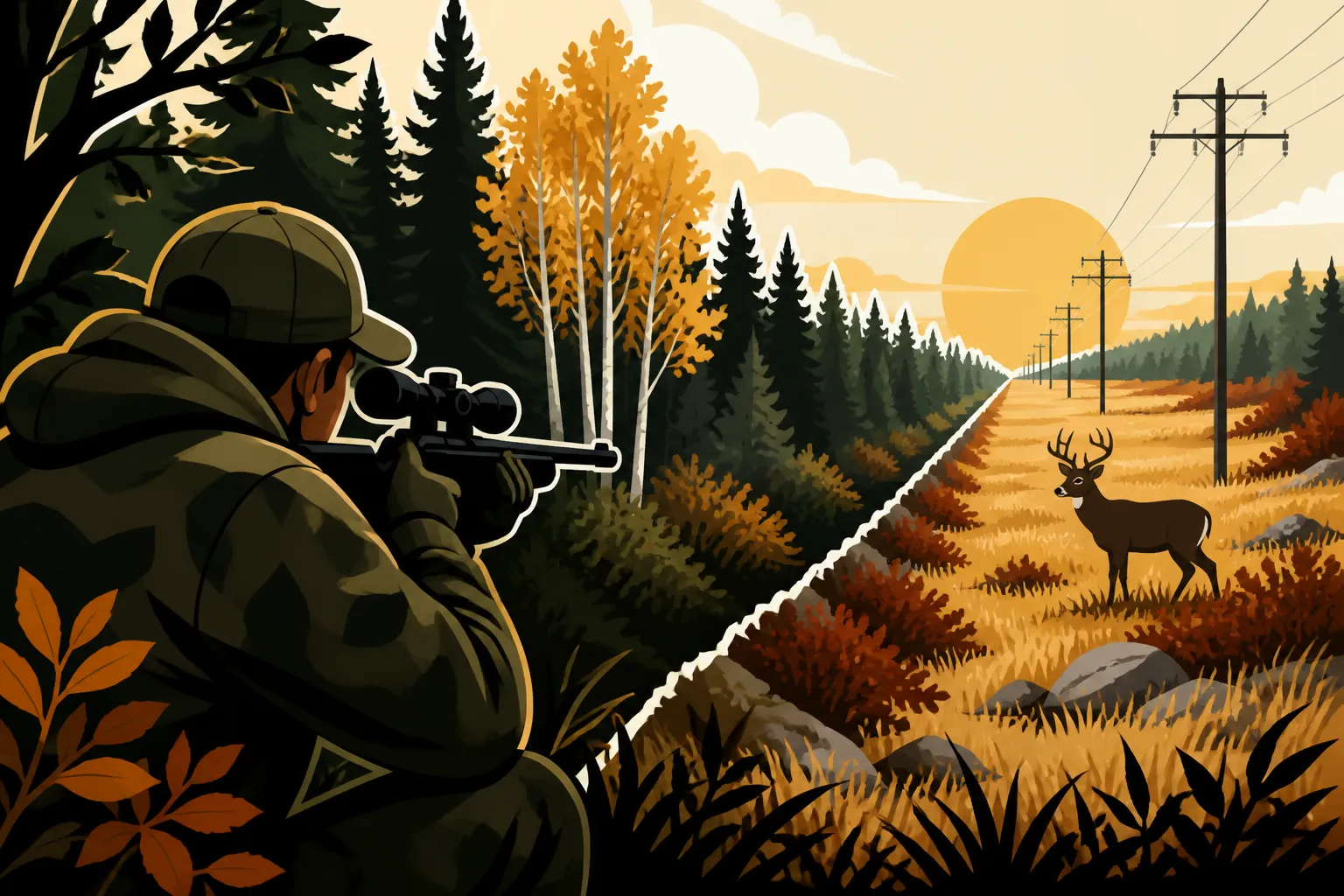
Hydro corridors, those wide swaths of cleared land beneath power lines, might seem like barren industrial scars at first glance. But for many species of Manitoba game, they are anything but. These linear clearings create unique edge habitats that provide a host of benefits, drawing animals in for travel, feeding, and even bedding. Ignoring these areas means missing out on prime hunting opportunities.
Edge Habitat and Food Sources
Think about it: a hydro corridor is essentially a giant, man-made edge. It’s where the dense forest meets an open clearing, or where farmland abruptly gives way to a strip of shorter vegetation. These "edges" are biological hotspots. Deer, moose, and bear thrive on the variety of forage that grows along these transitions. Sunlight can penetrate to the forest floor, encouraging the growth of grasses, shrubs, and saplings that are a primary food source. Furthermore, the constant maintenance of these corridors often involves selective clearing, which can promote new growth and browse that animals readily exploit.
For whitetails, specifically, the fresh growth of young poplars, willows, and various forbs that spring up in the disturbed soil of a hydro line can be incredibly appealing, especially in areas where mature forest offers less understory browse. This constant regeneration acts like a buffet. Reading Whitetail Sign in Manitoba Aspen can help you interpret what browse pressure means in these transition zones. Black bears will also frequent these edges, especially in spring and fall, gorging on berries, young plants, and other edibles exposed by the clearing.
Travel Corridors and Natural Funnels
Beyond just food, hydro corridors serve as critical travel arteries for big game. Imagine being a deer in thick bush. Navigating dense timber can be slow, noisy, and energy-intensive. A hydro corridor, while exposed, offers a relatively clear path of least resistance. Animals will often use these corridors to move between bedding areas and feeding grounds, or even between different blocks of cover. This makes them natural funnels, concentrating animal movement into predictable pathways.
During the rut, for instance, bucks will use these open lanes to cruise, scent-checking for does and covering ground more efficiently than slogging through the bush. You’ll often find fresh tracks, rubs, and scrapes along these edges, indicating active travel. In the vast northern reaches of Manitoba's boreal forest, a hydro corridor might be one of the only readily navigable routes through otherwise impenetrable terrain, making them prime targets for moose hunters. Hunting a Cutline Grid in the North shares similar principles that apply to hydro corridors.
Scouting and Strategy for Hydro Corridor Hunting
Successfully hunting a hydro corridor isn't just about showing up. It requires careful scouting, understanding game patterns, and precise stand placement. These areas, while productive, can also be challenging due to their open nature and potential for human activity. A methodical approach will significantly increase your odds.
Utilizing Topographical and Satellite Maps
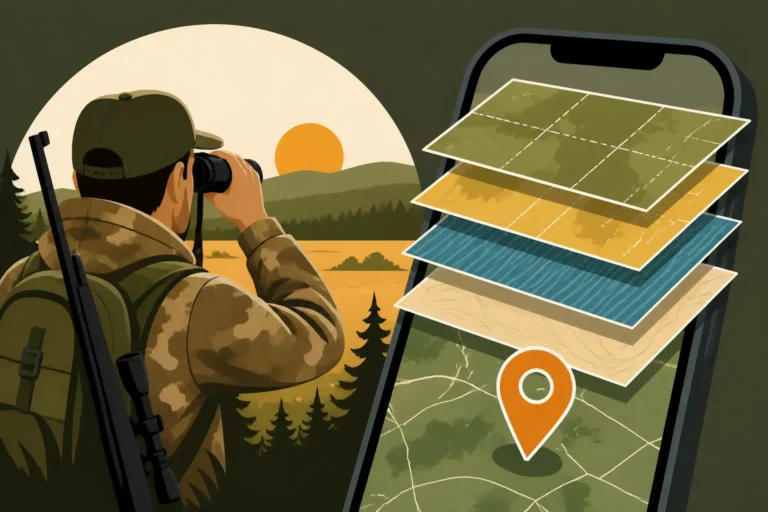
Before you even step foot in the field, pull out your maps. This is where tools like onX Hunt truly shine. You can zoom in on potential hydro corridor hunting spots and analyze them from a bird's-eye view. Look for where the corridor intersects different types of cover: a swamp, a dense stand of pines, a poplar bluff, or even agricultural fields. These intersections are often key congregation points. Pay attention to changes in elevation, small draws, or fingers of timber that extend into the clearing, as these can offer additional cover for animals moving across.
Identify potential crossing points – narrow sections, dips, or areas where the cover on either side is particularly dense and appealing. Use the satellite imagery to spot specific features like mature trees that might offer good stand locations, or thicker brush lines within the corridor itself where deer might feel safer traveling during daylight hours. Scouting With Satellite Imagery in Manitoba is a fantastic resource for learning these digital scouting techniques. Remember to verify land ownership layers, especially if the corridor crosses private property, to ensure you're only hunting public land or have secured permission.
Identifying Key Crossing and Feeding Areas
Once you've done your digital homework, it's time for boots on the ground. Walk the corridor and its edges, looking for fresh sign. Tracks, droppings, rubs, and scrapes will tell you where animals are moving and feeding. Focus on the transition zones between the cleared line and the adjacent cover. Are there heavy trails entering or exiting the bush? Are there specific shrubs or saplings that show signs of heavy browsing? These are your hotspots.
During different seasons, game will use these areas differently. In the early fall, deer might browse more openly along the edges. As hunting pressure increases or colder weather sets in, they might stick closer to the timber, only venturing into the corridor at dawn or dusk. Consider scouting for bedding areas nearby. Often, animals will bed in dense cover just off the hydro line, using the corridor to feed or travel before retreating to safety. Hunting a Manitoba Bush Edge emphasizes the importance of these transition areas, and it's doubly true for a hydro corridor.
Strategic Stand Placement and Concealment
Given the open nature of many hydro corridors, stand placement and concealment are paramount. You want to position yourself where you have a good view of active travel routes and feeding areas, but remain hidden from the keen eyes of incoming game. Look for large trees on the edge of the timber that offer good height and backdrop, breaking up your silhouette. If the corridor itself has some scattered thicker brush or smaller trees, a ground blind might be an option, but ensure it's well-brushed in and set up well in advance of your hunt.
Consider the prevailing wind direction carefully. Animals will often approach or cross a corridor with the wind in their favour. Plan your stand accordingly to keep your scent out of their travel path. Don't be afraid to move your stand if early observations indicate a different pattern of movement than you anticipated. Sometimes, even a slight shift of 20-30 yards can make all the difference. When selecting a stand, also think about your approach and exit routes to minimize disturbing the area.
Species-Specific Approaches and Seasonal Considerations
Hunting a hydro corridor isn't a one-size-fits-all endeavor. Different game species will interact with these linear clearings in unique ways, and the time of year plays a huge role in their behavior. Tailoring your approach to the specific animal you're pursuing and the season you're hunting can dramatically improve your success.
Whitetail Deer in Hydro Corridors
Whitetail deer are perhaps the most common big game animal you’ll encounter using Manitoba’s hydro corridors. They use these areas extensively for travel, especially between different patches of forest or when moving from dense bedding cover to agricultural fields on the other side. During the early archery season, you might find deer feeding more openly on the lush growth within the corridor. As the season progresses and the rut approaches, bucks will actively cruise these corridors, looking for receptive does.
Setting up along a well-used trail that crosses the corridor, or at an intersection where a game trail from the adjacent timber meets the clearing, can be highly effective. Pay close attention to any small islands of cover or thickets within the corridor itself, as deer will often pause here for a sense of security before committing to crossing the more open areas. The visibility offered by these corridors can make them excellent spots for spotting and stalking, especially during the rifle season, though this requires extreme caution and careful use of available cover. Hunting the Rut in Early to Mid November can be a prime time to target cruising bucks along these clearings.
Black Bear and Moose Along the Lines
Black bears also frequent hydro corridors, particularly in spring and fall. In spring, they emerge from hibernation looking for new growth, and the sun-exposed clearings often green up faster than the dense forest. They’ll also be searching for berries and other edibles in the fall. If you’re baiting bear, a hydro corridor can be an ideal location due to its relative openness for access and setup, provided you're on public land or have permission for a private land bait site. Baiting Black Bear in Manitoba offers detailed advice on effective baiting practices.
Moose, especially in Manitoba’s more northern and boreal regions, will readily use hydro corridors. These massive animals appreciate the easier travel, and the new growth of willow and poplar saplings within the corridor provides excellent browse. Finding fresh moose tracks and droppings along a hydro line can indicate a prime area. During the rut, a bull moose might use the corridor to vocalize and challenge other bulls, making it a good location for calling. Glassing long stretches of a corridor from a vantage point can be a great way to spot a moose feeding or moving through, particularly in more open boreal or marshy areas. Calling a Bull Moose in the Rut is a good read if you're thinking of attracting a moose in these settings.
Seasonal Movement Patterns
The season dictates much of the game movement. In early fall, with abundant food everywhere, animals might use corridors more casually. But as crops come off and other food sources diminish, or as winter snows deepen, the browse and clear travel of a hydro corridor become even more attractive. During deep winter, when snow makes travel difficult, a packed-down trail along a hydro line can be an absolute magnet for game. Conversely, during periods of high pressure, deer might become almost entirely nocturnal in these exposed areas.
| Season | Whitetail Deer Behavior | Black Bear Behavior | Moose Behavior |
|---|---|---|---|
| Early Fall | Increased daytime feeding along edges, active travel between cover and food. Scouting for new sign is crucial. | Foraging for berries, nuts, and early fall vegetation. May use corridors for quick travel to denning areas. | Browsing on new growth and saplings. Bulls may begin to establish territories and vocalize. |
| Rut (Mid-Fall) | Bucks actively cruising for does, making rubs and scrapes. Increased movement in and along corridors. Doe movement also up. | Continued foraging, building fat reserves. Less focus on breeding, more on food. | Bulls actively seeking cows, often using corridors to cover ground efficiently. Excellent time for calling. |
| Late Fall/Early Winter | Seeking dense thermal cover during the day, feeding heavily at dawn/dusk. Corridors for efficient travel, especially in snow. | May still be active, depending on food availability and temperature, before denning. Less common sightings. | Prioritizing browse in clearings. Deeper snow pushes them to follow easier routes like corridors. |
| Deep Winter | Heavily reliant on corridors for travel if snow is deep. Daytime movement greatly reduced, focusing on survival. | Denning. | Continued heavy browsing, using corridors for easy travel. May yard up in nearby dense cover. |
Safety and Ethical Considerations When Hunting Hydro Corridors
Hunting hydro corridors comes with unique safety considerations that hunters absolutely must keep in mind. We're talking about areas with active infrastructure, and often, mixed-use recreation. Ethical behavior is also critical to maintaining access to these valuable hunting grounds.
Power Line Safety
This is paramount. Always be aware that you are near active power lines. Never shoot at, near, or towards power line structures or insulators. Bullets can ricochet, damage equipment, and create incredibly dangerous situations, not to mention potentially interrupting power for thousands of people. Maintain a respectful distance from towers and poles. If you're using an elevated stand, ensure you are well clear of any lines or equipment. Avoid hunting directly under lines that hum or crackle, as this could indicate issues.
Always be aware of your backdrop when shooting. While the corridor might seem open, stray bullets can travel a long distance. Assume there are other people in the area – hikers, snowmobilers, ATV riders, or utility workers. Blaze orange is not just a suggestion; it's a requirement in Manitoba during many big game seasons and a smart choice when hunting in areas with high visibility and potential mixed use. Blaze Orange Rules and Exceptions can help you confirm the specific requirements for your hunt.
Public Access and Private Land Concerns
Many hydro corridors traverse both Crown land and private property. It is your responsibility to know exactly where you are hunting. Use a reliable GPS mapping app like onX Hunt to ensure you’re on land where hunting is permitted. If the corridor crosses private land, you must obtain explicit permission from the landowner before stepping foot on their property. Trespassing is not only illegal but also harms the reputation of all hunters. Even if you have permission for one side of the corridor, if it crosses into another property, you need separate permission for that section.
Respect private property boundaries rigorously. Leave gates as you found them, don’t litter, and avoid damaging fences or crops. Good landowner relations are essential for continuing access. Check the specific Game Hunting Area (GHA) regulations, as some corridors might fall within areas with unique rules or restrictions. Manitoba's Game Hunting Areas are diverse, and local regulations can vary.
Managing Hunting Pressure and Other Users
Hydro corridors, by their nature, can be accessible and therefore attract more hunters, especially in southern Manitoba. Be prepared to encounter other hunters. Communication and courtesy are key. If you see another hunter, acknowledge them, and consider moving to a different section if the area feels crowded. Spreading out helps reduce pressure on the game and improves safety for everyone.
Remember that hydro corridors are often used by other recreationalists: ATV riders, dirt bikers, snowmobilers (in winter), hikers, and even dog walkers. Be vigilant, wear your blaze orange, and always identify your target and what lies beyond it before taking a shot. Ethical hunting means prioritizing safety and respect for both wildlife and fellow humans enjoying the outdoors. By being a responsible and considerate hunter, you help ensure that these valuable hunting grounds remain open and productive for years to come.
Disclaimer
This article is for general informational purposes only and does not constitute professional advice. Laws, prices and regulations vary by location and change over time. Consult a qualified professional for guidance on your specific situation.