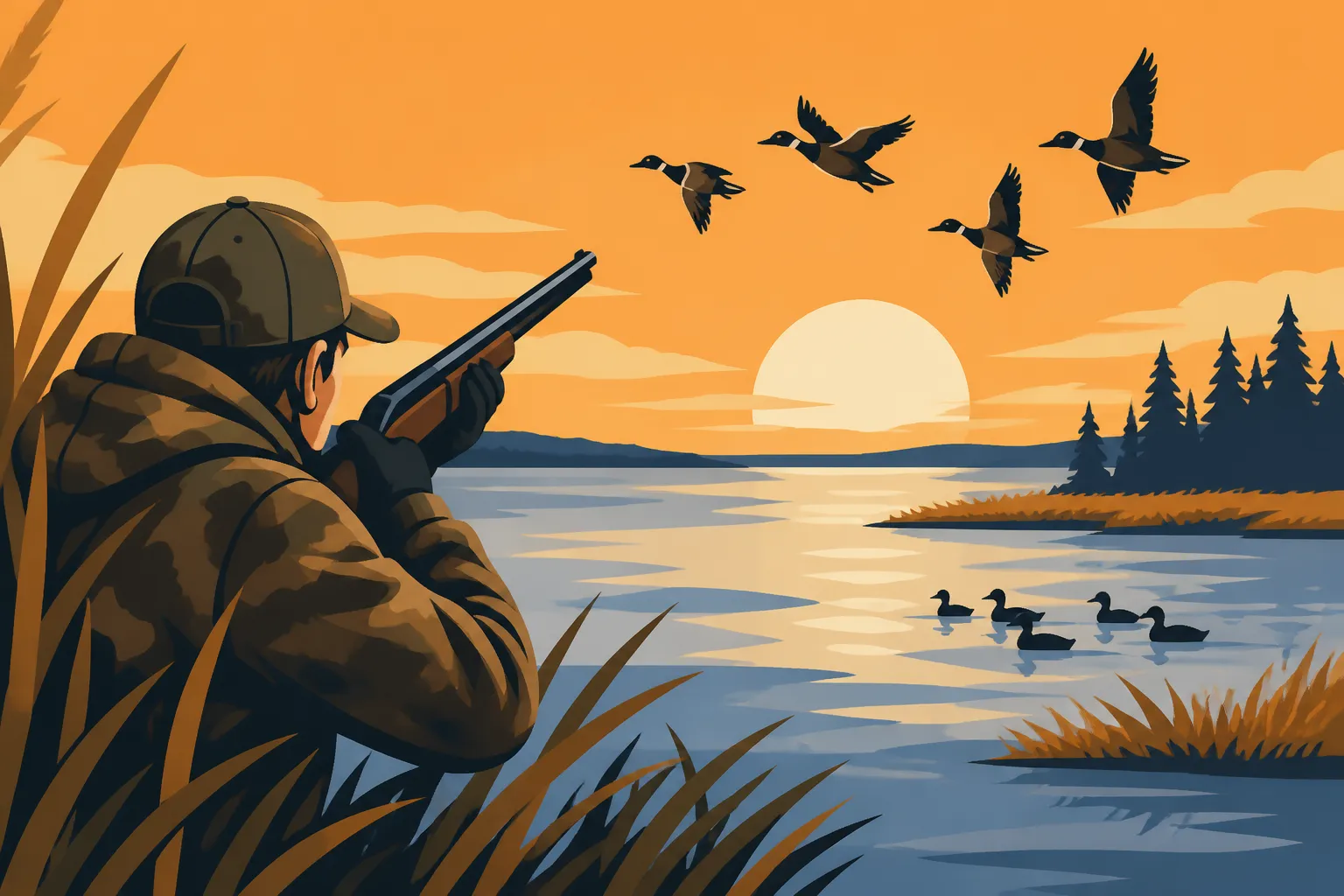
Hunting Around Dauphin Lake
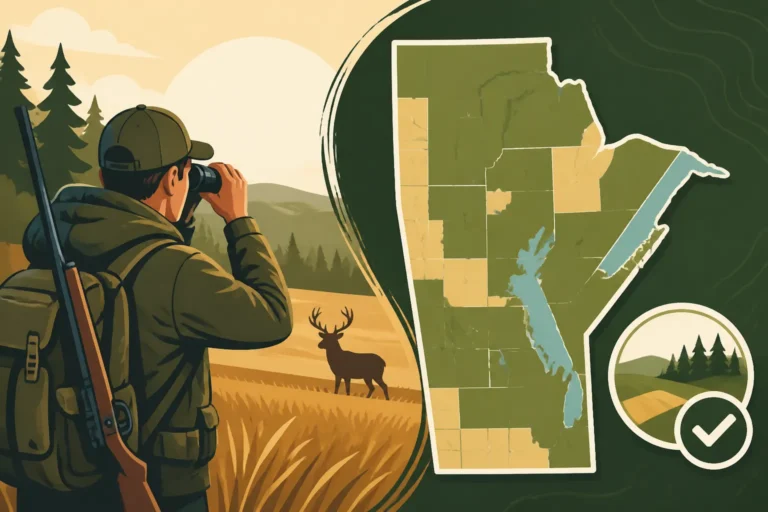
Finding productive hunting ground around a major lake can feel like chasing a ghost in a fog. You know the wildlife is there, drawn to the water and the rich surrounding habitat, but figuring out where you can legally and effectively hunt often feels like cracking a secret code. This guide aims to demystify hunting around Dauphin Lake, breaking down the unique opportunities and challenges this incredible Manitoba region offers, and helping you plan a successful outing.
The Unique Landscape of the Dauphin Lake Region for Hunters
Dauphin Lake isn't just a body of water; it's the heart of a vibrant ecosystem, a mosaic of natural features that creates incredible opportunities for hunters. Unlike the vast, unbroken bush of the north or the endless fields of the south, this area presents a fascinating blend that draws a diverse array of game.
Geographic Features and Habitat Diversity Around Dauphin Lake
Imagine a place where the deep, open waters of a large lake transition into expansive marshes, then blend into fertile agricultural fields, all while being fringed by pockets of aspen and willow bluffs. That's the Dauphin Lake region in a nutshell. The lake itself is quite shallow, especially in its southern reaches, leading to massive cattail and rush beds. These wetlands are absolute havens for ducks and geese, providing both food and crucial sanctuary. As you move away from the immediate shoreline, you hit agricultural land—wheat, canola, barley, and corn—which provides a ready food source for big game and upland birds alike. Interspersed within and bordering these fields are treed bluffs, willow runs, and small woodlots. These bush pockets provide excellent cover, especially for whitetail deer. It's this incredible diversity, this constant interplay between water, field, and forest, that makes hunting here so dynamic and often so rewarding. You might be Hunting a Slough Edge for Whitetails in the morning and setting up for geese in a stubble field by afternoon.
A Waterfowl Magnet on the Central Flyway
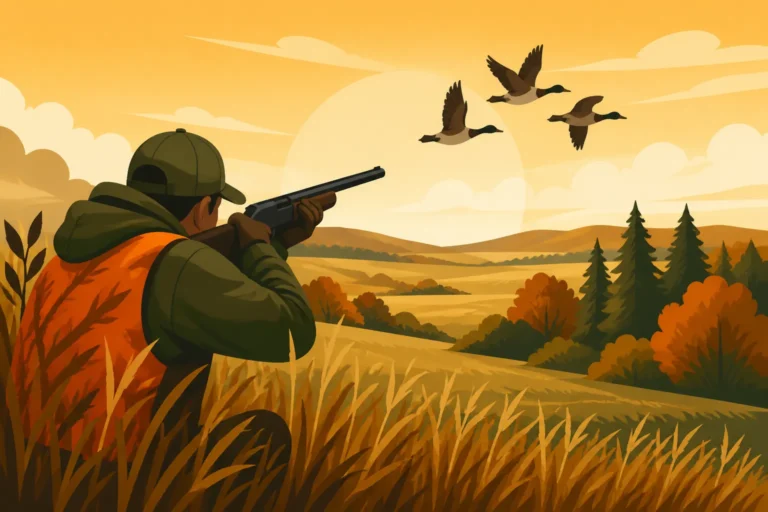
Dauphin Lake is arguably one of Manitoba's most significant waterfowl staging areas, making it a dream come true for bird hunters. Situated on the Central Flyway, thousands upon thousands of ducks and geese utilize the lake and its surrounding wetlands during migration. The shallow, nutrient-rich waters and extensive marshes provide abundant food sources and safe roosting areas. We're talking about huge numbers of mallards, pintails, canvasbacks, redheads, and various diving ducks. And the geese? Oh, the geese! Canada geese, snow geese, and even specklebellies converge here, feeding in the surrounding grain fields. This concentration of birds means that if you're a waterfowl hunter, Dauphin Lake simply has to be on your radar. The sheer volume of birds can be mind-boggling, offering opportunities for both marsh hunting and field hunting. It’s truly a testament to Manitoba's Ducks and Geese by Flyway.
Big Game Opportunities in the Fringe
While waterfowl might be the superstar of the Dauphin Lake region, don't underestimate the big game potential, particularly for whitetail deer. The transition zones, where the bush meets the fields, are prime habitat. Deer thrive on the agricultural crops, using the adjacent bluffs and bush pockets for cover and bedding. These "edge" habitats often produce robust whitetails, benefiting from both the nutritious feed and the dense thermal cover. You won't find the vast, uninterrupted boreal forest moose country here, but on the fringes of the region, especially towards the Duck Mountain Provincial Forest or the Porcupine Hills, you might encounter moose or even elk in certain GHAs. However, the whitetail is king, and hunters often find success by focusing on those strategic transition areas, especially during the rut.
Key Game Species and Hunting Strategies Around Dauphin Lake
Understanding what animals you're likely to encounter and how they behave in this unique landscape is crucial for planning your hunt. The strategies often blend elements of both prairie and bush hunting.
Waterfowl Hunting on Dauphin Lake
Waterfowl hunting around Dauphin Lake is legendary, offering some truly world-class opportunities. The key here is versatility. You'll likely need to adapt your approach based on the specific conditions and the species you're targeting. For ducks, especially puddle ducks, setting up on the edges of sloughs or smaller potholes near the lake, or even jump-shooting smaller water bodies, can be very effective. For diving ducks, setting up boat blinds or shore blinds where divers are known to feed and raft up can yield fantastic results. Geese, on the other hand, are often field-hunted. This involves scouting agricultural fields where geese have been feeding, then setting up large decoy spreads before dawn. Success often hinges on daily scouting to find where the birds are currently feeding. Using apps like onX Hunt can help identify field access and potential staging areas from afar. Remember, a lot of the land around Dauphin Lake is private farmland, so always secure permission before setting foot on a field. Whether it's Hunting Manitoba's Snow Goose Migration with a massive spread or a quiet morning for a few mallards, patience and proper setup are paramount.
Whitetail Deer in the Farmland Fringe
Whitetail deer hunting in the Dauphin Lake fringe country is all about understanding deer movement between food and cover. During the early archery seasons, deer will often be in standing crops like corn or sunflower fields, making morning and evening hunts on field edges productive. As the season progresses and crops come off, deer will rely more heavily on the treed bluffs, willow runs, and small woodlots for bedding. Scouting these pockets of cover, looking for trails, rubs, and scrapes, is essential. During the rut, calling and rattling can be effective, especially if you're positioned to catch bucks cruising the edges of cover looking for does. Consider Hunting a Bluff Between Two Fields or a thick willow run that connects two larger bush blocks. Tools like onX Hunt are invaluable here for identifying these pockets of cover, especially where Crown land might adjoin private agricultural parcels. Don't overlook the potential for a really big buck in these areas, as the abundant feed allows them to grow large bodies and impressive antlers. The deer often become very nocturnal due to pressure, so sitting all day, especially during the peak rut, can pay off.
Upland Birds and Small Game
Beyond the waterfowl and whitetails, the Dauphin Lake region also offers opportunities for upland birds and small game. Sharp-tailed grouse are quite common in the native grasslands and brushy edges that are interspersed with the agricultural fields. Walking up sharptails with a good flushing dog can be a fantastic way to spend a crisp fall day. Hungarian partridge, or Huns, also thrive in this mixed agricultural landscape, often found along shelterbelts, field edges, and stubble fields. They tend to hold tight, making them a challenging but rewarding target for hunters with pointing dogs. Hunting Hungarian Partridge on Manitoba Farms requires a keen eye and often a lot of walking. Snowshoe hares are plentiful in the denser bush pockets and willow thickets, offering a fun small game hunt, especially later in the season when the snow provides excellent tracking conditions.
Navigating Access and Regulations Around Dauphin Lake
Hunting around Dauphin Lake requires a solid understanding of land access and local regulations. It's a mix of opportunities and restrictions that you need to be prepared for.
Public vs. Private Land Around Dauphin Lake
This is perhaps the biggest consideration for hunters in the Dauphin Lake region. A significant portion of the land surrounding the lake, especially the highly productive agricultural areas, is privately owned. This means obtaining landowner permission is absolutely essential before you hunt. Showing respect, asking well in advance, and being prepared for a "no" are all part of the process. Sometimes a simple knock on the door can lead to a great hunting spot, but it's crucial to understand Manitoba Landowner Permission Law and abide by it.
However, there are also pockets of Crown land and Wildlife Management Areas (WMAs) in the vicinity. These public lands can offer excellent hunting opportunities, particularly for waterfowl in designated wetlands or for whitetails in larger treed blocks. Always carry a detailed map or use a digital mapping app like onX Hunt or even GoHunt to clearly identify land ownership boundaries. This will prevent accidental trespassing and help you focus your scouting efforts. Know the rules for Hunting a Manitoba Wildlife Management Area as specific regulations can apply within them.
Specific GHAs and Considerations
The Dauphin Lake area falls within several Game Hunting Areas (GHAs), primarily in the Parkland region. It's vital to check the current Manitoba hunting guide for specific GHA boundaries, season dates, and bag limits, as these can vary even within the broader region. Some GHAs might have specific moose conservation closures, or different deer limits, so always confirm before you go. Understanding Manitoba's Game Hunting Areas and their specific regulations is a non-negotiable part of responsible hunting here.
Important Regulations and Safety
When hunting around Dauphin Lake, especially for waterfowl, remember that non-toxic shot is mandatory for all migratory game birds. This is a federal regulation designed to protect waterfowl from lead poisoning. Always ensure you have your federal Migratory Game Bird Permit in addition to your provincial hunting licence. For big game, adhere to blaze orange requirements and all general firearm safety rules. Be especially mindful of property lines, roads, and dwellings when discharging firearms. The mix of private land, public land, and populated areas means heightened awareness is always needed. Safety, both for yourself and others, must be your top priority. Make sure you understand Non-Toxic Shot for Manitoba Waterfowl before heading out.
Planning Your Hunt for Success Around Dauphin Lake
A successful hunt around Dauphin Lake isn't just about showing up with a gun or a bow; it's about meticulous planning, preparation, and respect for the environment and local community.
Scouting and Preparation: The Hunter's Secret Weapon
The old adage "luck favours the prepared" holds especially true for hunting around Dauphin Lake. Pre-season scouting, both physical and digital, is your most potent tool. Spend time driving the backroads, glassing fields for feeding waterfowl or deer. Look for natural funnels, cover thickets, and water sources. Using satellite imagery on apps like onX Hunt is incredibly helpful for identifying potential hotspots, property lines, and access points from the comfort of your home. You can mark waypoints for blinds, game trails, or areas to investigate further. Some hunters even subscribe to services like GoHunt for broader regional insights, though local, on-the-ground scouting remains king. The more you know about the area before you arrive, the less time you'll spend guessing and the more time you'll spend hunting effectively. Remember, Scouting a Manitoba Game Hunting Area is a year-round endeavour, not just a last-minute scramble.
Gear and Weather Considerations
Manitoba weather can be notoriously unpredictable, especially during the fall hunting seasons. You might start a waterfowl hunt in a light jacket and end up needing serious winter gear by afternoon. Dressing in layers is always advised. For waterfowl, a good set of waders is essential, as is a reliable boat or specialized marsh vehicle if you plan to get deep into the wetlands. For big game, waterproof boots and warm, quiet outer layers are critical, especially if you plan on sitting in a stand for extended periods. Don't forget essentials like a first-aid kit, navigation tools, ample food and water, and emergency communication devices. Hunting Safely in Deep Winter Cold requires specialized gear, but even in early fall, conditions can shift rapidly.
Here's a quick reference table for general gear considerations:
| Species Targeted | Primary Habitat | Essential Gear | Key Considerations |
|---|---|---|---|
| Waterfowl | Lake, Marsh, Fields | Waders, Decoys, Boat/Layout Blind, Non-Toxic Shot, Binoculars | Daily scouting is crucial, weather protection paramount |
| Whitetail Deer | Field Edges, Bluffs | Camouflage, Scent Control, Calls/Rattling Horns, Treestand/Ground Blind, GPS/Map | Patience, understanding deer movement, property lines |
| Upland Birds | Grasslands, Field Edges | Shotgun, Bird Vest, Good Dog (optional), Walking Boots | Cover identification, slow and steady pace |
| Small Game | Bush Pockets, Thickets | .22 Rifle/Shotgun, Good Boots, Knife | Tracking in snow, understanding habitat |
Respecting the Land and Local Community
As hunters, we are guests on the land, whether public or private. It's paramount to leave no trace, pack out everything you pack in, and minimize your impact on the environment. When dealing with landowners, be polite, respectful, and always follow their rules. A bad experience for one landowner can unfortunately spoil access for many other hunters down the line. Proper game care is also vital; field dress your animals promptly and transport them legally. Being a responsible and ethical hunter not only ensures a positive experience for you but also helps maintain a good image for the hunting community as a whole. Remember that hunting is a privilege, and we all play a role in preserving it.
Dauphin Lake offers a truly unique and diverse hunting experience in Manitoba. With careful planning, respect for the land, and a willingness to adapt, you can have a truly memorable and successful hunt in this incredible region.
Disclaimer
This article is for general informational purposes only and does not constitute professional advice. Laws, prices and regulations vary by location and change over time. Consult a qualified professional for guidance on your specific situation.