Manitoba Landowner Relations for Hunters
Hunting in Manitoba is a dream for many, but the reality for most of us often involves navigating the complex world of private land. It's incredibly frustrating to drive past prime habitat, knowing big bucks or flocks of geese are just beyond a fence line, all because you don't know who owns the land or how to ask for permission. This guide is here to demystify landowner relations, helping you understand the rules, build trust, and ultimately open more doors to incredible hunting opportunities across our beautiful province.
The Foundation of Respect: Understanding Manitoba's Landowner Law
Let's face it, the landscape of hunting access isn't what it used to be. Gone are the days when you could just roam freely across many rural properties. Today, understanding Manitoba's laws regarding private land, and more importantly, the unwritten rules of respect, is the absolute bedrock of successful landowner relations. Without this foundation, you're building on sand.
The 'No Trespassing' Reality in Manitoba
One of the biggest hurdles for hunters, especially those new to Manitoba or coming from areas with different traditions, is grasping the default status of private land here. In Manitoba, if land is privately owned, it's considered off-limits for hunting unless you have express permission from the landowner. There's no "implied consent" where you can enter unless signs say otherwise, as you might find in some other jurisdictions. This can be a real head-scratcher when you see expansive fields or bush country that looks absolutely teeming with game, yet there's no "No Trespassing" sign in sight. The assumption you must make is that all private land is indeed private, and permission is required.
It's a frustrating reality for many, seeing a magnificent whitetail buck disappear over a hill onto what looks like accessible land, only to realize it's private and you have no legal right to pursue it. This isn't about being exclusionary; it's about property rights. Farmers and landowners work incredibly hard, and their land is their livelihood, their home, and their sanctuary. Understanding and respecting this basic principle is the first step toward gaining their trust. It shows you're not just looking for a place to hunt, but you understand the gravity of stepping onto someone else's property. This fundamental respect is also part of understanding Manitoba Landowner Hunting Privileges, recognizing that they have the ultimate say over what happens on their land.
Knowing What 'Posted' Actually Means Here
While all private land technically requires permission, signage does play a role in reinforcing the message and informing the public. In Manitoba, "posted" signs are there to explicitly state that hunting, trapping, or trespassing is prohibited. However, the absence of a sign does not imply permission. A landowner is not legally required to post signs for their land to be considered private. If there's no sign, it simply means you still need to seek permission.
When you do encounter signs, it's vital to heed them without question. A properly posted sign usually indicates the property owner's strong desire for privacy or a specific management plan for their land. Ignoring these signs is a direct violation of the law and can result in significant fines and loss of hunting privileges. It's always a good idea to refresh your knowledge on Manitoba Posted Land and Signage Rules to ensure you're compliant. Even if you don't see a sign, if you are unsure if it is private or Crown land, it's always best to err on the side of caution and assume it's private.
Beyond the Law: The Unwritten Rules of Respect
Legal requirements are one thing, but true landowner relations extend far beyond simply obeying the letter of the law. There's an unwritten code of conduct that differentiates a respectful hunter from one who's just looking to fill a tag. This code is about demonstrating genuine respect for the property, the landowner's livelihood, and their family.
Imagine driving your truck right into a freshly seeded field or leaving a gate open, allowing cattle to wander onto a busy highway. These actions, whether intentional or accidental, can cause immense financial hardship and stress for a farmer. This is why things like always closing gates, sticking to established tracks, avoiding driving on cultivated fields or fragile pasture, and packing out everything you pack in (including spent shell casings and snack wrappers) are non-negotiable. It's about being an exemplary guest, treating their property better than you would your own. These courtesies are often more impactful than any formal agreement in building a long-term relationship.
How to Approach Landowners: Building Bridges, Not Walls
The thought of knocking on a stranger's door to ask for permission can be intimidating. Many hunters feel a knot of anxiety in their stomach, fearing rejection or feeling like they're bothering someone. But remember, a polite, well-prepared approach can make all the difference. It's about building a connection, not just making a request.
Timing and Presentation: Making a Good First Impression
Timing is everything. Showing up unannounced on opening morning, dressed in full camo with a rifle slung over your shoulder, is generally not the best strategy. Landowners are often busy with their own routines, especially during harvest or planting seasons. The ideal time to approach a landowner is well before the season starts, often in the late spring or summer, or even in the off-season. This gives them time to consider your request without feeling rushed or pressured.
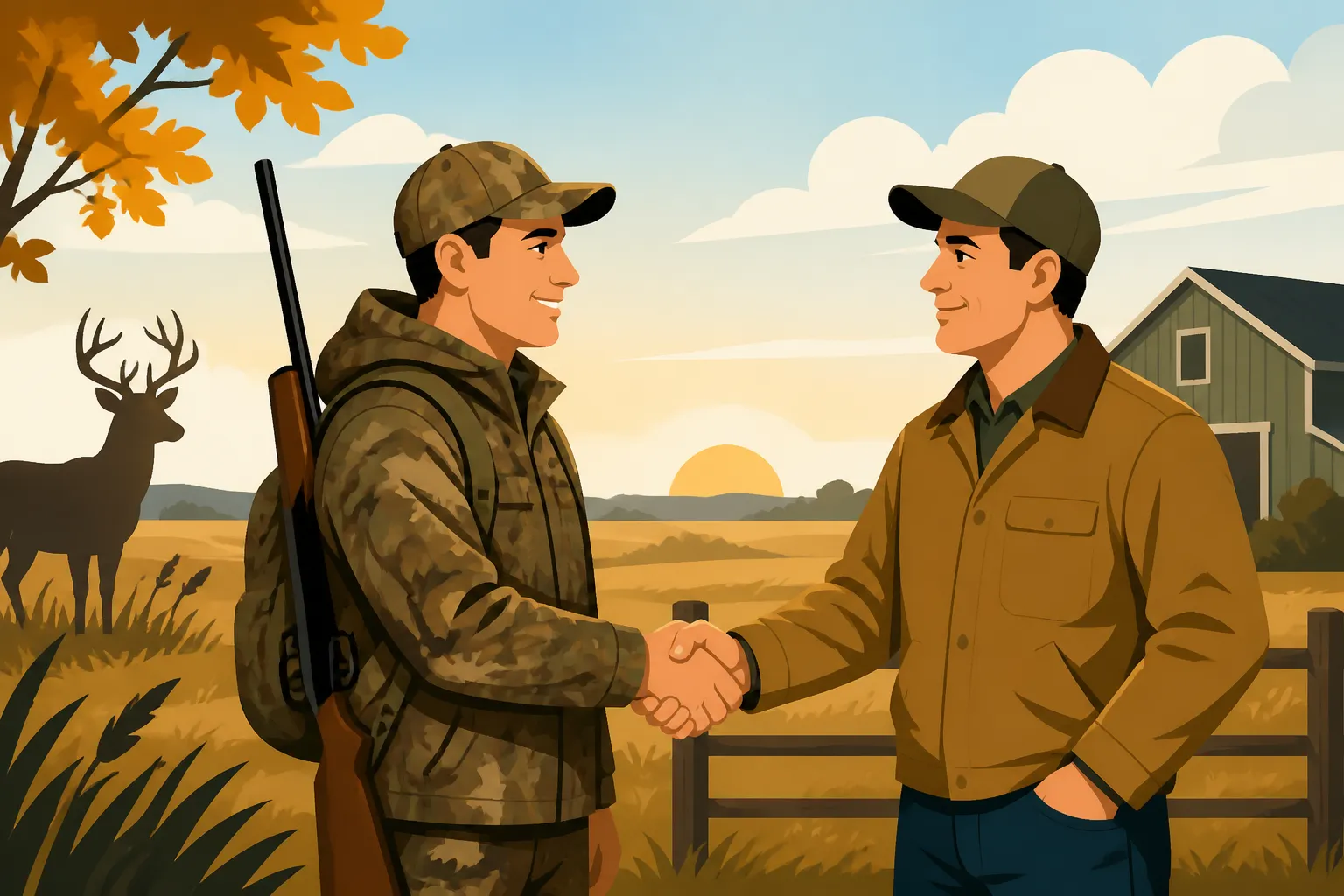
When you do go, present yourself respectfully. Dress neatly, perhaps in clean casual clothes, not your full hunting gear. Leave your firearms securely cased in your vehicle. Make eye contact, offer a firm handshake, and introduce yourself clearly. Explain where you're from and why you're interested in their property. A little bit of genuine, small talk about the weather or their crops can help break the ice and shows you're a real person, not just a hunter with a mission. First impressions genuinely matter, and demonstrating respect for their time and their property from the outset will set a positive tone for the conversation.
Crafting Your "Ask": What to Say (and What Not to Say)
When you get to the point of asking, be clear and concise about what you're looking for. Are you interested in Hunting Whitetails on Manitoba Farmland? Or perhaps chasing geese in their stubble fields? State your intentions directly. "Hello, Mr. Smith. My name is [Your Name], and I'm interested in the possibility of hunting deer on your property this fall." Offer specific dates or types of hunting if you have them in mind.
It's also a great idea to offer something in return. This could be a share of the meat if you're successful, or simply an offer to help with a small chore around the farm, like closing a gate that keeps blowing open or picking up trash along their fence line. Don't make grand promises you can't keep, but a genuine offer of help or appreciation can go a long way. Critically, avoid any sense of entitlement. Never imply that you deserve to hunt their land or that they owe you anything. Accept that a "no" is always a possibility. For more specific guidance on this delicate conversation, you might find useful tips in Asking a Manitoba Landowner for Permission. Be polite, be respectful, and be prepared to listen.
Handling a "No": Grace, Gratitude, and Future Opportunities
Let's be realistic: you're going to hear "no" sometimes. It's part of the process. A "no" isn't necessarily a reflection on you; it could be due to a myriad of reasons completely unrelated to your character. Perhaps they already have hunters, have had bad experiences in the past, or simply prefer not to have anyone hunting on their land. It might be that they hunt it themselves, or family members do.
When you receive a "no," the most important thing is to respond with grace and genuine gratitude. Thank them for their time and for simply considering your request. A simple, "I completely understand, thank you for your time anyway," can leave a positive impression. Resist the urge to argue, plead, or complain. Burning a bridge with one landowner can quickly spread through a rural community, making it harder to gain access elsewhere. Maintaining a positive attitude, even in rejection, leaves the door open for a potential "yes" in the future, should circumstances change. You never know when they might remember your polite demeanor and offer permission next year.
Strategies for Finding Landowner Contacts
So, you're ready to put yourself out there. But how do you even start identifying landowners and making those initial connections? It's not always as simple as looking up a name in a phone book anymore. Thankfully, there are both traditional and modern methods that can help.
Knocking on Doors: The Old-School, Still-Effective Method
Despite all our digital advancements, the classic door knock remains one of the most effective ways to secure hunting permission. There’s something undeniably powerful about a face-to-face conversation. It allows you to build rapport, answer questions directly, and show your sincerity in a way a phone call or email simply can't. When heading out to knock, target properties that visibly show game sign – perhaps a Hunting a Shelterbelt Row in Open Prairie or a prime field edge.
Consider the best times of day: mid-morning or late afternoon are often good, avoiding meal times or early mornings when farmers are typically out in the fields. Be persistent without being a nuisance. If no one answers, don't leave a note – that can be seen as impersonal or even a bit strange. Try again another day or at a different time. Focus your efforts on properties that clearly have good habitat and show potential for the game you're interested in. You'll save time and energy by targeting prime areas. For a deeper dive into the nuances of this approach, check out Knocking on Doors in Manitoba Farm Country. This direct interaction also makes it easier to clarify boundaries and specific rules right on the spot.
Leveraging Technology: Digital Tools for Land Research
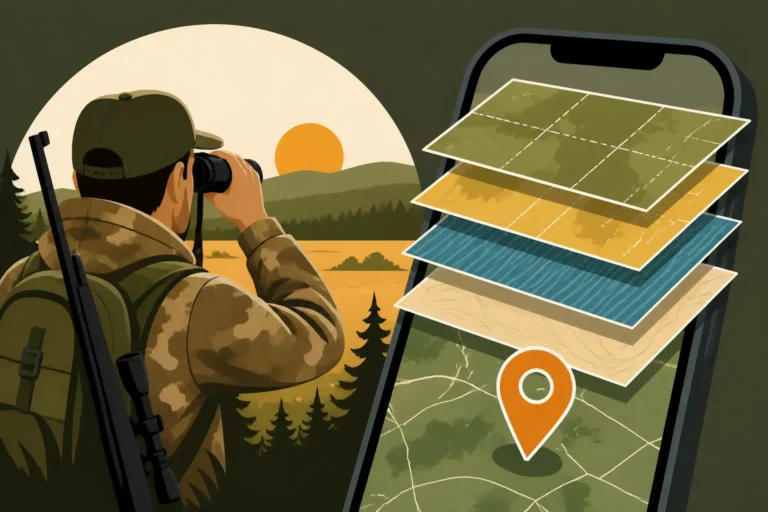
This is where technology really shines for the modern hunter. Digital mapping tools have revolutionized the way we scout and identify landowners. Services like onX Hunt have become invaluable for Manitoba hunters. You can pinpoint property lines with remarkable accuracy, see who owns the land, and sometimes even find contact information, all from your phone or computer. This allows you to research an area thoroughly before you even leave your couch.
Imagine you're scouting a promising piece of bush or a field that looks like a magnet for waterfowl. With an app like onX Hunt, you can instantly see if it's Crown land or private, identify the owner's name, and then focus your efforts on contacting that specific individual. This saves immense amounts of time and prevents accidental trespass. You can even use the satellite imagery layers to identify potential pinch points, food sources, or bedding areas on adjacent properties, giving you informed questions to ask when you speak with the landowner. While other platforms like GoHunt offer great resources for Western US draws, for landowner mapping in Manitoba, onX Hunt is particularly strong. Using these tools for Scouting With Satellite Imagery in Manitoba is a game-changer for efficient and respectful hunting.
Community Connections: Local Stores, Co-ops, and Word of Mouth
Sometimes, the best information isn't found online or by knocking on random doors, but through the local grapevine. Small towns across Manitoba thrive on community, and often, local businesses can be a great source of information (if approached respectfully). A stop at the local gas station, coffee shop, or general store might yield unexpected dividends. Strike up a conversation with the locals. Mention your interest in hunting in the area, and politely ask if anyone knows landowners who might allow hunting.
This isn't about asking for direct introductions, but rather gaining a sense of the community and who the key players are. You might learn about farmers who are struggling with crop damage from deer or geese and are actively seeking hunters. Joining local conservation groups or wildlife federations can also connect you with other hunters and landowners who share your interests. These organizations often foster strong community ties and can be invaluable for networking. Just remember to be patient, polite, and respectful of local sensibilities.
The Ongoing Relationship: Earning and Maintaining Trust
Securing permission once is a fantastic achievement, but it's just the beginning. The goal isn't a one-time hunt; it's to build a lasting relationship that could provide hunting access for years to come. This requires ongoing effort, communication, and a consistent demonstration of good character.
Communication and Follow-Up: Keeping the Lines Open
Once you've been granted permission, clear and consistent communication is paramount. Before each visit, confirm your plans with the landowner. A quick text or phone call saying, "Just letting you know I'm heading out to your south quarter this morning for a few hours," keeps them informed and avoids any surprises. If you harvest an animal, let them know! A simple message, "Got a nice buck off your land this morning, thanks again!" shows appreciation and keeps them in the loop.
A handwritten thank-you note after your hunt, even if you weren't successful, goes a long way. It’s a small gesture that speaks volumes about your character and appreciation. Report back on anything unusual you noticed – a downed fence, signs of trespassing by others, or unusual wildlife activity. This shows you’re attentive and care about their property, not just your hunting success. By keeping the lines of communication open, you solidify your position as a trusted and responsible hunter.
Being a Good Steward: Actions Speak Louder Than Words
This can't be stressed enough: your actions on their property are the most powerful indicators of your respect and trustworthiness. Every time you open and close a gate, you're either reinforcing trust or eroding it. Always ensure gates are closed exactly as you found them, or if you're unsure, ask the landowner what they prefer. Drive slowly on their roads and trails, especially if livestock are present or if conditions are wet and muddy.
Never leave litter behind – not a single shell casing, plastic water bottle, or candy wrapper. Pack out everything you bring in. Stick to agreed-upon boundaries and avoid driving or walking through sensitive areas like standing crops or freshly seeded fields. If you cause any accidental damage, no matter how minor, report it immediately and offer to fix it or compensate them. This level of honesty and accountability is rare and will earn you immense respect. Being a good steward means treating their land as if it were your own, or even better.
Going the Extra Mile: Beyond Just Hunting
Think beyond the immediate hunt. How can you genuinely help your landowner? Perhaps they're busy during harvest, and you could offer to help move some bales or check fences. Maybe they have issues with gophers and you could offer to spend an afternoon addressing that nuisance. Sometimes, simply bringing a small gift – a pie from a local bakery, a gift certificate to a coffee shop, or even some of the game you harvested – can be a wonderful gesture of appreciation.
These gestures aren't about quid pro quo; they're about building a genuine relationship with your landowner. It shows you value them as people, not just as a means to access hunting land. Some landowners even face significant challenges, such as wildlife damaging crops, and being part of the solution can be a huge benefit. While we might not be directly responsible for Manitoba Landowner Damage Compensation, offering assistance or simply listening to their concerns about wildlife damage can strengthen your bond and make them view you as a partner in managing their property.
Specific Scenarios and Troubleshooting
Even with the best intentions, situations can arise that require careful navigation. Knowing how to handle these specific scenarios can mean the difference between maintaining a good relationship and creating an irreversible problem.
Retrieving Wounded Game: What to Do When it Crosses the Line
It's every hunter's worst nightmare: you make a good shot, but the animal still runs, and you watch it disappear onto private land where you don't have permission. The ethical imperative to recover wounded game is strong, but so is the legal requirement to not trespass. Your absolute first step, always, is to contact the landowner before you cross that fence line.
Even if you have permission to hunt their land, you might not have permission to retrieve game from an adjacent property. Have the landowner's phone number readily available. Explain the situation calmly and politely ask for permission to enter their property to retrieve your animal. Offer to leave your weapon behind if they prefer. If you cannot reach the landowner immediately, you must not enter. It's a tough call, but trespassing, even for a wounded animal, can destroy trust and lead to legal trouble. In extreme cases, if the landowner absolutely refuses and you believe the animal is suffering, you might have to contact a conservation officer for assistance. Familiarize yourself with the specifics of Retrieving Game From Private Land in Manitoba to know your rights and responsibilities in these stressful situations.
Hunting Adjacent to Private Land: Knowing Your Boundaries
Hunting Crown land or public access areas that border private land requires extreme diligence. It's crucial to know exactly where the boundary lies, especially when taking a shot. An animal legally taken on public land could drop just across the fence on private property, leading back to the previous scenario. Even more critically, an errant shot that crosses onto private land, even if it doesn't hit an animal, is a serious safety concern and a potential legal violation.
This is another area where digital mapping apps like onX Hunt are indispensable. Use the GPS on your phone to know your exact location relative to property lines. Mark out your shooting lanes and be absolutely certain of your background before taking any shot. Never assume a shot is safe if you cannot clearly see where your bullet or arrow will end up. Respect the privacy and safety of those on adjacent private lands. Understanding and respecting these boundaries is also key when considering strategies such as Hunting a Fence Line Between Quarters, where precision and communication become even more critical.
Dealing with Difficult Situations or Disputes
Occasionally, despite your best efforts, misunderstandings or disputes can arise. Maybe another hunter challenges your presence, or a landowner becomes upset about something. The golden rule in these situations is to remain calm, respectful, and never escalate the situation. If a landowner is upset, listen to their concerns, apologize if you've made a mistake (even an unintentional one), and offer to rectify it.
If you encounter another hunter on the property, and you both have permission, try to communicate and coordinate to avoid interference. If someone without permission is on land you have access to, politely and calmly inform them they are trespassing, and if they refuse to leave, contact the landowner or a conservation officer. Avoid confrontation at all costs. Your role is to be a responsible hunter, not an enforcement officer. If harassment or threats occur, document everything and contact the proper authorities immediately. It's always best to let law enforcement or conservation officers handle potentially volatile situations.
Landowner Relations: Do's and Don'ts
Building and maintaining good landowner relations is an ongoing process of respect, communication, and good stewardship. Here's a quick summary to keep in mind:
| DO | DON'T |
|---|---|
| Seek permission for all private land. | Assume permission if no signs are posted. |
| Approach landowners off-season. | Show up on opening day without prior contact. |
| Dress neatly and introduce yourself. | Arrive in full camo with uncased firearms. |
| Be clear and specific about your request. | Be vague or act entitled. |
| Offer to help or share game. | Promise more than you can deliver. |
| Respect a "no" gracefully. | Argue, plead, or complain if denied. |
| Communicate before each visit. | Show up unannounced or leave surprises. |
| Close all gates as you found them. | Leave gates open or drive through them carelessly. |
| Stick to agreed-upon areas and routes. | Wander beyond boundaries or drive on crops. |
| Pack out all your trash. | Leave any litter, including shell casings. |
| Report any issues you notice (e.g., fence down). | Ignore problems or assume it's not your concern. |
| Offer a thank-you note or gesture. | Forget to show appreciation. |
| Use digital maps (like onX Hunt) to know boundaries. | Guess at property lines. |
| Contact landowner before retrieving wounded game off-property. | Trespass to recover an animal. |
Disclaimer
This article is for general informational purposes only and does not constitute professional advice. Laws, prices and regulations vary by location and change over time. Consult a qualified professional for guidance on your specific situation.