What Success Rates Actually Mean
Hunting success rates on outfitter websites explain kill percentages, opportunity types, and how outfitters calculate these varying numbers.
Book the hunt, not the brochure.
Guided, semi-guided, and drop-camp options, which outfitters work which units, guide licensing requirements, booking timelines, and what a deposit actually covers.
Hunting success rates on outfitter websites explain kill percentages, opportunity types, and how outfitters calculate these varying numbers.
Manitoba bear hunt success rates show harvest percentages, but outfitter calculation methods and trophy quality vary significantly.
Manitoba whitetail hunt success rates depend on harvest percentages, opportunity rates, weather conditions, and seasonal timing factors.
Guided whitetail hunts in Manitoba usually run five to seven full hunting days, with length varying by species and tactics, from bush stands to tundra caribou.
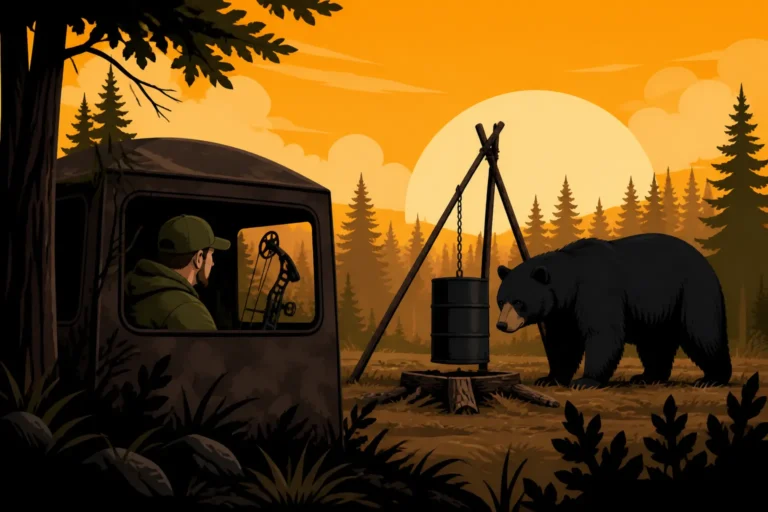
Ground blind placement for Manitoba bear baiting improves scent control and hunter comfort during long sits over bait sites.
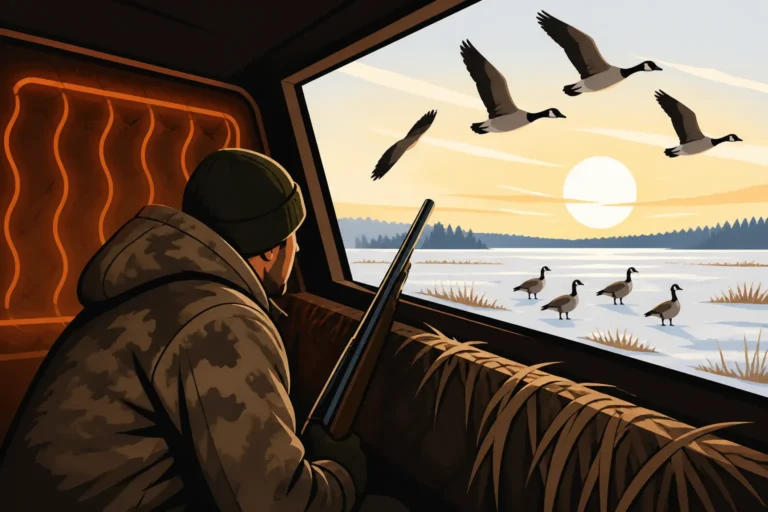
Heated blinds during brutal Manitoba winters keep hunters warm, extending field time and improving big game hunting success rates.
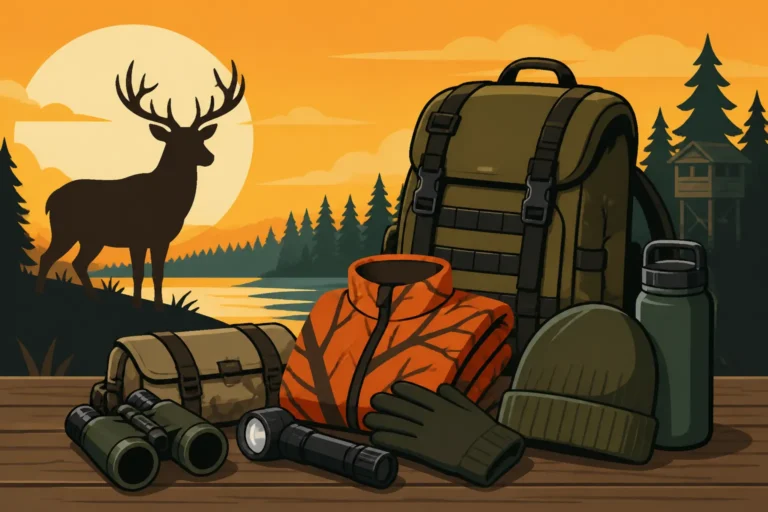
Manitoba deer camp packing details explain required hunting licences, species tags, hunter education cards, and personal identification documents.
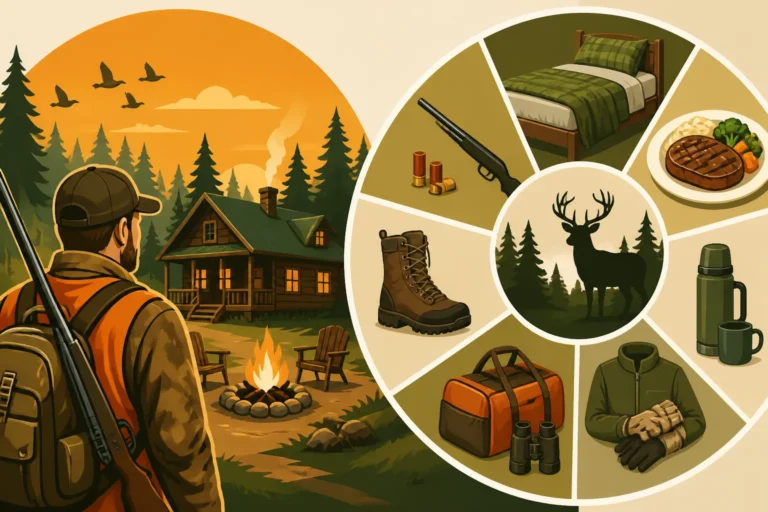
Manitoba hunting camp provisions explain lodging, hearty meals, and basic amenities provided by outfitters for your trip.
One-on-one versus two-on-one Manitoba hunting guiding ratios impact cost, guide attention, and your personal experience.
Manitoba hunting outfitter capacity depends on legal tag allocations, lodge beds, vehicles, equipment fleets, and available staff.