How CWD Reached Manitoba From the West
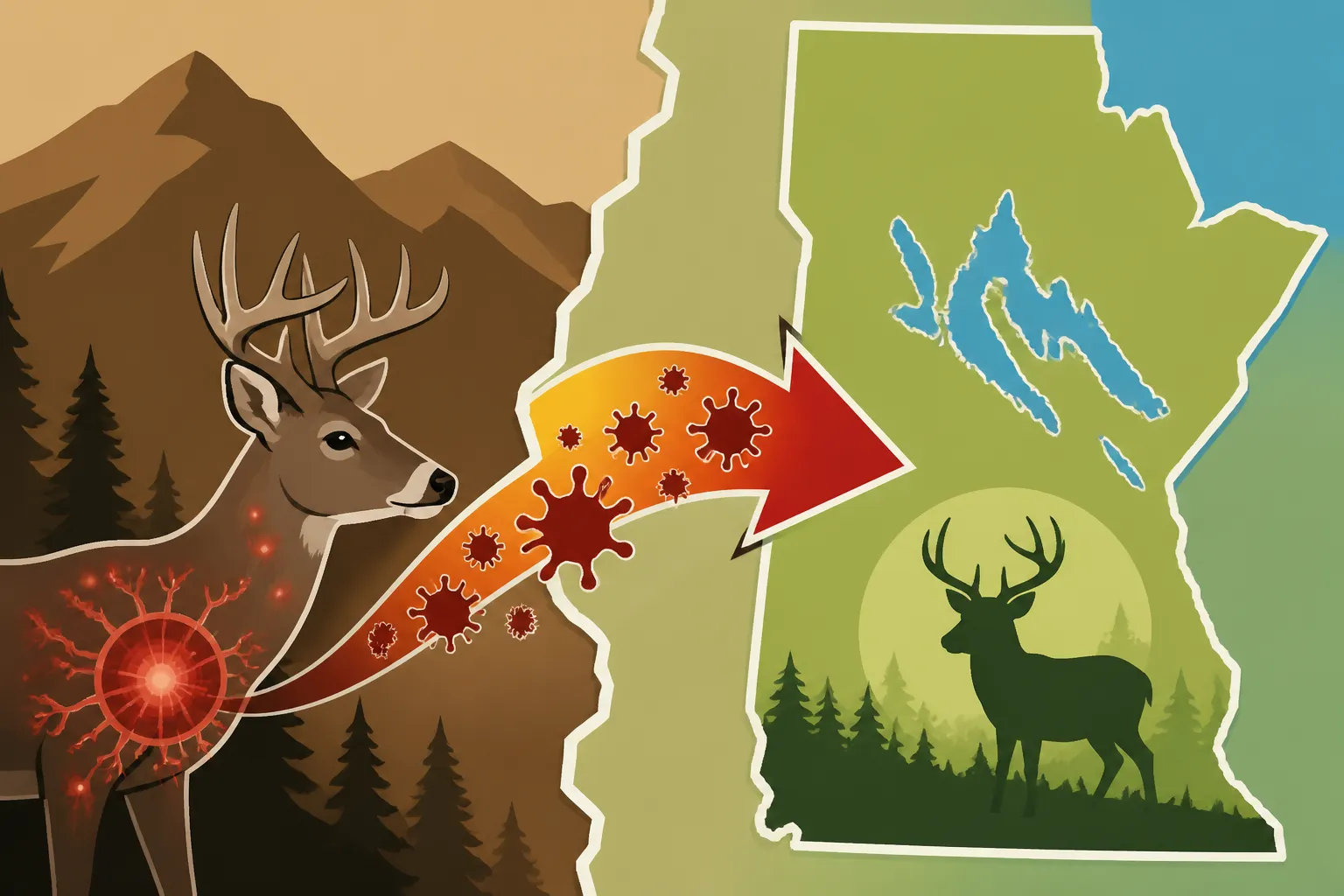
It's a stark reality that impacts every hunter's thoughts and plans: the slow, insidious creep of Chronic Wasting Disease, or CWD, across our landscapes. For us in Manitoba, the worry wasn't if it would arrive, but when and how. This guide dives deep into the journey CWD took, travelling eastward from our western neighbours, and what that means for our beloved hunting traditions and the health of our deer, elk, and moose populations.
The Initial Arrival: Tracing CWD's Western Roots
The story of CWD reaching Manitoba is largely one of geographical inevitability and the relentless nature of disease spread, starting well before it was officially detected within our borders. Understanding its origins in North America and how it established itself in provinces to our west is crucial to grasping its eventual arrival here.
Understanding Chronic Wasting Disease
Chronic Wasting Disease is one of the most concerning wildlife diseases of our time. It's a fatal, progressive neurological disease that affects cervids – deer, elk, moose, and caribou. Unlike bacterial or viral infections, CWD is caused by abnormal proteins called prions. These prions essentially corrupt normal proteins in the animal's brain, leading to a host of debilitating symptoms over time. Think of it like a slow, irreversible decay of the brain and nervous system.
The symptoms are heartbreaking to witness: weight loss (hence "wasting"), stumbling, drooling, a vacant stare, and behavioral changes like reduced fear of humans. Because it's a prion disease, it's incredibly resilient. The prions can persist in the environment – in soil, on plants, even in water – for years, making it incredibly difficult to contain or eradicate once it takes hold. And here's the kicker: it's always fatal. There's no cure, no vaccine. The fear and frustration among hunters, wildlife biologists, and rural communities are completely understandable, as this isn't just another illness; it's a fundamental threat to the very herds we cherish.
The Western Provinces as a Starting Point
CWD wasn't born in Manitoba. Its known origins in North America trace back to Colorado in the late 1960s, initially identified in captive deer. Over decades, it slowly spread through wild cervid populations, moving primarily eastward. By the late 1990s and early 2000s, CWD was firmly established in several western U.S. states and, more critically for Manitoba, in our neighbouring provinces of Saskatchewan and Alberta.
Its detection in these western provinces was a major turning point for Manitoba's wildlife management. We share long, open borders with both Saskatchewan and Alberta, and more importantly, we share contiguous cervid populations. Deer don't recognize provincial lines; they follow habitat, food sources, and natural migratory paths. The presence of CWD in their wild herds meant it was no longer a distant problem but a very real, imminent threat right on our doorstep. Wildlife officials here knew it was a matter of time before those infected populations, through natural movement, would inevitably bring CWD into Manitoba's pristine landscapes. The clock was ticking, and proactive monitoring became paramount.
Pathways of Transmission: How CWD Crossed the Border
Understanding how CWD travels is key to grasping why it eventually arrived in Manitoba. It's not usually a sudden, dramatic leap, but rather a slow, persistent infiltration through multiple routes, both natural and, unfortunately, sometimes unintentional via human activity.
Natural Migration of Wild Cervids
The most significant and, arguably, the most unstoppable pathway for CWD to spread from west to east into Manitoba is the natural migration and dispersal of wild cervids themselves. Think about it: deer, elk, and moose move. They follow river valleys, seek out new food sources, escape predator pressure, and young animals disperse to find new territories. The Saskatchewan River system, for instance, provides a natural corridor, as do the vast stretches of boreal forest and aspen parkland that blend seamlessly from one province to the next.
This spread isn't a single "infected deer crossing a line" event, but a gradual, incremental process. An infected animal sheds prions through saliva, urine, and feces. As these animals move, they contaminate the environment, leaving behind a subtle, invisible trail of disease. Other cervids then pick up these prions from the soil, water, or vegetation. Over years, this process leads to a slow, almost undetectable expansion of the disease range. This is why areas near the Saskatchewan border, particularly in southwestern Manitoba, were always considered the highest risk for CWD's initial appearance, simply due to the continuous movement of game.
Human-Assisted Spread Unintentional
While natural migration is the primary driver, human activities, often completely unintentional, can unfortunately accelerate or introduce CWD into new areas. One of the most critical pathways for this is the transport of infected carcasses or carcass parts. Imagine a hunter from a CWD-affected area in Saskatchewan successfully harvesting a deer. If that hunter then transports the entire carcass, or even parts like the spinal column, brain, or lymphoid tissues (which hold high concentrations of prions), into an unaffected area of Manitoba and disposes of the remains improperly, they could inadvertently introduce prions into the environment.
This is precisely why regulations around carcass transport are so strict in many jurisdictions, including Manitoba. Hunters are often required to de-bone meat before transporting it out of an affected zone or to dispose of high-risk parts in designated facilities. It's not about blaming hunters; it's about acknowledging the potential for prions to hitch a ride on harvested animals. Even bringing an infected skull plate or antlers that still have brain tissue attached can be a risk. To help mitigate this, resources like Moving a Carcass Out of a Sampling Area provide crucial guidance on proper procedures, and tools like GoHunt can keep you informed about current restrictions.
Farmed Cervid Operations
Historically, and in some areas, farmed cervid operations (deer and elk farms) have also played a role in the spread of CWD. While regulations are now incredibly stringent, the disease was initially discovered in captive cervids and has been transmitted between captive and wild populations in some regions. This pathway is less about the direct movement from the western wild populations into Manitoba's wild populations, and more about the potential for localized outbreaks.
When CWD is detected on a captive cervid farm, it triggers massive regulatory responses, including herd depopulation and strict quarantine measures, all aimed at preventing the disease from escaping into the wild. Thankfully, Manitoba has robust regulations governing captive cervid facilities, and the province takes extraordinary steps to monitor and prevent any crossover. The distinction between farmed and wild cervid populations is often lost in general discussions about CWD, but it's an important one, as the management strategies for each are distinct, though ultimately aimed at protecting the overall health of all cervids.
Manitoba's Response to the CWD Threat
Manitoba wasn't caught entirely by surprise when CWD eventually arrived. Wildlife managers, biologists, and concerned hunters had been watching the disease's eastward progression with increasing urgency. This foresight led to proactive measures designed to detect CWD early and, hopefully, to limit its spread.
Early Monitoring and Surveillance Efforts
Even before CWD was officially detected in a wild cervid in Manitoba, extensive monitoring and surveillance programs were in place, especially in Game Hunting Areas (GHAs) bordering Saskatchewan. Wildlife officials understood the threat posed by contiguous populations and initiated voluntary (and later mandatory) testing campaigns. Hunters were encouraged to submit samples from their harvested deer, particularly from areas like GHA 29 and GHA 29A in the southwestern corner of the province. This wasn't just data collection; it was a critical early warning system.
The dedication of hunters in participating in these programs was, and still is, invaluable. Every submitted sample contributes to a clearer picture of the disease's presence and distribution. This proactive approach allowed Manitoba to identify its first positive wild deer relatively quickly once the disease crossed the border. Understanding Manitoba's CWD Sampling Requirements is a core responsibility for any hunter today, ensuring that we continue to contribute to this vital surveillance. Tools like GoHunt can often help hunters find information on sample drop-off locations and stay current with the latest testing guidelines, acting as a valuable information hub.
Containment Zones and Management Strategies
Once CWD was confirmed in Manitoba, the province moved swiftly to implement specific management strategies, primarily focusing on containment. This involved designating "CWD-restricted areas" or zones, typically encompassing the GHAs where positive cases were found and surrounding areas deemed high-risk. Within these zones, special hunting regulations are often enacted. These might include extended seasons, additional antlerless tags, or specific carcass transport rules designed to increase harvest pressure and reduce the density of deer, thereby slowing the rate of transmission.
The goal here isn't necessarily eradication, which is often impossible with prion diseases, but rather to slow the spread and manage the disease's prevalence. This approach aims to protect uninfected areas of the province for as long as possible. Hunters need to pay close attention to which GHAs are designated as CWD-restricted and what rules apply there. The provincial hunting guide details Which Manitoba GHAs Require CWD Sampling, but checking for current updates before each season is always a good idea, as these zones can expand or change based on new detections.
The Hunter's Role in Prevention
Ultimately, hunters are on the front lines of CWD management. Our actions in the field directly impact the disease's potential spread. One of the most critical roles is mandatory sampling. If you harvest a deer, elk, or moose in a designated CWD surveillance zone, submitting a sample of the animal's head for testing isn't just a suggestion; it's a legal requirement and an ethical responsibility. This data is the backbone of the province's CWD monitoring program.
Beyond sampling, proper carcass handling and disposal are paramount. Never transport high-risk parts (brain, spinal cord, spleen, lymph nodes) out of a CWD-restricted zone unless explicitly allowed or if it's going directly to a provincially approved processing or taxidermy facility. Dispose of any unused carcass parts properly, ideally in a landfill that accepts animal waste, rather than simply leaving them in the bush where they could contaminate the environment. Finally, if you observe any cervid displaying symptoms consistent with CWD – emaciation, abnormal behaviour, excessive drooling – report it immediately to Manitoba Conservation. Using resources like GoHunt can help you easily find contact information for reporting sick animals and access the latest information on how your actions can help manage CWD.
Long-Term Implications and Ongoing Challenges
The arrival of CWD in Manitoba presents a complex, long-term challenge that will continue to shape wildlife management and hunting for years to come. It's not a problem with a quick fix, but one that demands sustained effort, scientific understanding, and the continued cooperation of the hunting community.
Impact on Deer Populations and Hunting
The presence of CWD has significant implications for Manitoba's cervid populations. While it might take time for the disease to reach high prevalence, in areas where it becomes established, it can lead to localized population declines. The disease slowly but surely removes animals from the herd, impacting overall numbers and age structures. For hunters, this could mean changes to familiar hunting grounds, shifts in preferred GHAs, and potentially altered seasons or bag limits in efforts to manage disease spread. The ethical considerations also deepen; knowing that some animals in a herd might be infected changes the dynamic of the hunt for many. Understanding What CWD Has Done to Manitoba Deer in affected areas is a grim but necessary part of confronting this reality.
This isn't just about deer numbers; it's about the health and vitality of the entire ecosystem. Predators like wolves and coyotes, for example, might also be impacted if their primary food source declines due to disease. Our hunting heritage in Manitoba is deeply intertwined with healthy, robust wildlife populations, and CWD threatens that foundation.
The Science of CWD Management
Managing a prion disease like CWD is incredibly challenging from a scientific standpoint. Researchers are constantly working to understand more about its transmission, environmental persistence, and potential mitigation strategies. This includes developing better diagnostic tests, exploring methods to degrade prions in the environment, and studying the genetic resistance of cervids to the disease. Manitoba, like other jurisdictions, collaborates with scientists and wildlife managers across North America to share knowledge and develop best practices.
The ongoing challenge is immense, particularly because the prions are so hardy and the incubation period is so long. An animal can be infected and shedding prions for months or even years before showing visible symptoms, making it a "silent killer" that's hard to track. This emphasizes the critical role of continued surveillance, research, and adaptive management strategies that can evolve as we learn more about the disease. Our understanding of Manitoba's CWD Positive Numbers continues to grow thanks to these efforts.
Staying Informed with Resources like GoHunt
In the face of an evolving challenge like CWD, staying informed is not just helpful; it's absolutely essential for responsible hunting. Official government resources are always the primary source for regulations and updates, but platforms like GoHunt can be incredibly valuable tools for hunters. They often compile and present complex regulatory information in an accessible format, allowing you to quickly check CWD-restricted zones, learn about mandatory sampling requirements, and find locations for sample drop-off points.
A hunter planning a trip to a new GHA, for instance, could use GoHunt to check for any specific CWD regulations for that area, potentially linking directly to the latest provincial hunting guide or relevant departmental advisories. This kind of timely information helps hunters make informed decisions, comply with regulations, and play their part in preventing further spread. By actively seeking out and utilizing resources like GoHunt in conjunction with official provincial channels, we can all contribute to a more informed and responsible hunting community, ready to face the long-term challenges CWD presents. Don't forget to regularly check the official Manitoba hunting guide (often found linked via GoHunt) for the most current information.
| Characteristic | Description | Relevance to Spread |
|---|---|---|
| Prion Disease | Caused by misfolded proteins, not bacteria or virus. | Highly resistant to environmental degradation, can persist in soil for years, making eradication extremely difficult. |
| Always Fatal | Leads to neurodegeneration and death in affected cervids. | High mortality rate over time in affected populations, necessitating management actions to maintain herd health. |
| Long Incubation Period | Animals can carry and shed prions for years without showing symptoms. | Makes early detection challenging and allows for silent spread across landscapes or via undetected carcass transport. |
| Environmental Persistence | Prions can contaminate soil, plants, and water for extended periods. | Once established in an area, difficult to remove, creating an ongoing risk to susceptible cervids for many years. |
| Broad Host Range | Primarily affects white-tailed deer, mule deer, elk, moose, and caribou. | A broad range of susceptible species means multiple pathways for inter-species transmission in shared habitats. |
Disclaimer
This article is for general informational purposes only and does not constitute professional advice. Laws, prices and regulations vary by location and change over time. Consult a qualified professional for guidance on your specific situation.