Manitoba’s Moose Population Trend
For many of us who cherish the wild spaces of Manitoba, there’s been a growing concern, sometimes even a heartache, about our moose populations. It's tough to see fewer tracks or hear fewer grunts in areas where these magnificent animals once thrived. This guide aims to shed light on the complex factors influencing Manitoba's moose population trend, exploring why numbers have fluctuated, what's being done, and how hunters play a vital role in their recovery.
Understanding the Moose Population Dynamics in Manitoba
Manitoba's vast and varied landscape, from the rich agricultural plains to the dense boreal forest and even the sparse tundra transition, has historically been home to healthy moose populations. However, the last few decades have seen significant shifts, making it a topic of great discussion and, frankly, worry among hunters and conservationists alike.
Historical Context and Recent Trends
Back in the day, moose were abundant in many parts of the province. Tales from older generations speak of frequent sightings and successful hunts across the Parkland and Interlake regions. But as time wore on, changes started to creep in. From the late 1990s through the early 2010s, several key moose populations, particularly in the southern and central regions, experienced alarming declines. Areas like the Interlake and the Duck Mountain, once renowned moose havens, saw their numbers drop drastically, leading to serious concerns about the species' future. It's a frustrating reality when you remember what it used to be like, and you wonder if we'll ever see those healthy numbers again.
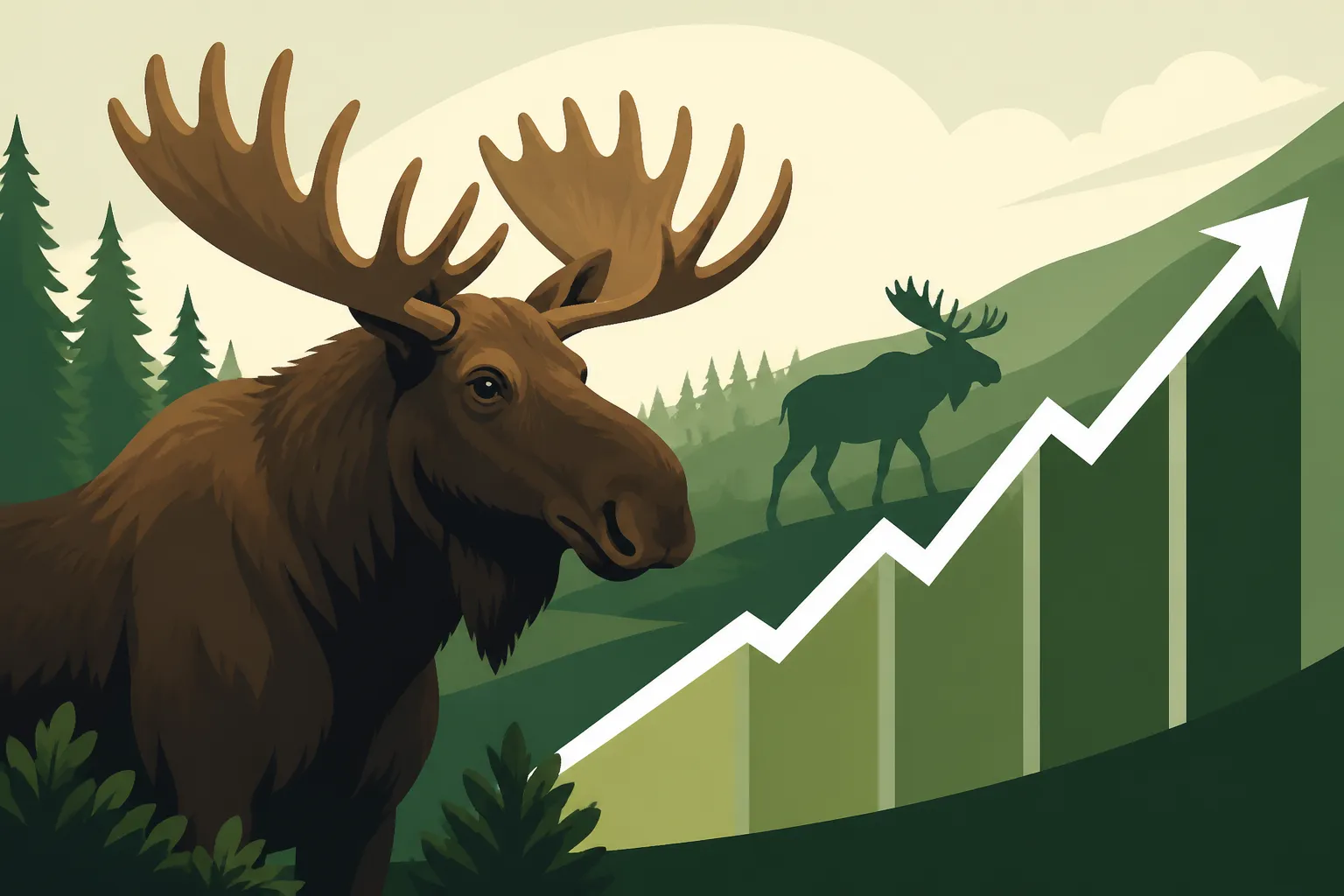
Recent years have brought a glimmer of hope, with some areas showing signs of stabilization or even modest recovery. This isn't a uniform trend across the entire province; some regions are still struggling more than others. The situation is a dynamic one, constantly influenced by a myriad of environmental and human factors, and it requires ongoing vigilance and adaptive management strategies. Understanding this complex history is crucial to appreciating the current state of "Manitoba's Moose Population Trend".
The Impact of Surveys and Monitoring Efforts
To grasp these trends, wildlife managers rely heavily on aerial surveys. These surveys involve flying fixed transects over specific Game Hunting Areas (GHAs) during winter, when snow cover makes moose more visible and deciduous trees are bare. Teams count animals, classify them by age and sex, and look for indicators of herd health. This data is then used to estimate population densities and calculate annual population trends. It's a massive undertaking, often conducted in challenging winter conditions, but it provides the foundational numbers that guide management decisions.
Beyond aerial counts, biologists also analyze harvest data reported by hunters, which gives another snapshot of population health and hunter success. Carcass inspections provide valuable information on age structure, health, and disease prevalence. These efforts help paint a clearer picture of "How Manitoba Counts Its Moose" and are indispensable for tracking shifts in population. Without these dedicated monitoring programs, we’d truly be flying blind, unable to make informed decisions about how to best protect and manage this iconic species.
Key Challenges Facing Manitoba's Moose
The decline in moose populations isn't due to a single culprit but rather a complex interplay of factors, often described as a "perfect storm" that impacts their survival and reproductive success. It’s not just one thing; it’s usually a compounding effect of several stressors that make it tough for moose to thrive.
Disease, Parasites, and Predators
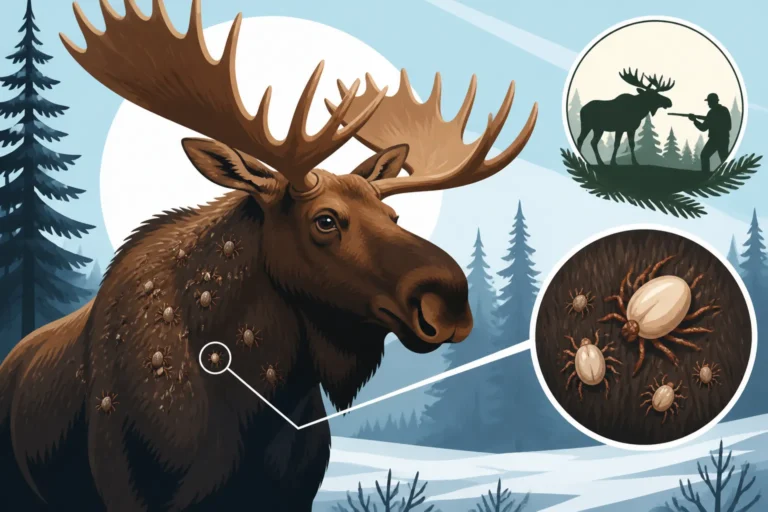
One of the most significant challenges moose face in Manitoba, especially in the central and southern regions, is the impact of winter ticks. These tiny parasites can infest moose in the thousands, leading to severe blood loss, hair loss (as moose try to rub them off, rubbing off their insulating coat in the process), and ultimately, hypothermia and starvation. A heavy tick burden can literally drain the life out of a moose, making them weak and vulnerable. It's heartbreaking to see a "ghost moose" covered in patchy fur, knowing its fate is likely sealed. This phenomenon has been a major factor in "How Winter Ticks Affect Boreal Moose".
Chronic Wasting Disease (CWD), while primarily affecting deer, is another concern that wildlife managers are closely monitoring. Although moose are less susceptible, the presence of CWD in the province raises questions about potential future impacts. Additionally, predation by wolves plays a natural, yet significant, role in moose dynamics. When moose populations are already stressed by other factors, wolf predation can have a more pronounced impact on their overall numbers. While wolves are a natural part of the ecosystem, a weakened moose herd can struggle to withstand even normal predator pressure. Other diseases like brain worm (Parelaphostrongylus tenuis), carried by deer, can also be fatal to moose when they ingest infected snails or slugs while browsing.
Habitat Changes and Environmental Stressors
Moose are creatures of specific habitats, preferring a mosaic of young forests, wetlands, and access to aquatic vegetation. However, significant changes to their habitat have occurred across Manitoba. Extensive logging, while creating some areas of regenerating forest, can also fragment larger tracts of mature habitat crucial for cover and winter forage. Agricultural expansion has eaten away at transitional zones and wetlands, pushing moose into smaller, more isolated pockets of habitat.
Climate change is also throwing a wrench into the works. Warmer winters mean less snow cover in some areas, which might seem beneficial, but it also means ticks can survive and reproduce more effectively, leading to higher infestation rates. Longer, hotter summers can cause heat stress for moose, a large animal not well-adapted to high temperatures, forcing them to expend more energy seeking shade and cooling off, making them less robust going into winter. These environmental shifts are subtle but profoundly impact a moose's ability to find adequate food, shelter, and escape from predators and parasites. Understanding "What Moose Eat Through the Year" is key to appreciating habitat quality.
Human-Related Factors: Past and Present
Historically, unregulated hunting pressure played a role in some early moose population declines. While current hunting regulations are strictly managed and designed to be sustainable, localized overharvesting in the past undoubtedly contributed to the challenges we see today. Poaching, though difficult to quantify, remains a concern, especially in remote areas.
Habitat fragmentation due to human development, roads, and other infrastructure projects also impacts moose. Roads, for instance, not only lead to vehicle collisions but also create corridors that can be exploited by predators, increasing stress on moose populations. While hunting is often the most visible human interaction, these less obvious human pressures also collectively contribute to the struggles moose face. It's a constant balancing act between human activity and the needs of wildlife.
Regional Spotlights: Where Moose are Struggling and Succeeding
Manitoba is a big province, and the experiences of moose populations vary wildly depending on where you are. What's happening in one GHA might be completely different from another, making a blanket assessment impossible. This regional variation is critical for hunters to understand when they're Scouting a Manitoba Game Hunting Area.
The Interlake and Duck Mountain Stories
The Interlake region, specifically GHAs like 13 and 13A, once boasted some of the highest moose densities in the province. Many hunters remember fantastic opportunities there. However, this area experienced one of the most dramatic declines, so severe that the moose season in much of the Interlake has been closed to resident hunting for years. The causes here were a potent mix of winter ticks, brain worm, predation, and habitat changes. It's a stark reminder of how quickly a population can plummet when multiple stressors align. This closure, part of "Manitoba's Moose Conservation Closures", was a tough but necessary decision to give the remaining animals a chance to recover. The struggle in this area is a prime example of "Why Manitoba Moose Numbers Fell".
Similarly, the Duck Mountain Provincial Forest (GHA 18, 18A, 18B, 18C, 18D) saw significant declines, also leading to prolonged season closures. This area, known for its rugged terrain and beautiful forests, was a traditional moose stronghold. The challenges here mirrored the Interlake in many ways, with disease and parasite loads, combined with predation, severely impacting calf survival and adult moose health. Hunters often ask "What Caused the Duck Mountain Moose Decline?", and it's clear it wasn't a simple answer. While there have been some very cautious signs of improvement in recent years, the recovery is slow and fragile, necessitating continued protection.
Northern Boreal Forests and Recovery Areas
In contrast to the struggles in the south, Manitoba's vast northern boreal forests and Shield Country, particularly GHAs further north and east, generally maintain more stable and robust moose populations. Areas like GHA 14, 15, 16, and some parts of the Eastern Region continue to offer hunting opportunities, albeit under careful management. The colder winters in these regions naturally suppress tick populations, and the immense, less fragmented habitat provides ample forage and cover. While still subject to natural fluctuations and localized pressures, these northern populations haven't experienced the same catastrophic declines seen further south.
These areas are often where "Where Manitoba's Moose Are Recovering" stories are told. They benefit from vast wilderness and lower human population density, which translates to less habitat fragmentation and reduced overall stress on the animals. It's a testament to the resilience of moose when their environment supports them, and it offers a hopeful counterpoint to the more challenging situations elsewhere in the province.
Manitoba's Response: Conservation and Management Strategies
Recognizing the severity of the moose population declines, the provincial government, in collaboration with Indigenous communities and stakeholders, has implemented a variety of conservation and management strategies. These efforts are aimed at stabilizing populations, promoting recovery, and ensuring sustainable hunting opportunities where feasible.
Hunting Restrictions and Conservation Closures
One of the most direct and impactful responses to declining moose numbers has been the implementation of significant hunting restrictions and full season closures in critical areas. As mentioned, much of the Interlake and Duck Mountain regions have seen moose seasons closed to resident hunting for extended periods. These measures, while difficult for hunters to accept, were deemed essential to give stressed populations a chance to rebound without additional pressure. Hunters can check current regulations and GHA status to see "Checking Which Manitoba GHAs Are Closed".
These closures aren't taken lightly; they are based on scientific data from aerial surveys and ongoing monitoring. The hope is that by reducing harvest mortality, the remaining moose can increase their reproductive success and slowly rebuild their numbers. Beyond full closures, other GHAs may have reduced quotas, shorter seasons, or antler restrictions to manage harvest levels carefully. These adaptive management techniques are critical for fine-tuning conservation efforts to specific regional needs.
| Region | Historical Trend (Pre-2000s) | Recent Trend (2010s-Present) | Management Action Examples |
|---|---|---|---|
| Interlake (e.g., GHA 13) | Stable to High | Significant Decline | Full season closures (resident) |
| Duck Mountain (e.g., GHA 18) | Stable to High | Significant Decline | Full season closures (resident) |
| Eastern Region (e.g., GHA 17, 26) | Relatively Stable | Stable | Controlled harvest, monitoring |
| Northern Boreal (e.g., GHA 14, 15) | Stable | Stable | Sustainable quotas, limited access in some areas |
| Western Parkland Fringe | Moderate Decline | Stabilizing | Reduced quotas, draw hunts, careful monitoring |
Habitat Improvement and Research Initiatives
Beyond managing hunting pressure, efforts are also directed at improving and protecting moose habitat. This includes working with forestry companies to ensure logging practices consider moose habitat needs, promoting regeneration of preferred browse species, and protecting critical wintering areas and calving grounds. Large-scale habitat restoration projects, while challenging, are also being explored in some areas.
Research is another cornerstone of these efforts. Scientists are continually studying moose health, disease prevalence, predator-prey dynamics, and the impacts of climate change to better understand the complex factors affecting "Manitoba's Moose Population Trend". This includes studies on specific pathogens like CWD and brainworm, and detailed analysis of winter tick cycles. This ongoing research informs adaptive management strategies, ensuring that decisions are based on the most current scientific understanding. Many conservation organizations, sometimes aided by resources like GoHunt for mapping and land analysis, also contribute to identifying key habitat areas for protection or enhancement.
The Hunter's Role in Moose Conservation
As hunters, we have a vested interest in healthy moose populations. We're often the first to notice changes in the field, and our actions can have a real impact, both positive and negative. Embracing our role as conservationists is vital for the future of moose hunting in Manitoba.
Ethical Practices and Regulatory Compliance
Adhering strictly to hunting regulations is paramount. This means knowing your GHA boundaries, understanding specific season dates, respecting bag limits, and ensuring you have the correct "Manitoba Hunting Licences and What They Cost". It also means correctly validating your tag immediately after a harvest, as required by Manitoba Tag Validation Rules. Beyond the letter of the law, ethical hunting means making clean shots, pursuing wounded animals diligently, and ensuring no meat is wasted. Wasting game meat is not only illegal but goes against the core tenets of responsible hunting.
Responsible hunters are also the eyes and ears of wildlife management. If you see signs of disease, unusual animal behavior, or potential poaching activity, reporting it to a conservation officer is crucial. Your observations from the field provide valuable real-time data that complements scientific surveys and helps managers respond quickly to emerging issues. This commitment to ethical hunting and strict compliance with regulations helps ensure that hunting remains a sustainable and respected activity.
Contributing to Data Collection and Monitoring
Hunters can directly contribute to conservation efforts by participating in mandatory and voluntary reporting programs. In some GHAs, submitting a hunter return is required, providing crucial data on harvest numbers, effort, and success rates. In areas where CWD sampling is mandatory, submitting your moose head for testing is a vital step in monitoring the spread of this disease, even though moose are less commonly affected. Understanding "Manitoba's CWD Sampling Requirements" and how to properly extract a sample is critical.
Beyond formal requirements, many hunters voluntarily provide information to wildlife officials, reporting sightings of moose, particularly cows with calves, or noting unusual observations. This grassroots data collection can provide valuable insights into local population health and distribution. Every piece of information, no matter how small it seems, helps build a more complete picture of the challenges and successes in moose conservation. By being engaged and responsible, we can all contribute to a brighter future for Manitoba's moose.
Disclaimer
The information provided in this guide is for general informational purposes only and does not constitute legal advice. Hunting regulations in Manitoba can change, and it is the responsibility of every hunter to consult the most current version of the Manitoba Hunting Guide and relevant provincial and federal legislation before engaging in any hunting activities. Always prioritize safety and ethical practices in the field.