Hunting a Summerfallow Field Border
The frustration is real: you spend hours scouting prime whitetail habitat, only to watch deer vanish into impenetrable standing crops or thick bush, leaving you wondering where they even went. But there’s a secret, often overlooked sweet spot in Manitoba’s agricultural landscape that offers incredible hunting opportunities, especially for whitetails: the humble summerfallow field border. This guide will walk you through exactly how to effectively hunt these productive edges.
Understanding the Summerfallow Field Border Advantage
Many hunters drive right past summerfallow fields, dismissing them as barren or unproductive. But these seemingly empty tracts of land, kept out of production for a season or two to conserve moisture and improve soil health, actually create unique micro-habitats and travel corridors that deer, especially whitetails, absolutely depend on. They are far from barren; they are strategic pathways and staging areas.
What Exactly is Summerfallow?
At its core, summerfallow is farmland that a farmer intentionally leaves unseeded for a growing season. Instead of planting crops, they work the land, typically with tillage, to control weeds and build up soil moisture and nutrients for future crops. While this might sound like a wildlife desert, it's actually quite the opposite in many scenarios. The absence of tall, dense crops means visibility can be excellent, creating a unique hunting dynamic where you can spot deer moving in and out of cover from a distance. However, it also means deer are more exposed, making their movements highly predictable around these edges.
Why Deer Love Summerfallow Edges
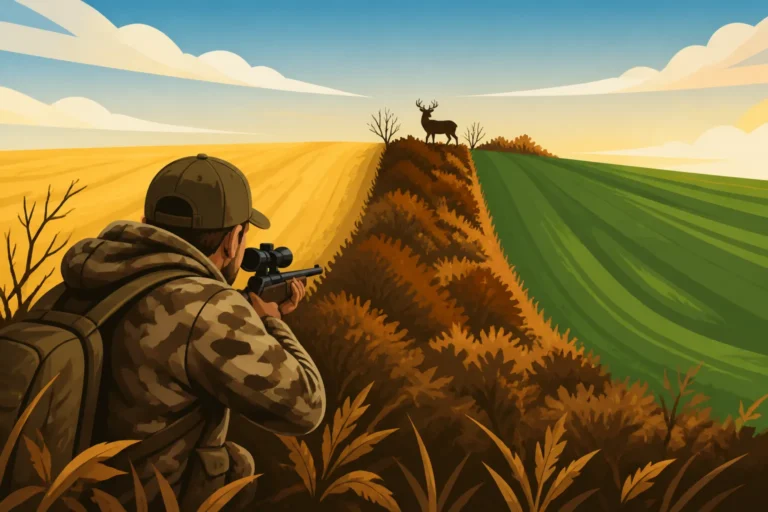
Deer, particularly whitetails, are creatures of habit and efficiency. A summerfallow field border provides a perfect blend of security, travel routes, and often, residual food sources. Think about it: one side might be a dense bush line or standing corn, offering thick cover. The other side is open summerfallow. Deer will often skirt these edges, feeling safe with the thick cover immediately adjacent, yet gaining ground efficiently without busting through dense vegetation. They’ll use these borders for travelling between bedding areas in the bush and feeding areas in nearby crop fields. The subtle weed growth that inevitably pops up, despite tillage, can also offer a surprising amount of forage, like tender young shoots or leftover grain from previous seasons, especially if the tillage isn't super aggressive. Furthermore, a long stretch of summerfallow can act as a natural funnel, directing deer movement into specific pinch points where you can anticipate their crossing.
Scouting the Productive Edges of Summerfallow
Effective hunting always begins with thorough scouting, and summerfallow field borders are no exception. You can't just pick any edge; you need to find the right edge that deer are actively using. This involves a combination of satellite imagery and boots-on-the-ground investigation.
Reading the Ground for Whitetail Sign
When you walk a summerfallow field edge, you're looking for a story written in the dirt. Fresh tracks are your most obvious clue. Pay attention to their direction and frequency. Are they coming out of the bush and heading into a standing crop field, or vice-versa? Look for signs of distinct trails, even faint ones, where deer consistently travel. These will often be slightly depressed paths, especially near pinch points.
Beyond tracks, look for other whitetail sign. Rubs on small trees or saplings along the bush line indicate a buck has been marking his territory. Scrapes, particularly during the rut, will be small, pawed-out areas of bare earth with an overhanging branch, often found right along the edge where the bush meets the field. Droppings are another clear indicator of deer presence and can even tell you roughly how recently deer have been using the area – fresh, moist droppings are a good sign. Don't forget to check for old sheds if you're scouting in spring or late winter; finding them confirms historical use by antlered deer. Remember, deer are most active around dawn and dusk, so fresh sign is usually created within those windows.
Identifying Key Travel Corridors and Pinch Points
Satellite imagery, whether through Google Maps or specialized hunting apps like GoHunt, is an invaluable tool for identifying potential hotspots without setting foot on the property. Look for features that intersect or run alongside summerfallow fields:
- Bluff between two fields: A small treed area between two fields can act as a natural bridge. See Hunting a Bluff Between Two Fields for more on this.
- Willow runs: Thickets of willow or aspen, even if narrow, provide excellent cover and travel routes. A good resource is Hunting a Willow Run for Whitetails.
- Fence lines: Old fence lines, especially if overgrown, offer a perceived sense of security for deer to travel along.
- Drainage ditches or small coulees: Even a slight depression can offer a discreet travel route.
- Points or fingers of bush: Where the bush line juts out into the field, or where two different types of cover meet, can be a great place for an ambush.
- Water sources: If there’s a slough or a small pond nearby, especially in drier years, deer will use the summerfallow edge to access it. Consider Hunting a Frozen Slough Crossing if scouting during winter.
The goal is to find where these features create a "pinch point" – a natural funnel where deer are forced into a narrower travel corridor. A classic example is a narrow strip of bush bordered by a summerfallow field on one side and a standing crop field on the other. Deer moving from bedding to feeding will almost certainly pass through that choke point.
Setting Up for Success Along the Border
Once you've identified a promising summerfallow field border and the specific areas deer are using, your next step is strategic setup. This is where your planning truly pays off, combining knowledge of deer behaviour with smart stand placement and timing.
Stand Placement and Wind Direction
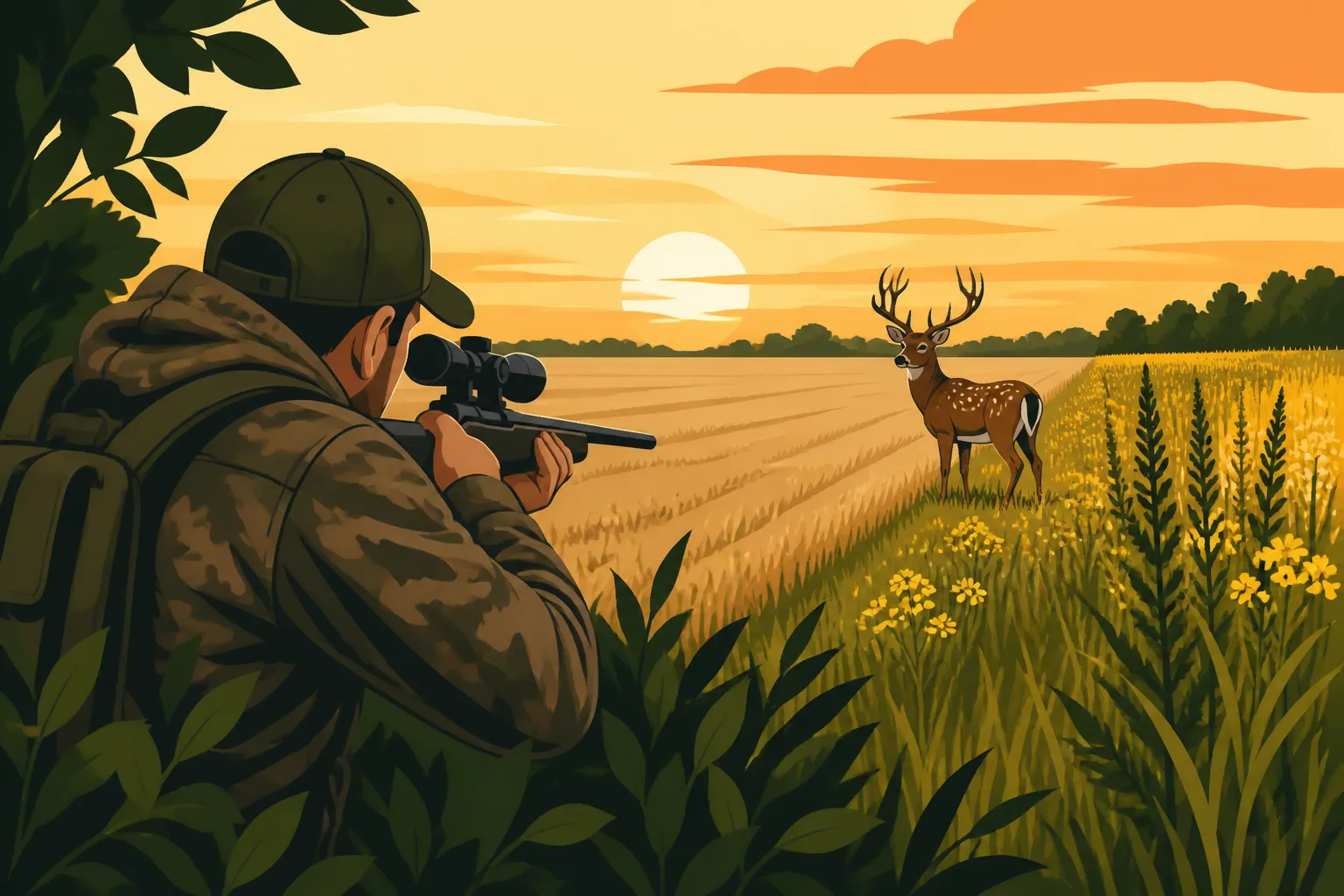
Choosing the right stand location is critical. For summerfallow edges, you generally want to be positioned inside the adjacent cover – whether it's the bush line, a shelterbelt, or a cluster of larger trees – looking out towards the field. This provides you with natural concealment while giving you a clear view of the travel corridor. Your stand should be high enough to offer a good shot angle and minimize your silhouette, typically 15-20 feet for an elevated treestand. If using a ground blind, ensure it's well brushed in and has been in place for a while to allow deer to get used to its presence.
The prevailing wind is your absolute top priority. Deer rely heavily on their sense of smell, so always set up with the wind in your face or quartering away from where you expect deer to approach. For instance, if deer are entering the field from the west and the wind is from the north, you'd want to be on the north side of their trail, with your scent blowing parallel to or away from their approach. Always have multiple stand locations or at least primary and secondary spots for different wind directions. You don't want to blow out a promising area because of a bad wind. For specific GHA dates, consult Manitoba Whitetail Season Dates by GHA to time your hunt.
Timing Your Hunt: Mornings, Evenings, and the Rut
Hunting summerfallow field borders is all about timing. Generally, early mornings and late evenings are the most productive. In the morning, deer will be moving from the feeding areas in adjacent crop fields back to their bedding cover in the bush. In the evening, they'll be doing the reverse. Position yourself accordingly: if you expect them to move from west to east in the morning, be set up on their eastern exit route.
The rut, generally peaking in early to mid-November in Manitoba, can drastically increase deer activity along these edges. Bucks will cruise these corridors looking for does, and does will be more active as they try to avoid or find bucks. This is an excellent time to try rattling or grunt calls, as bucks can often be seen or heard moving along the open edge of the summerfallow. Remember to consider Hunting the Rut in Early to Mid November As the season progresses into late December, deer might start yarding up, and movements could become more concentrated, especially in areas with limited cover, making these edges even more important.
Effective Tactics and Considerations
Hunting summerfallow field borders isn't just about setting a stand and waiting. It involves a suite of tactics and an understanding of how deer react to pressure and changing conditions.
Still Hunting and Spot-and-Stalk
While stand hunting is often the most productive method, still hunting along the edge of a summerfallow field can also be highly effective, especially if you have a lot of ground to cover or are hunting in an area with less pressure. The key to successful still hunting is to move extremely slowly, pausing frequently (often for 5-10 minutes at a time) to scan the field and the adjacent cover. Use binoculars constantly. Move against the wind, using any available cover (tall grasses, small bushes, slight dips in the terrain) to break up your outline. This method requires patience and a keen eye, as deer can blend into the background surprisingly well even in open areas. Spot-and-stalk can also work if you spot deer at a distance in the open summerfallow. Plan your approach carefully, using terrain features to stay out of sight, and be prepared to move quickly and quietly when the opportunity arises. Apps like GoHunt can help you visualize the terrain for stalking routes.
Calling Tactics and Decoy Use
Deer calls can be incredibly effective when hunting summerfallow field borders, especially during the rut. A buck grunt call can pique the curiosity of bucks cruising the edges, often bringing them into view. Fawn bleats can sometimes attract does, and by extension, any bucks trailing them. Rattling antlers, mimicking a buck fight, can be a game-changer when combined with good visibility across a summerfallow field. A buck that hears sparring might come to investigate, thinking there's an easy win or an opportunity with a doe. Ensure your rattling volume is appropriate for the open terrain.
Consider using a decoy, particularly a doe decoy, facing away from your position, to draw bucks into range. Position it in the summerfallow field where it's highly visible. Just be sure of your backdrop and what's beyond the decoy for safety. Decoys work best when paired with calling. Remember that legal rules on baiting big game might affect how you integrate any attractants, so always check local regulations.
Dealing with Hunting Pressure and Changing Conditions
Summerfallow field borders, while productive, can also be areas of higher hunting pressure, especially if they are easily accessible. Deer will quickly learn to avoid areas with constant human disturbance. If you notice signs of other hunters (tracks, old stands, vehicle activity), consider moving to a less pressured section or changing your tactics. This might mean hunting tighter to bedding cover or waiting until midday when other hunters have left.
Changing weather conditions also play a huge role. After a fresh snow, deer movement becomes much more evident. Reading Sign After a Fresh Snow can help you decipher these new clues. High winds can make deer feel more exposed, pushing them deeper into cover, but they can also mask your sound. Rainy days often mean less human activity, which can be a good time to hunt, as deer are still moving. Always dress for the weather and be prepared to sit for extended periods, even when Hunting Safely in Deep Winter Cold. Sometimes, the only way to get a shot at a wary buck is by Sitting All Day in a Manitoba Blind.
Table: Pros and Cons of Hunting Summerfallow Borders
| Aspect | Pros | Cons |
|---|---|---|
| Visibility | Excellent for spotting deer at a distance, anticipating movement. | Deer also have excellent visibility, making them wary of exposed hunters. |
| Deer Activity | High usage as travel corridors between bedding and feeding. | Can attract higher hunting pressure due to accessibility and perceived ease. |
| Food Source | Residual grain and weed growth provide opportunistic feeding. | Not typically a primary feeding ground, usually secondary to crop fields. |
| Concealment | Adjacent bush lines offer good cover for stand placement. | Open fields offer little cover for still hunting or stalking. |
| Scouting Ease | Tracks and sign are easily visible in bare soil. | Wind can quickly erase sign; rain can make tracking difficult. |
| Calling Potential | Open sightlines enhance the effectiveness of visual calls/rattling. | Deer can pinpoint sound source more easily; requires careful execution. |
| Accessibility | Often found on farmland, which can be easier to access (with permission). | Can be exposed to road traffic or other disruptions. |
Disclaimer
Hunting is an inherently risky activity. Always prioritize safety, follow all local and federal hunting regulations, and respect private property. The information provided in this guide is for informational purposes only and should not replace proper hunter education or professional guidance. Stay safe and happy hunting!