Red Flags in an Outfitter’s Website
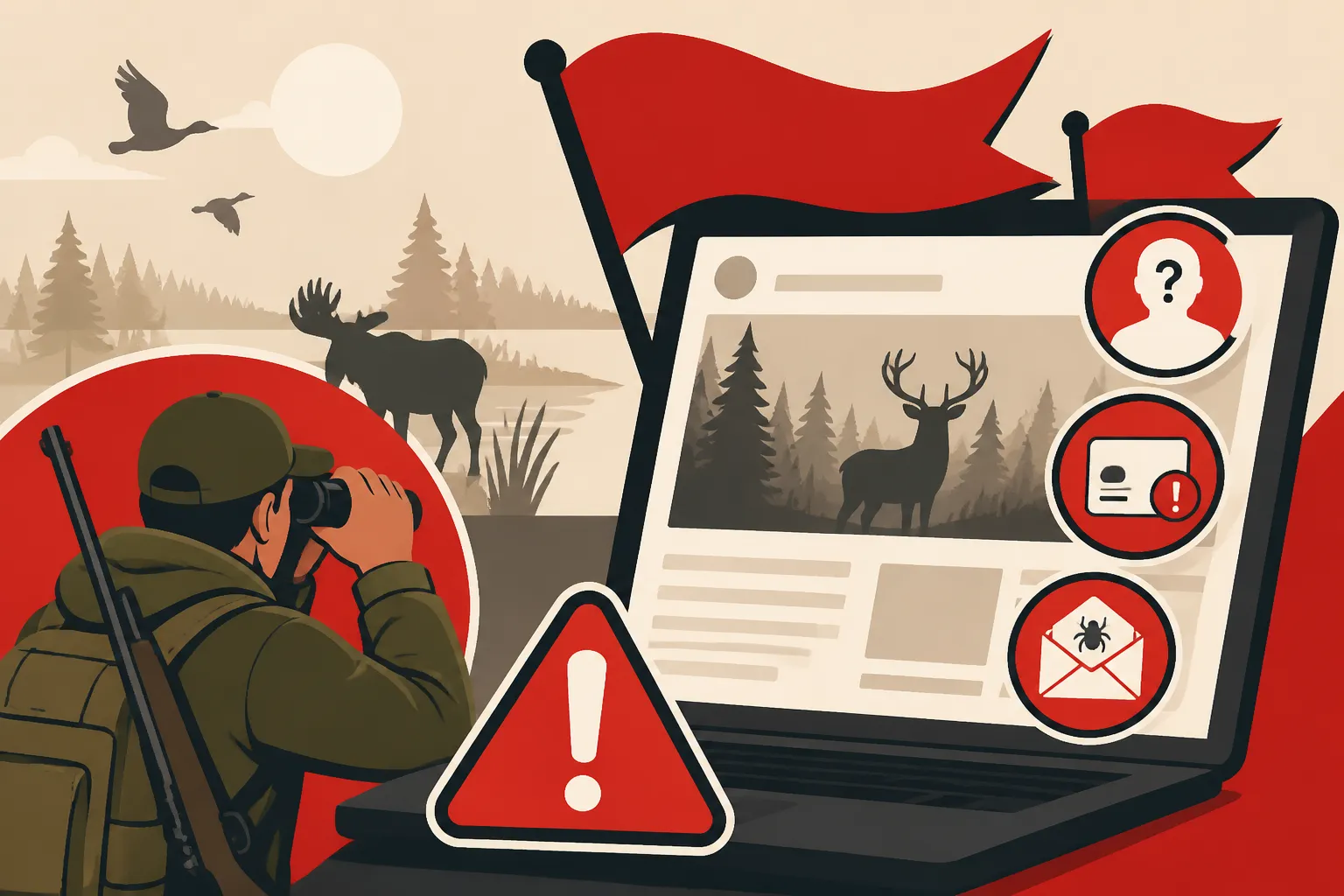
Planning a Manitoba hunting trip is a huge undertaking, full of excitement and anticipation. You spend hours poring over maps, dreaming of big game, and imagining the crisp autumn air. But nothing derails that dream faster than stumbling upon an outfitter's website that just feels…off. It's a gut feeling, a nagging suspicion that something isn't quite right, and recognizing these "red flags" early can save you from a costly and deeply disappointing experience. This guide will walk you through exactly what to look for and how to trust your instincts when vetting potential outfitters online.
The Allure of a Dream Hunt vs. Reality Check
We all envision that perfect hunt – the trophy animal, the comfortable camp, the knowledgeable guide. Outfitters know this, and their websites are designed to capture that dream. But it’s crucial to approach these online presentations with a healthy dose of skepticism, because beneath the glossy photos, some operations might not live up to their promises.
Why Website Scrutiny is Your First Line of Defense
Your hard-earned money and precious vacation time are on the line, and for many of us, a guided hunt is a significant investment. The outfitter's website is often your very first interaction with their business, acting as a digital storefront. It’s where they present their brand, their services, and their perceived professionalism. Think of it as your initial scouting mission – you're looking for signs of quality, reliability, and honesty, just as you'd look for game sign in the bush. A well-maintained, transparent, and informative website reflects an organized and reputable business. Conversely, a sloppy or evasive online presence can be a huge indicator of what might be waiting for you in camp.
The Cost of a Bad Outfitter Experience
Beyond the financial hit, which can be substantial when you consider the cost of licences, tags, travel, and the outfitter's fee itself, a bad outfitting experience carries a heavy emotional toll. Imagine saving for years, taking time off work, and travelling a long distance, only to arrive and find a disorganized camp, unprofessional guides, or hunting opportunities far below what was advertised. It's not just a wasted vacation; it's a broken dream. There’s the frustration of lost time, the disappointment of unfulfilled expectations, and in the worst cases, potential safety concerns or ethical breaches. A less-than-stellar experience can sour your taste for hunting for a long time, and that's a cost that money can't always replace.
Obvious Red Flags: What Should Immediately Raise an Eyebrow
Some warning signs are glaringly obvious and should make you hit the back button on your browser faster than a whitetail snorts at a scent wick. These are the "too good to be true" claims or the fundamental oversights that scream unprofessionalism.
Lack of Specificity and Vague Promises
One of the biggest red flags is a website that talks a big game but provides precious little in the way of concrete details. They might promise "world-class trophy hunting" or "unforgettable adventures" but fail to mention which specific Game Hunting Areas (GHAs) they operate in, what the typical success rates are for their area, or specific details about the type of hunting (e.g., ground blinds, tree stands, spot and stalk).
For instance, an outfitter might plaster their site with pictures of massive whitetails, but never actually state that those animals came from their specific hunting grounds or even from Manitoba. Reputable outfitters will often specify their GHAs, like "operating in GHA 21A and 21B," and provide realistic expectations for hunters. If they offer "guaranteed success" without any caveats about hunter effort, weather, or fair chase, that should immediately make you suspicious. True hunting success is never guaranteed, and any outfitter claiming otherwise is likely overpromising. You'll want to read about Manitoba Outfitters Who Guarantee Nothing to get a realistic perspective on this.
Outdated Information or Broken Links
A website that looks like it was designed in the early 2000s and hasn't been updated since is a huge warning sign. Look for:
- Outdated Season Dates: If the website lists season dates for a year that's already passed or years ago, it shows a severe lack of attention to detail and current regulations.
- Non-functional Contact Forms or Email Addresses: If you try to reach out and your message bounces back, or the contact form leads nowhere, how are you supposed to book or get information?
- Broken Photo Galleries or Missing Pages: A website riddled with "404 Not Found" errors or photo galleries that don't load suggests neglect. It hints that the outfitter might be just as neglectful in other aspects of their business, including your hunt.
- Generic Blog Posts: If they have a blog, but the last entry was three years ago and it's full of generic content, it implies a lack of active engagement with their business and clients.
These small details might seem minor, but they paint a picture of a business that isn't actively managing its online presence, which could extend to their actual operations.
No Clear Pricing Structure or Payment Details
This is a deal-breaker for many hunters. While some outfitters prefer to discuss specific package details over the phone, a complete absence of any pricing information or even a range of costs on their website is problematic. You should at least see different packages or general pricing tiers.
- "Call for Rates" for everything: While acceptable for highly customized trips, if all pricing requires a phone call without any preliminary information, it can be a way to avoid transparency or to give different prices to different callers.
- Vague Deposit and Cancellation Terms: How much is the deposit? Is it refundable? What are the cancellation policies? These crucial details should be clearly laid out. A lack of this information leaves you vulnerable if circumstances change.
- Undefined Inclusions/Exclusions: Does the price include licences and tags? Food and lodging? Transportation from the nearest airport? Taxidermy or meat processing? If these aren't specified, you could be in for a lot of hidden costs. It's worth comparing with articles like What a Manitoba Guided Hunt Costs to get a baseline for expectations.
A reputable outfitter wants you to be informed about the financial commitment upfront. Obscuring this information is a major red flag.
Over-the-Top Claims and Unrealistic Photos
While outfitters want to showcase their best, some go beyond enthusiasm into the realm of the unbelievable.
- Hyperbolic Language: Be wary of excessive use of superlatives like "biggest," "best," "easiest," or "never-fail." No outfitter consistently provides an effortless, record-breaking hunt every single time.
- Photoshopped or Generic Images: Look critically at the photos. Do they look too perfect? Are the colours oversaturated? Sometimes, outfitters use stock photography or images from other regions entirely. Real hunting photos often show grit, sweat, and genuine emotions, not always magazine-perfect poses. If the background looks suspiciously like somewhere else entirely, it's a problem.
- Lack of Diverse Content: If every photo features an identical-looking, enormous rack, it might be curated to look better than reality. Seek out a variety of photos – camp life, guides interacting with hunters, different animals, and varied landscapes that genuinely reflect Manitoba's hunting environment.
Remember, if something seems too good to be true, it almost always is.
Subtle Red Flags: Reading Between the Lines
Beyond the obvious, there are often more subtle clues that a website might not be representing a truly reliable outfitter. These require a bit more discernment and attention to detail.
Generic Stock Photography or No Hunter Photos
It’s one thing to have a few nice, professional shots mixed in, but if an entire website is filled with generic stock photos of hunters in perfect camo, immaculate camps, or animals that clearly weren’t harvested in Manitoba, that’s a concern. Even more so if there are very few, or no, actual photos of clients with their animals or of the guides themselves.
Real hunters want to see real hunts. They want to connect with the experience. If an outfitter doesn't showcase actual successful clients, their guides, or the genuine conditions of their camp and hunting grounds, it could mean they either don't have good experiences to share, or they're trying to hide something. A truly proud outfitter will have a vibrant gallery of client photos, showing a range of successful hunts and happy faces. This also helps you gauge the quality of game in their area, giving you a better understanding of what to expect on a Booking a Manitoba Whitetail Hunt or other species-specific trips.
Scarcity of Contact Information or Unprofessional Communication
How easy is it to get in touch? Does the website offer multiple ways to contact them – phone, email, maybe even a physical address? If all you can find is a generic email address, or worse, if that email address leads to no response, that's a problem.
- Limited Contact Options: A reputable business typically provides a phone number, an email, and often a physical address or at least a general region of operation. If they're hard to pin down, it's a sign they might be difficult to work with later.
- Slow or Unprofessional Responses: Once you do make contact, pay attention to the speed and professionalism of their reply. Are they answering your questions thoroughly? Is the language clear and courteous, or filled with grammatical errors and a dismissive tone? If communication is poor during the booking process, imagine what it will be like if an issue arises during your hunt.
- No "About Us" Page: A good outfitter website will have a page introducing their team, their history, and their philosophy. This helps build trust. A complete lack of personal information means you don't know who you're dealing with.
Discrepancies in Licensing or Regulatory Claims
Manitoba has specific requirements for outfitters and guides, especially for non-resident hunters. If an outfitter's website makes claims that seem to contradict the provincial regulations, or if they avoid mentioning licensing altogether, that's a serious red flag.
- Vague Guide Qualifications: Do they talk about their guides being "experienced" but offer no specifics about their training, certifications, or local knowledge? You should expect guides to be well-versed in What a Licensed Manitoba Guide Provides.
- Ignoring Non-Resident Requirements: For instance, foreign residents generally require a licensed outfitter for certain big game species in Manitoba. If an outfitter’s website implies non-residents can simply show up and hunt independently for these species without a guide, it’s a big problem.
- Absence of GHA Information: As mentioned, knowing the specific Game Hunting Areas an outfitter operates in is vital. This allows you to cross-reference with official Manitoba hunting regulations and season dates.
Always be prepared to Checking a Manitoba Outfitter Licence yourself if you have any doubts. This diligence ensures you're dealing with a legitimate operation that adheres to all local laws.
Absence of Essential Trip Planning Information
A truly client-focused outfitter understands that booking a hunt involves a lot of planning, especially for those travelling from afar. Their website should offer practical information beyond just the hunt itself.
- Travel Logistics: Is there information about the nearest airport, how to get to camp, or what kind of transportation is involved once you arrive?
- Accommodation Details: What are the sleeping arrangements like? Are there showers, heat, electricity? Are meals provided, and what kind of food can you expect?
- Pre-Trip Preparation: A good outfitter will provide guidance on what to pack, considerations for Meat Care in Manitoba's Cold Snaps, or rules regarding Bringing Firearms Into Manitoba.
- Wildlife and Environment Details: Do they offer insights into the local species, terrain, and typical weather conditions for your hunt period? This shows they know their area and want to prepare you.
If these crucial details are missing, it indicates either a lack of foresight on the outfitter's part or an unwillingness to transparently share the reality of their operation.
Unexplained Low Prices
While a good deal is always welcome, suspiciously low prices compared to other outfitters in the same region or for similar hunt packages should make you pause. There's often a reason why a price is significantly lower.
- Cutting Corners: Lower prices can sometimes mean compromises on safety, guide experience, equipment quality, or even food and lodging. Is the outfitter skipping necessary maintenance on vehicles, hiring inexperienced guides, or serving substandard meals to save a buck?
- Hidden Costs: A low advertised price might be a hook, with numerous "extras" adding up significantly once you're committed. Always ask for a complete breakdown of costs, ensuring you understand what is included and what will be an additional charge.
- Poor Success Rates: Sometimes, a low price reflects a lower chance of success, or an outfitter operating in an area with less abundant game. While success is never guaranteed, you want to ensure you're getting a fair opportunity for your investment.
Always remember that quality experiences often come with a reasonable price tag. Be wary of deals that seem too good to be true, and don't hesitate to ask detailed questions about what makes their prices so different.
Leveraging Tools to Verify and Research
Spotting red flags is the first step; the next is actively verifying information and doing your due diligence. You have powerful tools at your disposal to dig deeper and gain confidence in your choice.
Cross-Referencing with Official Sources
Don't just take the outfitter's word for it. Manitoba has official resources that can help you verify legitimacy.
- Government Hunting Guides: Always consult the most current Manitoba Hunting Guide published by the provincial government. This document outlines all regulations, season dates, and specific requirements for outfitters and hunters. If an outfitter's website contradicts anything in the official guide, it's a huge problem.
- Official Outfitter Lists: Check if the outfitter is officially listed and licensed by the province. While a list might not be exhaustive or instantly updated, it's a good starting point. This is part of Checking a Manitoba Outfitter Licence.
- Online Platforms: Websites like BookYourHunt and GoHunt can be excellent initial resources. While they connect hunters with outfitters and often feature reviews, always remember that their listings are commercial, and you should still perform your independent verification. Use them to discover potential outfitters, but then go directly to the outfitter's site and other independent sources for deeper research. These platforms can offer a convenient overview but are not a substitute for your personal investigation.
Seeking Reviews and References
Beyond the outfitter's own testimonials page (which will, naturally, only show positive feedback), seek out independent reviews.
- Third-Party Review Sites: Look for reviews on independent hunting forums, social media groups, and review platforms. Be aware that not all online reviews are trustworthy, so look for consistent themes, detailed accounts, and photos. Learn how to navigate these by Reading Outfitter Reviews Honestly.
- Request References: A reputable outfitter will gladly provide a list of past clients you can contact. Make sure to actually call these references. Ask specific questions:
- What was their overall experience like?
- Did the outfitter deliver on promises?
- How was the camp, food, and guide?
- What was the actual hunting pressure like?
- Would they hunt with this outfitter again?
- Were there any unexpected costs or issues?
- Hunting Community Networks: Tap into your network of hunting friends, local clubs, or online communities. Personal recommendations (and warnings) are incredibly valuable.
Direct Communication and Specific Questions
Once you've done your preliminary research, formulate a detailed list of questions and engage directly with the outfitter. This isn't just about getting answers; it's about observing their responsiveness and professionalism.
- Ask for Specifics: Don't be afraid to ask about specific GHAs, typical hunting methods, Manitoba Rules on Baiting Big Game if relevant, average animal size, guide-to-hunter ratios, and emergency procedures. Check out Questions to Ask Before Booking for a comprehensive list.
- Gauge Responsiveness: Do they reply promptly? Are their answers thorough and clear, or vague and evasive?
- Look for Consistency: Does their communication align with what you've seen on their website and in reviews? Any major discrepancies should raise a red flag.
- Discuss Manitoba Guide Insurance and Liability: A professional outfitter should be able to speak confidently about their safety protocols and insurance coverage.
Your direct interaction is a critical part of vetting. It helps you understand not just what they offer, but how they operate as a business. This is all part of a larger process on How to Vet a Manitoba Outfitter.
Red Flag Checklist for Outfitter Websites
To make your vetting process a little easier, here's a quick summary of common red flags and what they might indicate.
| Red Flag | What It Might Indicate | What to Do |
|---|---|---|
| Vague Promises / No Specifics | Overpromising, lack of local knowledge, or hiding actual conditions. | Ask for GHA, hunting method, and realistic success rate details. |
| Outdated Info / Broken Links | Neglect, unprofessionalism, or a business that isn't actively operating. | Check recent updates, contact info, and active social media. |
| No Clear Pricing / Hidden Costs | Lack of transparency, potential for inflated costs, or disorganization. | Request an itemized quote, ask about all inclusions/exclusions, and cancellation policy. |
| Over-the-Top Claims / Fake Photos | Exaggeration, misleading advertising, or not operating legally/ethically. | Critically examine photos; look for real client images and realistic claims. |
| Generic Stock Photos Only | Lack of real client experiences, or trying to mask poor conditions/harvests. | Seek out independent client photos and testimonials. |
| Poor/Missing Contact Info | Unprofessionalism, difficulty reaching them, or trying to avoid accountability. | Test contact methods; observe communication quality and speed. |
| Regulatory Discrepancies | Operating outside legal guidelines, risking your hunt, or misrepresenting guide qualifications. | Cross-reference with Manitoba's official hunting regulations and outfitter lists. |
| Lack of Trip Planning Details | Inexperience, disorganization, or not prioritizing client preparation. | Ask for packing lists, camp details, and travel logistics. |
| Unusually Low Prices | Cutting corners on safety, quality, or hidden fees. | Compare prices, question what's included, and look for a catch. |
Conclusion
Finding the right outfitter for your Manitoba hunting adventure takes time and careful consideration. It’s not just about finding a good deal, but about investing in a safe, ethical, and fulfilling experience. By familiarizing yourself with these red flags – both the obvious and the subtle – and committing to thorough research, you can significantly reduce your risk of disappointment. Trust your instincts, ask tough questions, and remember that a truly professional outfitter will welcome your scrutiny because they have nothing to hide. Happy hunting!
Disclaimer
This article is for general informational purposes only and does not constitute professional advice. Laws, prices and regulations vary by location and change over time. Consult a qualified professional for guidance on your specific situation.