Asking a Manitoba Landowner for Permission
One of the most persistent frustrations for hunters in Manitoba is the constant challenge of finding accessible land, especially when prime hunting spots often lie on private property. It can feel like an impossible maze, navigating property lines and the daunting prospect of approaching strangers. This guide is here to walk you through the often-intimidating process of asking Manitoba landowners for hunting permission, helping you build respectful relationships and open up new hunting opportunities.
Understanding Manitoba's Trespass Laws Before You Knock
Before you even think about setting foot on someone's property, or even knocking on their door, it's absolutely critical to understand the legal landscape in Manitoba regarding private land and hunting. Ignorance of the law is never an excuse, and a misstep here can quickly sour any chance of gaining permission, or worse, land you in legal trouble. Respecting the law is the foundational step to becoming a welcome guest.
The Legalities of Private Land Access
In Manitoba, the default position for private land is that permission is required for entry. This isn't like some jurisdictions where land must be explicitly posted "No Trespassing" to prohibit entry. Here, any privately owned land, whether it's a sprawling grain field or a small woodlot, requires the express permission of the owner or occupier before you can legally hunt, track game, or even retrieve a downed animal. This is a fundamental aspect of Manitoba Trespass Law for Hunters and it's designed to protect landowners' rights and ensure responsible access.
Think about it from the landowner's perspective: their property is their livelihood, their home, their sanctuary. They don't want unexpected visitors, especially those carrying firearms, without their knowledge or consent. This is why a proactive and respectful approach to seeking permission is not just good manners, it's a legal necessity. Always carry your Manitoba Resident Hunting Licence Cost and any relevant tags, ready to present them if asked, as proof that you are a legal and licensed hunter.
Posted vs. Unposted Land: What You Need to Know
While all private land in Manitoba generally requires permission, understanding the difference between posted and unposted land is still important for context.
- Posted Land: When land is clearly marked with "No Hunting," "No Trespassing," or "Private Property" signs, the landowner has made their wishes abundantly clear. Attempting to gain access to such land, even if you planned to ask for permission, is generally a poor idea and shows a lack of respect for their stated boundaries. It's often best to simply move on and focus your efforts elsewhere. These signs aren't just suggestions; they are explicit declarations. You can find more details about Manitoba Posted Land and Signage Rules in the hunting regulations.
- Unposted Land: This is where many hunters make assumptions, often to their detriment. Just because a field or bush lot isn't plastered with "No Hunting" signs doesn't mean you don't need permission. It absolutely does. The absence of a sign only means the landowner hasn't felt the need to post one, or perhaps hasn't gotten around to it. It does not imply open access. This is the land where your efforts to gain permission can truly shine, provided you approach it correctly and understand that their unstated permission is still required.
So, the golden rule remains: if it's not Crown Land, you need permission. There are specific rules that outline Manitoba Landowner Permission Law, and understanding them will keep you on the right side of things and build a reputation as a responsible hunter.
The Art of the Ask: Approaching Landowners with Respect
Once you've done your homework on the legalities, the real work begins: the approach itself. This is where many hunters stumble, either by being too timid, too aggressive, or simply unprepared. Asking for permission is a social interaction, and like any good interaction, it requires preparation, politeness, and a genuine willingness to listen.
Best Times and Methods for Contact
Timing is everything when you're trying to connect with busy landowners. Showing up at an inconvenient moment can instantly put them on the defensive and dramatically reduce your chances of success.
- When to Go:
- Off-Season is Best: Ideally, make your inquiries well before hunting season begins. August or early September is often perfect for fall hunts, giving landowners time to consider your request without the pressure of the season rush. If you're asking for a spring bear hunt, try in late winter or early spring. This shows foresight and consideration.
- Mid-Morning or Late Afternoon: Avoid meal times (noon, supper) and very early mornings or late evenings when people are often getting ready for work or winding down. Mid-morning (around 10 AM) or late afternoon (3-5 PM) are generally safer bets.
- Weekdays vs. Weekends: Weekdays can be good if you catch them during a lull, but weekends often find people home. Use your judgment based on their apparent activity. If they're out in the field on a tractor, don't interrupt them; try later.
- How to Go:
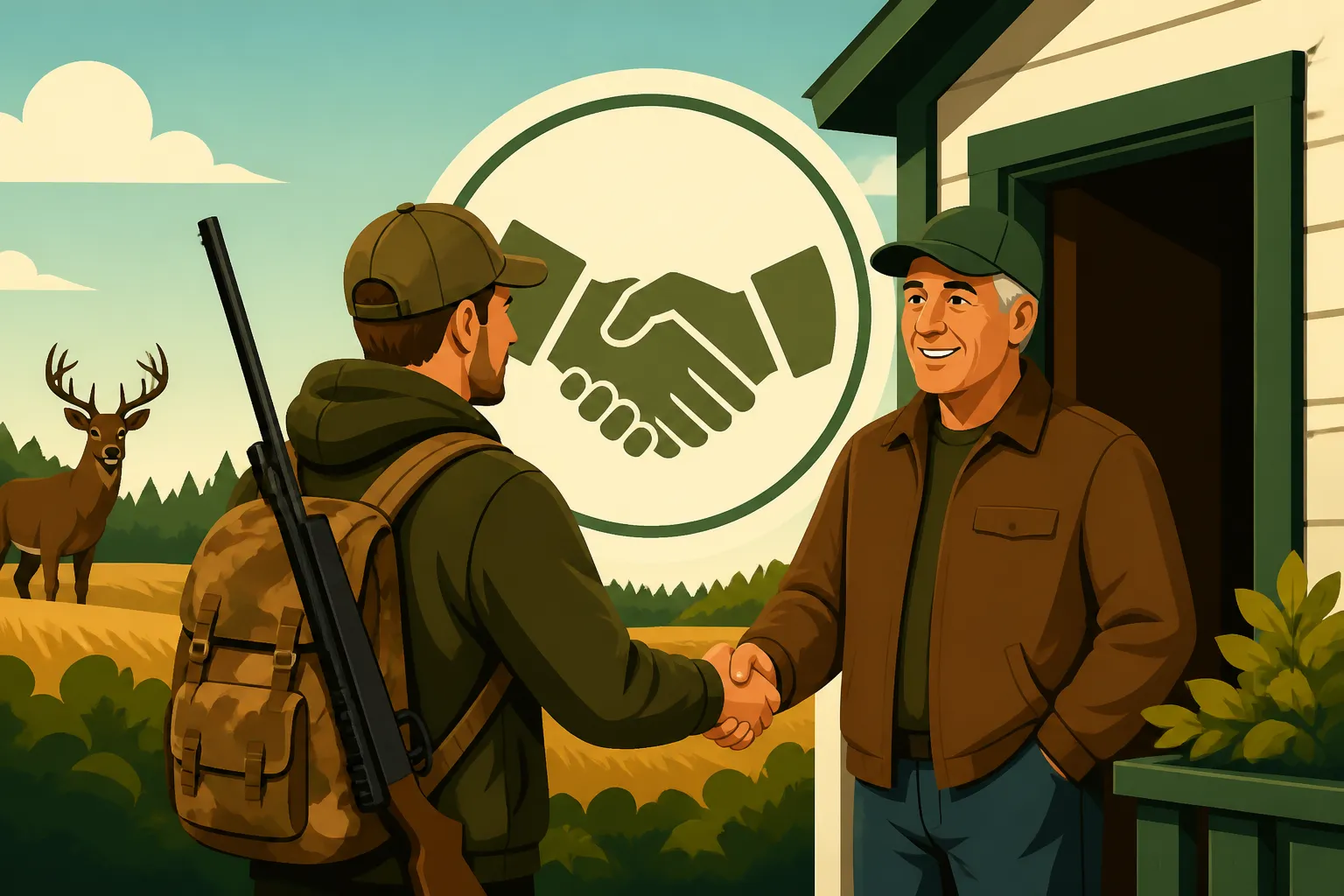
- In Person, Always: This is by far the most effective method. A face-to-face conversation allows you to make a personal connection, show your sincerity, and answer any questions they might have. It’s a chance to make a good first impression. Driving up to the yard, parking respectfully, and walking to the door is the standard approach for Knocking on Doors in Manitoba Farm Country.
- Dress Appropriately: You don't need a suit, but don't show up in your grimy hunting gear either. Clean, casual clothes are ideal. You want to look presentable and respectful, not like you just crawled out of the swamp.
- Be Prepared to Be Told No: Not every landowner will grant permission, and that's perfectly okay. Respect their decision and thank them for their time, regardless of the outcome. A gracious "no" now might open a "yes" door down the line, or at least leave a positive impression of hunters.
What to Say and How to Present Yourself
Your opening words and demeanor can make or break your request. Approach with confidence, humility, and clarity.
- The Introduction: Start with a friendly greeting and a clear, concise introduction. "Hi, my name is [Your Name], and I live in [Your Town/Area]. I'm a local hunter, and I was wondering if you ever grant permission to hunt deer (or whatever species) on your property." Be specific about what you're asking to hunt.
- Be Specific and Honest:
- What you want to hunt: "I'm primarily interested in bowhunting for whitetails," or "I'm hoping to get permission to hunt geese in your stubble fields."
- Where you'd like to hunt: If you've scouted the land, mention specific areas you're interested in, like "that bush patch along the creek" or "the northern edge of your quarter section." This shows you've done your homework. Using tools like onX Hunt can help you pinpoint specific areas on their property and discuss them clearly.
- What season: Specify if it's for archery, rifle, or muzzleloader season.
- Who will be hunting: Are you alone? With a partner? A child? Be clear. "It would just be myself," or "I'm hoping to bring my son for a mentored youth hunt."
- Address Concerns Proactively: Landowners often have valid concerns. Anticipate them and offer solutions:
- Safety: "I'm very safety-conscious and always mindful of buildings, livestock, and property lines."
- Damage: "I'm always careful not to damage fences or crops, and I'll pack out all my trash."
- Vehicles: "I'll park my truck respectfully, well off the main road, and stick to established trails if you allow vehicle access."
- Respect for their land: "I treat all land as if it were my own and aim to leave it better than I found it."
- Offer Your Contact Info: Have a small card with your name and phone number ready to leave with them. It shows you're legitimate and easy to reach. This also helps them remember you when they might have multiple people asking.
Building Relationships and Earning Trust
Getting permission once is a great start, but the goal should always be to cultivate a long-term, respectful relationship. This isn't just about one season's hunt; it's about building a reputation and earning continued access. Hunters who consistently get permission year after year understand that it's a partnership, not a one-sided transaction.
Offering Value and Showing Gratitude
A successful request is just the beginning. Now, you need to follow through and continually reinforce the trust the landowner has placed in you.
- Follow All Rules and Guidelines: Whatever the landowner asks of you, do it. If they say no driving in the fields, don't. If they specify certain areas are off-limits, respect that completely. This is non-negotiable. Breaking their trust, even once, can mean losing access forever.
- Communicate Regularly: Let them know when you plan to be on their land, especially if you're going during busy times like harvest or calving. A quick text or phone call can prevent misunderstandings. If you tag an animal, let them know and offer them some meat. This gesture often goes a long way.
- Offer Help: Farmers and landowners are busy people. Offering a hand can be incredibly impactful. "Is there anything I can help you with around the yard or farm before I head out?" Even if they decline, the offer is appreciated. You could offer to fix a fence, pick up garbage, or simply keep an eye on their property for anything suspicious while you're out there. This kind of proactive help can solidify your position as a valuable ally, not just a hunter. This is where the concept of Manitoba Landowner Damage Compensation can come up; if you see damage or potential issues, reporting them can be a great help.
- Say Thank You: A sincere verbal thank you is a must, but consider a small gesture of appreciation after the season, especially if you had success. A gift basket, a gift certificate to a local business, or even just a card reiterating your gratitude can make a big difference. Many hunters bring a frozen wild game roast from a previous hunt, or even some fresh local produce in return.
Maintaining the Relationship for Future Hunts
Think of landowner relations as a long-term investment. The effort you put in now can pay dividends for years to come.
- End the Season on a Good Note: Before the season officially closes, or shortly after, make another visit. Thank them again, report on your success (or lack thereof), and offer to help again. This closure is important.
- Respect Their Privacy: Don't overstay your welcome, don't bring unapproved guests, and don't share their private land access with others without their explicit permission. Their generosity is personal, not public.
- Be a Good Neighbor: If you live nearby, continue to be a friendly face. Wave when you drive by, check in occasionally. You're building a community connection, not just a hunting spot. Consider joining a local organization like a Joining a Manitoba Wildlife Federation Branch to connect with others who also value good landowner relations.
- Adhere to Ethical Hunting Practices: Always follow ethical hunting guidelines. Ensure clean kills, track wounded animals diligently (even if it means asking for extended access to retrieve game from their land or adjacent properties, as per Retrieving Game From Private Land in Manitoba), and process your game respectfully. No one wants to find a wasted carcass on their property. This kind of ethical conduct is crucial for securing and maintaining long-term trust.
| Do This | Avoid This |
|---|---|
| Visit in person, off-season | Phone or text first, or show up unannounced |
| Be polite, respectful, and prepared | Be demanding, vague, or expect permission |
| Clearly state your intentions (species, weapon) | Be evasive about what you want to hunt |
| Offer to help or show appreciation | Assume access is free or without obligation |
| Adhere strictly to all their rules | Bend or ignore their requests |
| Communicate your movements | Hunt without telling them you're there |
| Thank them, even if denied | Argue or complain if permission is denied |
Tools and Resources for Identifying Landowners
One of the biggest hurdles in asking for permission is knowing who to ask. How do you find out who owns that prime piece of cover or that productive stubble field? Thankfully, modern technology and a bit of local legwork can help you pinpoint landowners and gather crucial information.
Using Digital Tools to Scout and Research
In the past, you might have relied solely on plat maps from the municipal office. While those are still available and useful, digital mapping tools have revolutionized how hunters can research properties and landowner information.
- Digital Mapping Apps (e.g., onX Hunt): These apps are an absolute game-changer. Services like onX Hunt provide detailed property lines, landowner names, and often contact information right on your phone or tablet. This allows you to visually identify the specific parcels you're interested in and know exactly whose door to knock on. You can scout remotely using satellite imagery, mark potential hunting spots, and identify access points, all before you ever leave your couch. This is invaluable for efficiently Scouting With Satellite Imagery in Manitoba and understanding the lay of the land. It helps you articulate why you're interested in a specific parcel when you speak to the landowner.
- Government Land Information Portals: Many provincial or municipal governments offer online property search tools where you can input an address or legal land description and find the registered owner. These can be less user-friendly than dedicated hunting apps but provide official records.
- Hunting-Specific Platforms (e.g., GoHunt): While GoHunt is often associated with draw systems and Western US hunts, many hunting platforms and forums can offer insights into general land access strategies, public land information, and sometimes even tips for specific regions. They might not give you direct landowner names for Manitoba, but they can be a source of strategy and community knowledge. Always cross-reference any information from such platforms with official Manitoba regulations and direct landowner contact.
- GHA Maps: Don't forget the official GHA (Game Hunting Area) maps. These delineate not only the hunting zones but often show Crown Land boundaries, which don't require landowner permission (though they have their own specific rules). By identifying Crown Land, you can narrow down the private parcels you need to focus on for permission. Familiarize yourself with Reading a Manitoba GHA Map Before You Go to understand the local landscape.
Beyond the Map: Local Knowledge and Community
While digital tools are powerful, they don't replace good old-fashioned local intelligence and community engagement. Sometimes the best information comes from people, not pixels.
- Local Businesses: Small-town diners, gas stations, general stores, and farm supply shops are often hubs of local information. Strike up a friendly conversation, and you might casually learn who owns which parcel, or even get an introduction. Just be respectful and don't pry.
- Community Forums and Social Media Groups: Local hunting or community groups online can sometimes offer advice or help connect you, but exercise caution. Never share specific private land information or expect others to do so publicly. Use these platforms for general advice on how to approach landowners, rather than trying to gain specific access details.
- Conservation Organizations: Local chapters of hunting and conservation organizations often have members with deep ties to the community and a good understanding of land access dynamics. They can be a great resource for learning about landowner relations and ethical hunting practices in the area.
- Driving Around and Observing: Sometimes, the simplest method is effective. Drive the back roads during the off-season. Note areas of interest, look for farmhouses, and get a feel for the local area. This physical scouting can help you identify properties that might be less pressured or areas where Finding Ground Other Hunters Drive Past could lead to unique opportunities. Observing crop types can also indicate agricultural practices and potential hunting interest (e.g., a standing cornfield next to a bush lot for deer).
Remember, the goal is not to find a "secret spot" to exploit, but to respectfully gain access by building trust. Combining digital scouting with genuine personal interaction is your strongest approach to securing permission to hunt on private land in Manitoba.
Disclaimer
This article is for general informational purposes only and does not constitute professional advice. Laws, prices and regulations vary by location and change over time. Consult a qualified professional for guidance on your specific situation.