Camping Rules on Manitoba Crown Land
There's nothing quite like truly immersing yourself in the Manitoba wilderness, and for many hunters, that means setting up a camp right on the land where you plan to pursue game. But hitting the bush without understanding the rules around camping on Manitoba's vast Crown land can lead to confusion, fines, and environmental damage. This guide will clarify the essential regulations and best practices, helping you plan a legal, respectful, and truly memorable hunting camp experience.
Understanding Manitoba's Crown Land Landscape
Manitoba is blessed with an incredible amount of public land, often referred to as Crown land. This is the government-owned territory that covers a significant portion of our province, from the vast boreal forests of the north to the aspen parkland fringes, and even some smaller pockets within the agricultural belt. For hunters, this land is a treasure, offering unparalleled access to wild spaces and opportunities for adventure that private land simply can't always provide.
Defining Manitoba's Public Domain
When we talk about Crown land, we're generally referring to land managed by the provincial government that isn't designated as a provincial park, national park, or private property. These lands are primarily managed for multiple uses, including forestry, mining, and, crucially for us, outdoor recreation like hunting, fishing, and camping. The sheer scale can be daunting, but it's important to remember that access and rules can vary slightly depending on the specific Game Hunting Area (GHA) or type of Crown land.
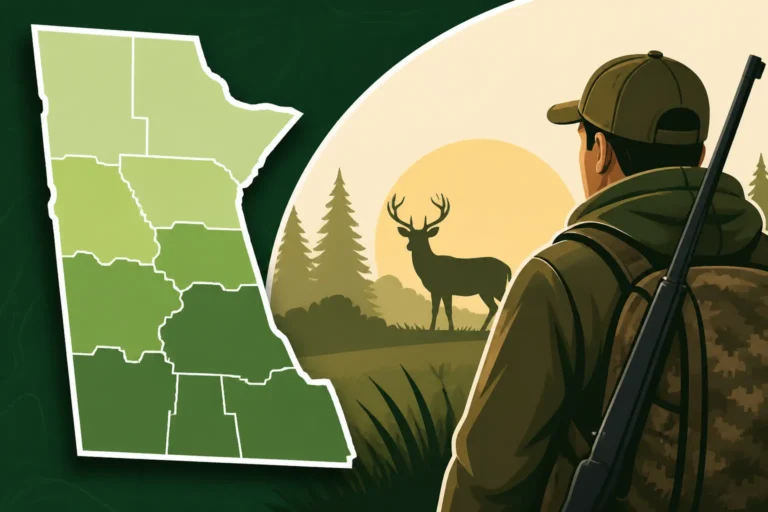
Knowing exactly where Crown land begins and ends is paramount. Many hunters use digital tools like onX Hunt to visualize property boundaries right on their phone or GPS, which can be an absolute game-changer when you're deep in the bush. These layers clearly delineate public land from private, helping you stay legal and avoid accidental trespass. Finding Manitoba Public Land Boundaries is made so much easier with these modern tools. While much of it is open, some areas might have specific designations or temporary closures you need to be aware of, often related to forestry operations or wildfire risk. Always do your homework before heading out.
The Allure of Bush Camps for Hunters
For many of us, the appeal of a bush camp goes far beyond mere convenience. It's about disconnecting from the everyday, living simply, and truly integrating with the rhythm of the hunt. Imagine waking up to the sound of geese overhead or the distant howl of a coyote, knowing you're already right there, ready to slip into the woods at first light. It eliminates long drives back and forth, allowing for more time scouting, hunting, and properly caring for your game.
A well-placed bush camp, often a simple tent or small trailer, allows you to stay close to the action. It can be particularly valuable when you're deep in an area that's hard to access, like a remote stretch of boreal forest or a vast tract of wetland. Being on location means you can hunt those prime morning and evening hours more effectively, and spend the midday hours glassing, tracking, or tending to your gear. It's a truly immersive way to experience Black Bear Hunting in Manitoba or chase White-Tailed Deer, Manitoba's Most Hunted Animal where they live.
Navigating the Rules: General Camping Regulations
While the spirit of Crown land is open access, it's not a free-for-all. There are clear rules in place designed to protect the environment, ensure public safety, and allow for equitable use by everyone. Understanding these is your first step to a hassle-free camping experience.
Permits, Duration, and Group Sizes
One of the most common questions revolves around permits. Generally speaking, for casual, short-term camping on most Manitoba Crown land, you usually do not need a specific camping permit if you are staying in a non-designated area. This is a common point of confusion, as many provincial parks do require permits and charge fees. However, on general Crown land, the intent is usually to allow recreational use without an extra layer of bureaucracy for a simple tent setup.
That said, there are limitations on how long you can stay. Typically, you can camp for a maximum of 21 consecutive days in one location. This is to prevent squatting and ensure that different users have access to prime spots. If you plan to stay longer, you'd need to move your camp a significant distance (usually at least a kilometre) to establish a "new" camp. For most hunting trips, this 21-day limit is more than sufficient. Group sizes should also be reasonable – while there isn't a hard limit for unserviced Crown land, exercising common sense and minimizing your footprint is always recommended. Think small, self-sufficient camps rather than large, permanent-looking installations.
Fire Safety and Environmental Stewardship
Open fires are often a cherished part of a bush camp experience, but they come with immense responsibility, especially in dry conditions. Always check for fire bans before heading out. These bans are serious and often come with hefty fines and potential liability if you cause a wildfire. When fires are permitted, they must be contained in a safe fire pit, well away from flammable materials like dry grass, leaves, or overhanging branches. Never leave a fire unattended, and always ensure it's cold out to the touch before leaving your campsite, even for a short hunt. That means drowning it with water and stirring the ashes.
Beyond fire, environmental stewardship is critical. The "Leave No Trace" principles are your guiding star:
- Plan Ahead and Prepare: Know the rules, pack appropriately, and anticipate challenges.
- Travel and Camp on Durable Surfaces: Stick to existing clearings or hard-packed ground. Avoid disturbing fragile vegetation.
- Dispose of Waste Properly: Pack it in, pack it out. This applies to all garbage, food scraps, and anything else you brought with you. Even biodegradable items can take ages to break down and attract unwanted wildlife.
- Minimize Campfire Impacts: Use established fire rings, keep fires small, and ensure they are fully extinguished.
- Respect Wildlife: Observe from a distance, never feed animals, and store food securely.
- Be Considerate of Other Visitors: Keep noise down, respect privacy, and share the land.
- Leave What You Find: Don't remove artifacts, rocks, plants, or other natural objects.
This ethos is essential for preserving the wild character of Manitoba's Crown land for everyone.
Waste Management and Leave No Trace
This is perhaps the most critical aspect of responsible Crown land camping. What you pack in, you absolutely must pack out. This isn't just about large garbage bags; it includes everything from plastic wrappers and tin cans to spent bullet casings and even biodegradable items like orange peels or apple cores. These take a long time to decompose, attract wildlife, and detract from the wilderness experience for others.
Human waste also needs to be managed properly. Away from established facilities, you should dig a "cat hole" at least 15-20 cm (6-8 inches) deep and 60 metres (200 feet) from water sources, trails, and campsites. Bury waste and toilet paper thoroughly. For larger groups or longer stays, a portable toilet system that can be emptied at an appropriate facility might be a more suitable option. Grey water from washing dishes should also be strained and dispersed well away from water sources. Remember, the goal is to leave your campsite looking as if you were never there.
Specific Considerations for Hunter's Camps
For hunters, camping on Crown land comes with some unique considerations, blending general camping etiquette with the specific demands of the hunt. Your camp isn't just a place to sleep; it's a base of operations.
Vehicle Access and Site Selection
One of the biggest advantages of Crown land is the ability to drive in closer to your hunting grounds. However, Vehicle Rules on Manitoba Crown Land are important to know. While main access roads are generally open, venturing off established trails or roads often has restrictions. You typically cannot create new trails, and driving off-road in sensitive areas like wetlands or newly regenerated forests is prohibited. Always check GHA-specific regulations. A good mapping app like onX Hunt can show you existing trails and potential access points, helping you plan your approach without breaking rules or getting stuck.
When selecting a camp site, look for areas that are already disturbed or naturally clear, minimizing your impact. Flat, well-drained ground is ideal. Avoid setting up in game trails, fresh sign, or areas that show signs of heavy animal activity, both for safety and to avoid disturbing the game you're pursuing. Consider proximity to a reliable water source (and always filter or boil water from the bush!) and make sure you're out of sight of any major roads or private property boundaries. Remember, other hunters or users might be in the area, so spacing your camp out and respecting others' space is key.
Hunting-Specific Regulations Near Your Camp
Your camp might be your home base, but it's not a sanctuary from hunting rules. You still need to be aware of regulations regarding shooting distances from dwellings and other structures. While a tent is a temporary structure, exercising extreme caution and awareness of your surroundings is always paramount. Never shoot towards your camp, and always be absolutely sure of your target and what lies beyond.
If you're hunting in a GHA that requires specific attire, like blaze orange, remember those rules apply even when you're walking around your camp during hunting hours. How Much Blaze Orange Manitoba Requires is a key piece of information for all hunters. The rules about baiting, whether for Black Bear Hunting in Manitoba or otherwise, are also still in effect, and you need to ensure your camp location doesn't interfere with or violate these regulations. Proper game care is also crucial, especially in remote camps. Knowing how to quickly field dress your animal and hang meat properly to cool is vital, especially when it's still mild outside. Meat Care in Manitoba's Cold Snaps becomes a different challenge than during a warm early season.
Dealing with Wildlife Encounters
Camping in the wilderness means you're sharing space with wildlife, including large predators like bears and wolves. Proper food storage is non-negotiable. All food, garbage, and scented items (like toiletries) must be stored in bear-resistant containers, hung from a tree, or locked in a hard-sided vehicle. Never keep food inside your tent. This practice protects both you and the animals. A fed bear quickly becomes a problem bear.
Be aware of your surroundings, especially at dusk and dawn. Make noise when moving through thick brush, and carry bear spray or a firearm for self-defence in bear country. Educate yourself on how to react to different wildlife encounters. For example, if you encounter a wolf, moose, or even a curious fox, maintain a respectful distance and never approach. Remember, you are a visitor in their home.
Planning and Respectful Practices
A successful Crown land camping hunt starts long before you ever set foot in the bush. Thorough planning and a commitment to respectful practices will ensure a rewarding experience.
Pre-Trip Scouting and Preparation
Before you pack a single item, hit the maps. Utilize satellite imagery and mapping apps like onX Hunt or even tools from GoHunt to identify potential camp spots, access roads, water sources, and key hunting features. Scouting With Satellite Imagery in Manitoba can reveal hidden clearings or old logging roads perfect for a secluded camp. Look for areas that offer a balance of accessibility, remoteness, and good hunting potential. Always have a backup plan for camp locations in case your primary spot is already occupied or unsuitable.
Consider the time of year and weather. Will you need a heavy-duty tent for Hunting Safely in Deep Winter Cold, or will a lighter setup suffice for an early fall hunt? Pack enough food, water (or purification methods), fuel, and emergency supplies. Tell someone reliable your exact itinerary, including your camp location and expected return date. Cell service is spotty to non-existent in much of Manitoba's Crown land, so don't rely on it for emergencies. A satellite messenger or GPS device with emergency communication capabilities is a wise investment for any remote trip.
| Aspect of Camping | Best Practice on Crown Land | Why It's Important |
|---|---|---|
| Permits | Generally not needed for casual camping (21-day limit) | Ensures public access, prevents permanent squatting. |
| Fire Safety | Check fire bans, use safe pits, extinguish completely | Prevents wildfires, protects natural resources and homes. |
| Waste | Pack it in, pack it out (all garbage, food scraps) | Maintains wilderness aesthetics, prevents wildlife habituation. |
| Human Waste | Dig cat holes (6-8" deep, 200 ft from water/camp) | Prevents contamination, spreads decomposition. |
| Vehicle Use | Stay on existing roads/trails, avoid off-road driving | Prevents environmental damage, respects land use rules. |
| Food Storage | Bear-resistant, hung, or locked in vehicle | Protects campers, prevents habituation of wildlife. |
| Campsite Choice | Use existing clearings, avoid game trails/sensitive areas | Minimizes impact, reduces disturbance to wildlife. |
| Noise Levels | Keep noise to a minimum, especially during hunting hours | Respects other users, doesn't spook game. |
Minimizing Impact and Coexisting with Others
Even if you're the only hunter for miles, acting responsibly helps preserve these lands for everyone. If you find an existing campsite, great! Use it. If not, choose a spot that shows minimal sign of use and will recover quickly. Avoid cutting live trees for firewood or shelter. Instead, use fallen deadwood for fires.
Remember that Crown land is shared. Other hunters, trappers, hikers, anglers, and ATV riders might be using the same area. Be courteous. Keep your camp tidy, manage your noise, and be aware of others. If you see another camp or vehicle, offer a friendly wave and maintain a respectful distance. Good landowner relations extend to Crown land users as well; a positive attitude helps ensure everyone can enjoy these incredible spaces. Your respectful actions help to ensure that the privilege of Manitoba's Crown Land Access remains open for generations of hunters and outdoors enthusiasts to come.
Disclaimer
This article is for general informational purposes only and does not constitute professional advice. Laws, prices and regulations vary by location and change over time. Consult a qualified professional for guidance on your specific situation.