Why Manitoba Moose Numbers Fell
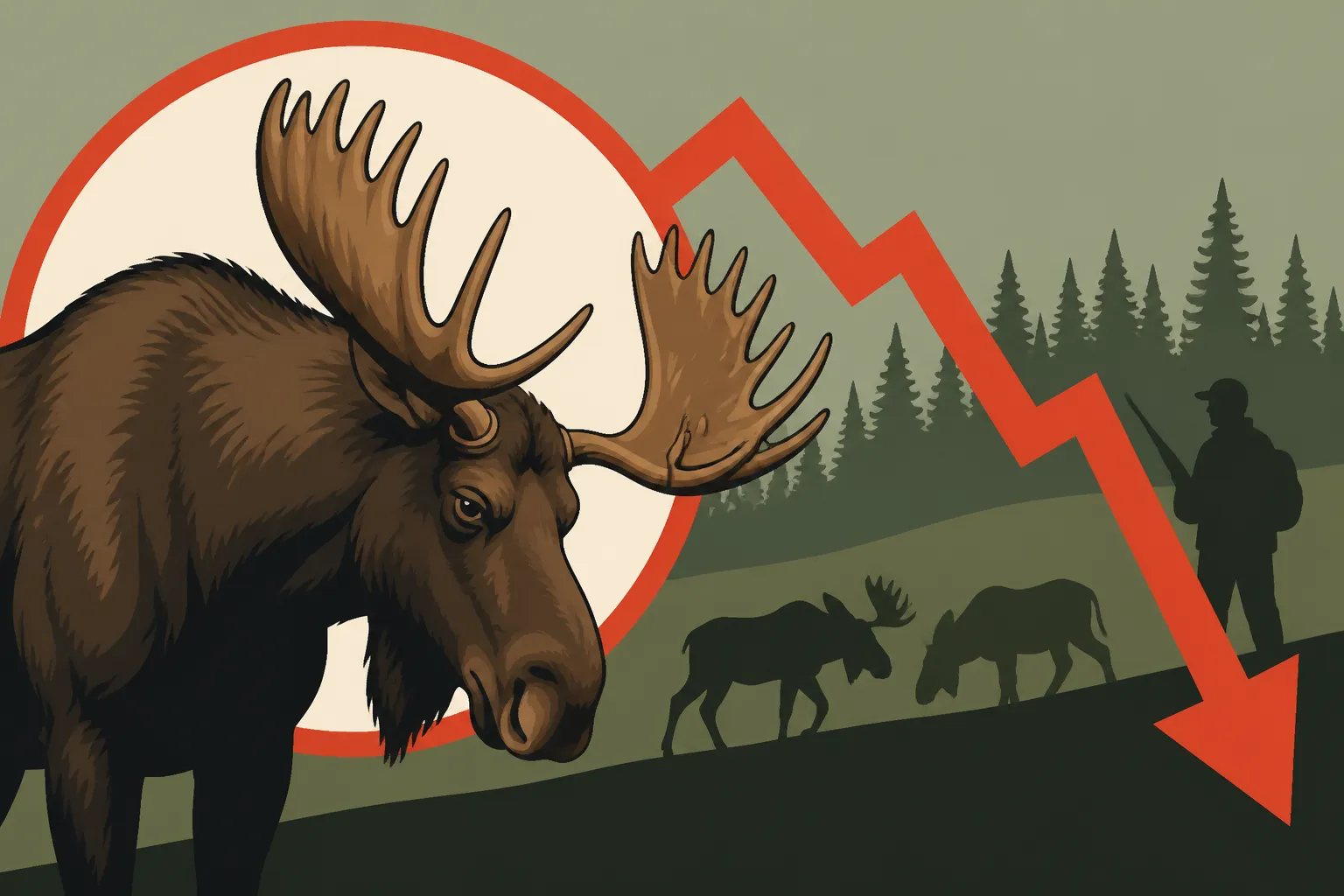
It's heartbreaking to witness the decline of such an iconic species, and for many of us who cherish Manitoba's wild places, the shrinking moose population has been a source of deep concern and frustration. Hunters, naturalists, and Indigenous communities alike have watched with heavy hearts as these magnificent animals become scarcer. This guide aims to pull back the curtain on the complex web of factors that have contributed to this concerning trend, offering a comprehensive look at why Manitoba's moose numbers have fallen.
The Historical Context of Manitoba Moose Populations
To understand where we are, we first have to look at where we've been. Moose have always been a vital part of Manitoba's ecosystem and cultural fabric, but their presence in the landscape has changed dramatically over the decades.
A Legacy of Abundance
For centuries, before extensive European settlement, moose were found in robust numbers across vast swathes of Manitoba, from the boreal forests of the north to the aspen parkland belt and even into some richer marshland areas. They were a cornerstone species, providing sustenance and cultural significance for Indigenous peoples and later, early European settlers. Their immense size, impressive antlers, and ability to thrive in harsh northern environments made them a symbol of the wild. Accounts from trappers and explorers often spoke of encountering moose with regularity, suggesting populations that were well-distributed and healthy, largely dictating their own existence with natural predator-prey dynamics.
These populations benefited from vast, undisturbed habitat – a mosaic of mature forests, wetlands, and willow thickets that offered abundant browse and crucial cover from both predators and the elements. The sheer scale of untamed wilderness meant that even localized pressures rarely led to widespread, long-term declines. Moose truly ruled their domain, a sight many of us wish we could have witnessed in its full glory.
Early Warning Signs and Initial Declines
The first whispers of concern began to emerge in the mid-to-late 20th century, particularly in the southern and central regions of the province. While northern populations often remained strong, a noticeable reduction in moose sightings and harvest numbers started appearing in areas closer to human development and agricultural expansion. These early declines weren't always dramatic, but they were persistent, chipping away at populations in a way that couldn't be ignored.
Conservationists and wildlife managers began to raise questions, initially pointing to over-harvest in accessible areas, but gradually recognizing that a more intricate set of circumstances was at play. Habitat fragmentation from forestry, road development, and agricultural encroachment started to isolate pockets of moose, making them more vulnerable. It was becoming clear that the resilience moose had shown in endless wilderness was being challenged by a landscape that was rapidly changing around them. This shift foreshadowed the more critical issues we face today regarding Manitoba's Moose Population Trend.
The Role of Climate Change and Environmental Shifts
Climate change isn't just an abstract concept for Manitoba's moose; it's a tangible threat that directly impacts their physiology, behavior, and survival. The warming trend has initiated a cascade of environmental shifts that are making life increasingly difficult for these cold-adapted giants.
Warmer Temperatures and Heat Stress
Moose are physiologically built for the cold. Their large bodies, dense coats, and relatively low surface area to mass ratio are all adaptations to conserve heat in frigid northern climates. This means they struggle intensely with heat. As average temperatures in Manitoba climb, especially during critical summer months and even into early fall, moose experience significant heat stress. Imagine trying to wear a heavy winter parka in the middle of a hot summer day – that's essentially what a moose contends with. This stress leads to reduced foraging time, as they seek refuge in cool, shady areas or shallow water, like a quiet beaver pond, to escape the heat.
Less foraging means less energy intake, which impacts their overall health, body condition, and reproductive success. Calves born to heat-stressed cows are often smaller and weaker, making them more susceptible to disease and predation. Prolonged periods of heat can also weaken their immune systems, leaving them vulnerable to parasites and illnesses they might otherwise fight off. The shifting climate, characterized by shorter winters and hotter summers, directly undermines the very biological advantages that allowed moose to thrive here for millennia. This is why understanding What Moose Eat Through the Year and how much they need is critical.
Habitat Alteration and Fragmentation
Beyond direct temperature impacts, climate change influences habitat quality. Warmer temperatures can alter forest composition, favoring species less palatable to moose or creating conditions ripe for new pests and diseases in their preferred browse. For instance, changes in snow depth and duration affect their ability to move and forage, especially for calves. But it's not just climate; human activities also play a massive role. Extensive logging, agricultural expansion, infrastructure development like roads and pipelines, and even recreational development continue to fragment critical moose habitat.
This fragmentation isolates moose populations, cutting off their natural travel corridors and restricting access to diverse foraging and calving grounds. Imagine a moose trying to find sufficient winter browse only to be blocked by a vast clear-cut or an expanding field. These fragmented landscapes also create more "edge" habitat, which can inadvertently benefit white-tailed deer, a species that often carries parasites detrimental to moose. The shrinking and breaking up of their preferred boreal forest and aspen parkland environments means less suitable living space and increased vulnerability to other threats. When you use a service like GoHunt to scout areas, you can visually see how habitat connectivity has been disrupted in many regions.
Disease and Parasites: Silent Killers
While habitat loss and climate change set the stage, it's often insidious diseases and parasites, thriving in these altered conditions, that deliver the most devastating blows to moose populations. These silent killers are difficult to detect and even harder to manage.
Winter Ticks: A Devastating Epidemic
The winter tick (Dermacentor albipictus) is perhaps the most significant biological threat to moose in Manitoba right now. Unlike other ticks, this species spends its entire life cycle on a single host. Milder, shorter winters mean more adult ticks survive the cold to lay eggs, and more tick larvae survive on the vegetation to attach to moose in the fall. The result? A single moose can be infested with tens of thousands, sometimes even over a hundred thousand, of these blood-sucking parasites.
The impact is horrific. Moose become severely anemic from blood loss, often scratching and rubbing themselves raw trying to dislodge the ticks. This excessive rubbing leads to massive hair loss, giving them a ghostly, ragged appearance – hence the term "ghost moose." This loss of their insulating coat means they then suffer from hypothermia in late winter and early spring. Exhausted, anemic, and often suffering from secondary infections in their raw skin, these moose become lethargic, reduce foraging, and are incredibly vulnerable to starvation, predators, and even road accidents. The severity of How Winter Ticks Affect Boreal Moose cannot be overstated; it’s a critical factor in population collapse.
Brainworm and Other Pathogens
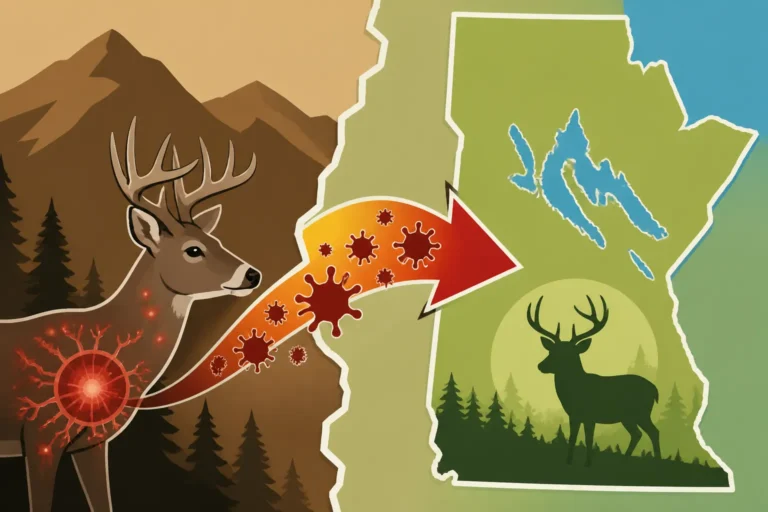
Another significant threat is the brainworm (Parelaphostrongylus tenuis), a parasite that is relatively harmless to its natural host, the white-tailed deer. However, when moose ingest the intermediate host (snails and slugs) contaminated with brainworm larvae while foraging, the larvae migrate to the moose's brain and spinal cord. The moose's immune system, unfamiliar with the parasite, reacts aggressively, causing neurological damage.
Symptoms in moose can include blindness, disorientation, uncoordinated movement, paralysis, and ultimately, death. The problem is exacerbated by the increasing overlap in habitat between white-tailed deer and moose. As milder winters and changing land use allow deer populations to expand further north into traditional moose ranges, the chances of moose contracting brainworm increase significantly. This is a classic example of how ecological shifts, often human-induced, can lead to devastating consequences for vulnerable species. Other pathogens, while perhaps less widespread, can also contribute to localized declines, weakening moose further and making them more susceptible to other stressors.
Predation and Hunter Harvest Dynamics
The natural balance between predator and prey is delicate. When other factors weaken a prey population, the impact of predation can become disproportionately high. Similarly, human hunting, while a management tool, must be carefully calibrated to avoid exacerbating existing problems.
The Impact of Wolves
Wolves are natural predators of moose, and in a healthy ecosystem with robust moose numbers, this relationship is generally sustainable. Wolves often target the old, the sick, and the young, helping to maintain a strong gene pool. However, when moose populations are already stressed by heat, disease, and poor habitat, wolves can have a much more significant impact on overall survival rates. Weakened moose, particularly calves, are easier targets. A moose struggling with a heavy tick load or suffering from brainworm is far less likely to escape a wolf pack.
In areas where moose numbers are critically low, even a normal level of wolf predation can hinder population recovery. This often leads to complex debates about predator control. While some argue for reducing wolf numbers to allow moose to rebound, others point out that wolf populations typically follow their prey; if moose numbers are low, wolf numbers will eventually decline naturally. The key is understanding the specific dynamics of each region. For example, in regions where populations are recovering, like some areas in Manitoba's Boreal Country, maintaining a healthy predator-prey balance is paramount.
Human Harvest: Balancing Act
Human hunting is frequently cited as a cause for declining moose populations, and it's a valid concern if not properly managed. However, in Manitoba, regulated hunting is generally not considered the primary driver of widespread, long-term moose decline. Instead, it's a management tool. When populations begin to struggle, wildlife agencies, often in consultation with local communities and Indigenous groups, implement stringent measures.
This has included reduced tag allocations, shortened seasons, and even complete closures of moose hunting in certain Game Hunting Areas (GHAs), such as the well-documented decision to close Which GHAs Are Closed to Moose or why The Duck Mountain Moose Season Closed. These are incredibly tough decisions, frustrating for hunters, but they are made to give moose populations a chance to recover. The goal is always a sustainable harvest, allowing healthy populations to persist for future generations. For many hunters, utilizing resources like GoHunt to understand these changes in regulations and population trends has become essential for responsible participation in hunting.
| Factor | Description | Primary Impact on Moose |
|---|---|---|
| Climate Change | Rising temperatures, shorter winters, longer summers. | Heat stress, reduced foraging, weaker calves, altered habitat. |
| Winter Ticks | Proliferation of ticks due to milder winters. | Anemia, hair loss, hypothermia, starvation, increased vulnerability. |
| Brainworm | Parasite from deer, ingested by moose. | Neurological damage, disorientation, paralysis, death. |
| Habitat Loss/Fragmentation | Clearing of forests, wetlands; human development. | Reduced suitable living space, isolated populations, increased stress. |
| Wolf Predation | Natural predator, but intensified impact on vulnerable moose. | Higher mortality, especially among calves and weakened adults. |
| Human Harvest | Regulated hunting pressure. | Exacerbates declines if not strictly managed; generally not primary cause of widespread decline. |
Management Strategies and Conservation Efforts
Faced with such complex challenges, the Manitoba government, along with various conservation groups and Indigenous communities, has been working on strategies to stabilize and, hopefully, rebuild moose populations. These efforts require a multi-faceted approach, grounded in science and adapted to local conditions.
Adaptive Management and Population Monitoring
A cornerstone of modern wildlife management is adaptive management, which means continually assessing population data and adjusting strategies as new information becomes available. For moose, this involves rigorous population monitoring. Manitoba employs aerial surveys to estimate moose numbers, track population density, and identify areas of concern. These surveys, while challenging to conduct in dense forest cover, provide critical data on population trends, calf survival rates, and overall health indicators. This data feeds into decisions regarding hunting seasons, tag allocations, and identifying areas for further research or intervention. Hunters often consult tools like GoHunt or government publications to stay informed about these ever-changing population dynamics and regulatory adjustments, ensuring they adhere to guidelines like those for Hunting the Rut in Early to Mid November.
Beyond aerial counts, researchers also study moose health through samples from harvested animals, checking for signs of disease like chronic wasting disease (CWD) or other parasites. Understanding how many moose the province holds is the first step in creating effective conservation plans. However, the sheer scale of Manitoba's boreal forest makes comprehensive monitoring a continuous and resource-intensive challenge.
Habitat Restoration and Research
Protecting and restoring critical moose habitat is absolutely vital. This includes preserving mature forest stands, maintaining wetland complexes, and ensuring connectivity between different habitat types. Efforts focus on areas important for calving, wintering, and summer foraging. For example, securing areas around Manitoba Beaver Ponds or old growth forests that offer shade and abundant browse during warmer months are key. These efforts often involve collaborations with forestry companies to promote sustainable logging practices that consider moose habitat needs, rather than solely focusing on timber extraction.
Furthermore, ongoing scientific research is crucial. Studies are delving deeper into the specific impacts of climate change on moose physiology, the complex life cycles of parasites like the winter tick, and the effectiveness of different management interventions. Researchers are constantly looking for ways to mitigate heat stress, reduce tick burdens, and understand the intricate ecological relationships that contribute to moose health. Collaborative research with Indigenous communities, who hold generations of ecological knowledge, is also proving invaluable in shaping holistic and effective conservation strategies. Learning from traditional knowledge, alongside modern science, is helping to pinpoint Where Manitoba's Moose Are Recovering and what factors are most conducive to their resurgence.
Disclaimer
Please remember that hunting regulations, seasons, and wildlife management strategies are subject to change. Always consult the most current Manitoba hunting guide and provincial regulations before planning any hunting activity.