Barren-Ground Caribou in Northern Manitoba
Hunting Barren-Ground Caribou in Manitoba's far north is an experience unlike any other, demanding serious preparation and a deep understanding of one of Canada's most iconic migratory species. The sheer remoteness, the unforgiving landscape, and the unpredictable nature of these herds present challenges that can easily overwhelm the unprepared hunter. This guide is dedicated to helping you navigate the complexities of chasing these magnificent animals across Manitoba's northern frontier, providing insights into their biology, their unique habitat, and the meticulous planning required to successfully pursue them.
Understanding Barren-Ground Caribou in Manitoba
Barren-Ground Caribou are true nomads of the north, their lives dictated by the relentless cycle of migration across vast, untamed landscapes. For hunters, understanding these patterns and the caribou's incredible adaptations is the first step toward a successful and respectful hunt in Manitoba.
The Migration and Their Northern Range
Manitoba is home to portions of several Barren-Ground Caribou herds, most notably the Qamanirjuaq herd, which ranges across northern Manitoba, Nunavut, and the Northwest Territories. These animals undertake some of the longest terrestrial migrations on earth, driven by ancient instincts to find forage and escape predators. Their movements are not always predictable, varying year to year based on weather, snow cover, and available food sources. One year, they might be thick on the tundra in early August; the next, you might be waiting days for them to show up, or they might swing wide of traditional routes entirely.
Understanding where the Qamanirjuaq Herd Migrates is crucial. They typically spend their summers on the calving grounds in Nunavut and then begin their southbound migration in late summer and fall, often reaching the northernmost reaches of Manitoba. This is often the window that hunters target, as the caribou are moving and can be intercepted along historical migration corridors. These aren't the tight, predictable migrations you might see in a wildlife documentary; rather, it’s a broad, flowing movement that can spread caribou out over hundreds of square miles, making scouting and real-time information paramount. Local knowledge and reliable outfitters, who spend years learning these patterns, are invaluable assets.
Physical Characteristics and Adaptations
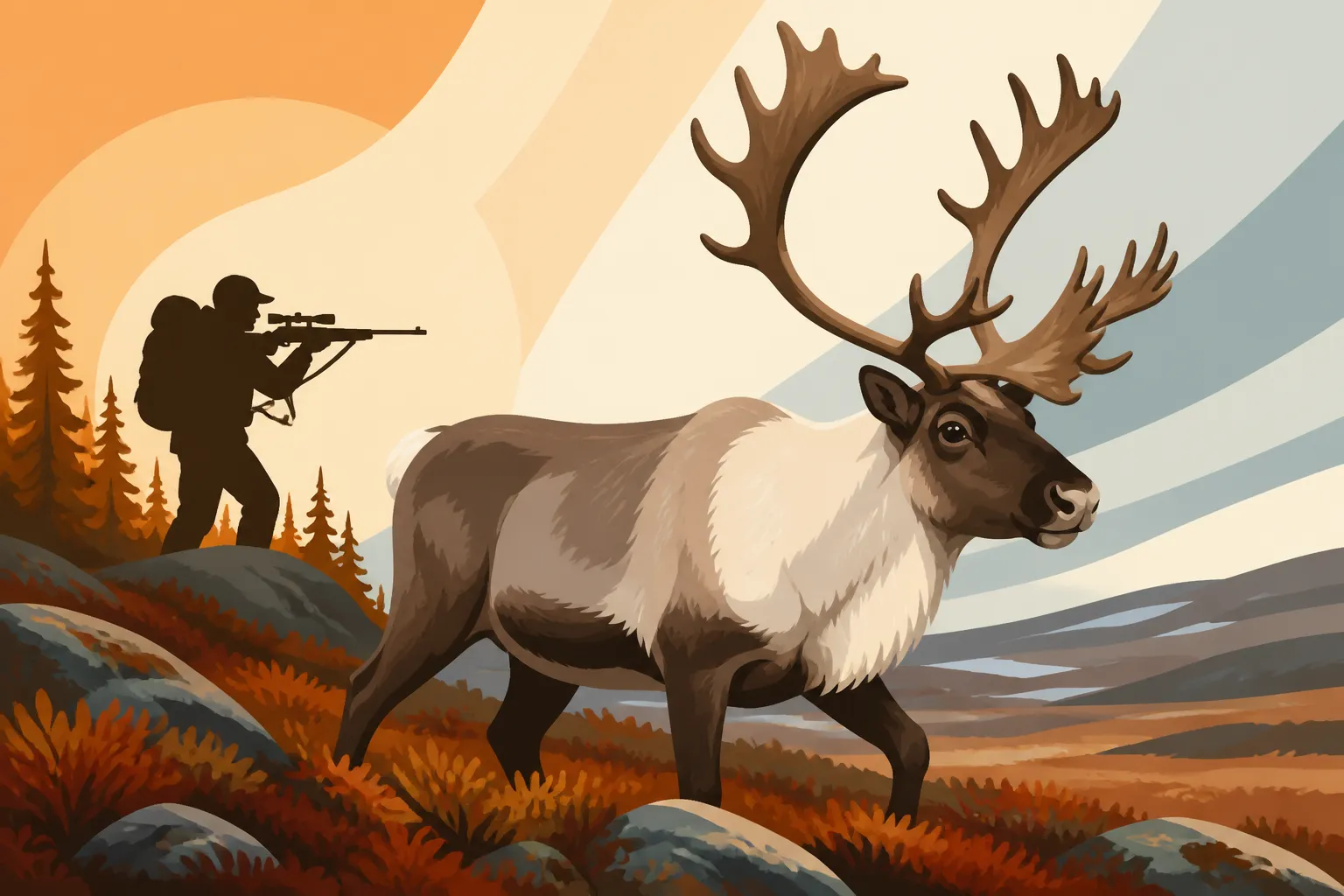
Barren-Ground Caribou are exquisitely adapted to their harsh Arctic environment. They are a medium-sized deer species, but don’t let that fool you; they are robust and incredibly hardy. A mature bull can weigh significantly, sometimes well over 300 pounds. When considering What a Barren-Ground Bull Weighs, imagine packing out that kind of animal in remote terrain! Their coat is thick and dense, a marvel of insulation, changing from a dark brown in summer to a much lighter, almost whitish-grey in winter, especially around the neck and belly. This superb insulation allows them to withstand extreme cold and wind.
Perhaps their most striking feature is their antlers, which are unique among cervids in that both males and many females grow them. Bull caribou develop impressive, broad antlers with distinct main beams, palmated brow tines (often called "shovels"), and multiple points. Each bull’s rack is incredibly individual, making every trophy a truly unique piece of art. Their hooves are also specially adapted: large, broad, and crescent-shaped, acting like snowshoes to distribute weight over soft snow and tundra. The sharp edges help them grip icy terrain and dig through snow to access lichen, their primary winter food source. This allows them to thrive in environments where other large ungulates would struggle. While often confused with their close relatives, there's a good reason Why Woodland Caribou Are Protected in other parts of Manitoba; their distinct habitat and smaller, more sedentary populations face different conservation challenges.
The Unique Ecosystem of Northern Manitoba
Hunting Barren-Ground Caribou isn't just about the animal; it's about immersing yourself in one of the planet's wildest and most remote ecosystems. Northern Manitoba offers a spectacular, yet challenging, backdrop for this adventure.
Tundra and Boreal Forest Transition Zone
The landscape where Barren-Ground Caribou are typically found in Manitoba is a fascinating and often stark transition zone. As you push north, the dense boreal forest starts to thin out, giving way to an open, shrubby taiga, and eventually, the vast, treeless expanse of the subarctic tundra. This environment is characterized by endless stretches of rock, scattered stunted spruce and tamarack, willow and birch thickets along watercourses, and vast blankets of moss and lichen. The ground is often a mosaic of bog, muskeg, and rocky uplands, making travel incredibly difficult on foot. There are few landmarks, and the horizon can stretch for miles, deceiving the eye with its sheer scale.
The vegetation here, while sparse to the casual observer, is critical for caribou. Lichens, in particular, are a vital winter food source, and the low-growing shrubs provide essential browse. Hunters must be prepared for incredible variations in terrain within short distances – from soft, ankle-deep moss to sharp, unforgiving rock fields. The weather can change in an instant, with sunny skies quickly giving way to driving wind, rain, or even snow, even in late summer. This environment demands robust gear and an unwavering spirit, pushing you to your physical and mental limits.
Remote Access and Logistics
One of the biggest hurdles and defining aspects of a Barren-Ground Caribou hunt in Manitoba is the extreme remoteness. There are no roads leading into the heart of their range. Access is almost exclusively by air, typically via float plane to a remote lake or by wheeled plane to a rudimentary airstrip. This immediately elevates the complexity and cost of the hunt. When you think about Hunting Manitoba's Far North on a Fly-In, you’re not just thinking about a plane ride; you’re thinking about packing everything you need for survival and comfort, knowing resupply isn't an option.
This reliance on air travel means meticulous planning for weight restrictions, fuel caches, and potential weather delays that can strand you for days. You're not just flying to a spot; you're often flying to a temporary camp set up by an outfitter, or a rustic cabin that becomes your base of operations. Communication is limited, usually to satellite phones or two-way radios, emphasizing the need for self-sufficiency and a well-thought-out emergency plan. Outfitters specializing in Flying North for Manitoba Caribou are experts in navigating these logistical challenges, from arranging charters to ensuring adequate supplies for the duration of your trip. Every piece of gear, every meal, and every drop of fuel has to be flown in, and every pound of meat and antlers has to be flown out, making weight and efficient packing crucial considerations.
Planning Your Barren-Ground Caribou Hunt
Embarking on a Barren-Ground Caribou hunt is a significant undertaking that requires meticulous planning, from understanding the specific regulations to assembling the right gear and choosing an experienced outfitter.
Licensing and Season Dates
Manitoba's Barren-Ground Caribou hunt is highly regulated to ensure the sustainability of these precious herds. For residents and non-residents alike, obtaining the correct license and tag is paramount. It’s critical to understand the specific Manitoba Caribou Licence Rules and Manitoba Caribou Season Dates well in advance, as these can change and are often tied to specific Game Hunting Areas (GHAs) in the far north. Non-residents, particularly foreign non-residents, will almost certainly need to hunt with a licensed Manitoba outfitter. Resident tags are typically allocated through a draw system due to limited quotas, making success far from guaranteed.
The season dates are usually very specific, often a short window in late summer or early fall when caribou are migrating south and still accessible. Missing an application deadline or misunderstanding the GHA boundaries can completely derail your plans. Always consult the most current Manitoba Hunting Guide or contact Manitoba Sustainable Development directly for the definitive rules. There's no room for guesswork when it comes to legal compliance, especially in such remote areas where enforcement can be challenging but penalties severe.
Choosing a Reputable Outfitter
For most hunters, especially non-residents, booking with a reputable outfitter is not just recommended, it's often a legal requirement and an absolute necessity for a successful and safe Barren-Ground Caribou hunt. These outfitters possess the specialized knowledge, equipment, and logistical capabilities to operate safely and effectively in such remote and demanding environments. When looking into Booking a Manitoba Caribou Hunt, you'll quickly realize the value of their expertise in arranging flights, setting up remote camps, and understanding the nuances of caribou movements.
Don't just pick the first outfitter you find. Do your homework. Look for outfitters with a long track record, positive testimonials, and transparent communication about their services, success rates, and what's included in the hunt package. Ask for references and actually call them. A good outfitter will detail the Manitoba Caribou Hunt Prices, what they cover (flights, food, guiding, camp amenities, etc.), and what they don't (licences, tags, gratuities, meat processing, trophy shipping). They should also be upfront about the physical demands of the hunt and potential challenges like weather delays or unpredictable caribou movements. A reliable outfitter will prioritize safety, ethical hunting, and conservation, ensuring you have the best possible experience while respecting the wildlife and the land. They might even use tools like GoHunt to help scout and plan, leveraging mapping and data to improve success.
Essential Gear for Northern Conditions
The far north of Manitoba is an incredibly harsh environment, and your gear selection is not just about comfort, but survival. You cannot skimp on quality or preparation here. Layering is king, starting with good base layers (merino wool or synthetics – absolutely no cotton!), then insulating mid-layers, and finally, a waterproof and windproof outer shell. Temperatures can swing wildly, and what starts as a mild morning can quickly turn into a freezing, blustery afternoon.
Footwear is critical: think insulated, waterproof boots, rated for extreme cold, with good ankle support for traversing uneven tundra and rocky ground. Bring multiple pairs of wool socks. Hands and head gear are also vital; good gloves or mittens, a warm hat, and a neck gaiter or balaclava are non-negotiable. Don't forget high-quality optics, like binoculars and a spotting scope – the open terrain makes glassing vast distances the primary scouting method. Navigation tools (GPS, satellite phone, compass, detailed maps), a robust first-aid kit, a headlamp with extra batteries, and a reliable knife are also absolute must-haves. Your rifle or bow should be accurate and durable enough to withstand the conditions, and practice shooting in cold weather gear is highly recommended. Remember, every item carried needs to be efficient and dependable; there are no quick trips back to the truck or store out here.
Tactics for Hunting Barren-Ground Caribou
Hunting Barren-Ground Caribou demands a blend of patience, physical endurance, and a keen understanding of their behaviour in an expansive, challenging environment. It's a true test of a hunter's skills.
Spot and Stalk in Open Tundra
The primary method for hunting Barren-Ground Caribou is spot and stalk, a technique perfectly suited to the open, treeless tundra and taiga landscapes of northern Manitoba. This involves extensive glassing, often for hours on end, scanning distant ridges, valley bottoms, and vast plains for signs of caribou. High-quality binoculars and a spotting scope are indispensable here; they are your eyes across the immense northern wilderness. Many hunters use applications like GoHunt on their devices to pinpoint potential glassing knobs or to mark caribou sightings, making the vast terrain more manageable.
Once caribou are spotted, the real challenge begins: a deliberate, often multi-hour stalk across unforgiving terrain. This might involve belly-crawling through low-lying willows, navigating around boggy patches, or using subtle changes in topography to remain concealed. The caribou's keen eyesight, coupled with the lack of cover, makes getting within shooting range incredibly difficult. Wind direction is critical, as their sense of smell is excellent. Hunters must be prepared for long walks and patient approaches, often getting within range only to have the caribou move, forcing a new stalk. It's an physically demanding process that tests both your resolve and your cardiovascular fitness. Glassing Tundra for Manitoba Caribou will quickly become second nature if you hope to find success.
Hunting the Migration Routes
While spot and stalk is key, understanding and intercepting the caribou along their migration routes is a strategic advantage. Caribou often follow specific corridors, river systems, or funnel through particular terrain features during their seasonal movements. Outfitters will often position camps in areas known to be near these traditional routes, increasing the chances of encountering a moving herd. However, as mentioned earlier, these migrations can be broad and unpredictable, making real-time scouting and adaptability crucial.
Hunting these routes involves a lot of waiting and watching, sometimes from strategic vantage points overlooking vast sections of tundra. The goal is to intercept caribou as they pass through, rather than actively chase them. Patience is key, as is the ability to quickly react and set up for a shot when a herd appears. This style of hunting can be incredibly rewarding when thousands of animals suddenly appear on the horizon, but it also carries the risk of slow periods if the migration path shifts. Some outfitters might even suggest an optional Adding a Wolf to a Caribou Hunt if pack activity is noted along the migration paths, turning a waiting game into an opportunistic dual-species pursuit. When Hunting Caribou on the Migration Route, flexibility and resilience are your best friends.
Judging a Bull Caribou
For many, the allure of Barren-Ground Caribou lies in their magnificent and unique antlers. Accurately Judging a Barren-Ground Caribou Bull on the hoof, especially at a distance, requires practice and a keen eye. Unlike deer, where typical versus non-typical points are strictly defined, caribou racks are all wonderfully non-typical by comparison. You're looking for mass, overall width, the number and length of points, and critically, the "shovels" – the palmated brow tines that sweep forward. A truly mature bull will have well-developed shovels, good main beam length, and often multiple points on the back tines.
Beyond the antlers, consider the animal's body size and behaviour. Older bulls often have thicker necks and a more substantial body profile. While a big rack is desirable, ethical hunting also means selecting a healthy animal and ensuring you can make a clean, humane shot. It's easy to get target fixation when a large herd is moving, but taking your time to identify your chosen animal, check for cows or calves nearby, and ensure a clear shot path is paramount. Your guide will be invaluable in helping you make this crucial decision, pointing out features that distinguish a truly trophy-class animal from a younger, less mature bull.
Field Care and Logistics Post-Harvest
Successfully harvesting a caribou in the remote northern wilderness is only half the battle. The real work begins with proper field care and the intricate logistics of getting your meat and trophy safely back home.
Quartering and Meat Preservation
Given the sheer size of a Barren-Ground Caribou and the typical lack of vehicle access in their northern habitats, field dressing and quartering are essential. As soon as the animal is down, the clock starts ticking, especially if temperatures aren't frigid. You'll need to quickly gut the animal, and then skin and quarter it into manageable pieces for transport. The meat should be kept as clean as possible, elevated off the ground, and allowed to cool rapidly to prevent spoilage. This is where multiple large game bags come in handy – not just for cleanliness but to protect the meat from flies and other insects.
Knowing how to efficiently Packing Caribou Out to a Float Plane or via ATV is a skill unto itself. Each quarter, along with the backstraps and tenderloins, should be carefully bagged. The cape, if you plan for a shoulder mount, needs meticulous care to avoid hair slip. In remote camps, meat might be hung in a shaded, well-ventilated area, sometimes covered with mesh to keep critters away. In truly cold conditions, freezing isn't an issue, but in early season hunts, active cooling and speedy transport are vital. Always be prepared for the physical exertion of packing out a heavy animal over rugged terrain.
Transporting Your Harvest
Transporting your caribou harvest out of the remote northern GHA is a significant logistical challenge, usually coordinated by your outfitter. The meat and antlers will likely need to be flown out by float plane or wheeled aircraft from the field to a staging area, and then potentially by a larger charter or road transport to a processing facility or freezer in a larger town like Thompson or Winnipeg. This is where GoHunt can again be useful in pre-planning, looking at potential transportation routes and services.
Ensure you understand Manitoba's tag validation rules and Evidence of Sex Requirements. The tag must be securely affixed to the animal, and often a specific portion of the carcass must remain attached to prove sex, especially when transporting. For non-residents, there are specific regulations for Taking Meat and Antlers Across the Border into the United States or other countries. This includes proper documentation, customs declarations, and often, specific processing requirements to prevent the spread of diseases. Your outfitter should be well-versed in these rules and help you prepare all necessary paperwork. It’s a complex process, but following every step ensures your hard-earned trophy and meat make it home legally and safely.
Conservation and Sustainable Hunting
Hunting Barren-Ground Caribou is not just a pursuit of a trophy; it's an engagement with a vital ecosystem and a responsibility to contribute to the long-term health of these magnificent herds.
Population Management and Challenges
Barren-Ground Caribou populations, while generally abundant, face a complex array of challenges across their range, including in Northern Manitoba. Climate change is perhaps the most significant, impacting everything from snow cover and ice conditions to vegetation growth and the prevalence of parasites. Industrial development, such as mining and hydro projects, can fragment their habitat and disrupt migration routes. Predation by wolves, while natural, can also have localized impacts, especially on smaller, more vulnerable herds.
Manitoba's sustainable hunting practices are part of a broader conservation strategy. Hunting quotas and season dates are carefully set based on population surveys and scientific data to ensure that harvest levels are sustainable and do not negatively impact the long-term health of the herds. There have been instances of Manitoba's Moose Conservation Closures in other areas due to population declines, highlighting the province's commitment to protecting its big game species. Ongoing monitoring and research are critical to adapting management strategies as environmental conditions and caribou numbers fluctuate.
The Role of Hunters in Conservation
Hunters play a crucial and often underestimated role in the conservation of Barren-Ground Caribou. Through the purchase of licenses and tags, hunters directly contribute funds that are then reinvested into wildlife management, research, and habitat protection. Beyond financial contributions, ethical hunters adhere to strict regulations, respect bag limits, and often participate in voluntary surveys or sample collection, providing valuable data to wildlife biologists.
Furthermore, hunters are often the "eyes and ears" on the ground in remote areas, reporting unusual animal behaviour, identifying potential threats, and providing firsthand observations that complement scientific studies. The shared passion for these wild places and the animals that inhabit them fosters a deep commitment to their preservation. It's a privilege to hunt Barren-Ground Caribou in Manitoba, and with that privilege comes a responsibility to be an active steward of this incredible resource, ensuring that future generations can also experience the magic of the northern migration.
| Aspect of Caribou Hunt | Typical Season Timing | Primary Location in Manitoba | Primary Access Method | Key Gear Focus | Major Challenge |
|---|---|---|---|---|---|
| Barren-Ground Caribou | Late Summer/Early Fall | Far Northern Manitoba Tundra | Float Plane / Bush Plane | Layered clothing, insulated boots, high-power optics, satellite communication | Unpredictable migration, extreme remoteness, harsh weather, physical endurance |
Disclaimer
The information provided in this article is for general guidance and informational purposes only. Hunting regulations, season dates, and licensing requirements are subject to change. Always consult the official Manitoba Hunting Guide and relevant government resources (Manitoba Sustainable Development) for the most current and accurate information before planning any hunting trip. It is the hunter's responsibility to know and abide by all applicable laws and regulations.