Where Hunting Is Prohibited Outright
It can be incredibly frustrating to scout a promising area, pour over maps, and get excited about a hunt, only to discover at the last minute that it's actually off-limits for hunting. Manitoba's landscapes are vast and inviting, but not every beautiful patch of bush or field is fair game. This comprehensive guide will help you understand precisely where hunting is prohibited outright in Manitoba, why these restrictions exist, and how to confidently navigate the regulations so you can hunt legally and responsibly.
Understanding the "Why" Behind Prohibited Areas
When you first encounter a "No Hunting" sign or a shaded area on a GHA map, it's easy to feel a pang of disappointment or even a bit of annoyance. We hunters love our freedom to roam, but there are genuinely important reasons these restrictions are in place. These aren't arbitrary rules; they're designed to protect wildlife, ensure public safety, and preserve specific ecological zones. Understanding the intention behind these prohibitions can actually help us be more effective and respectful hunters.
Protecting Population Hotspots and Sanctuaries
Think of a wildlife refuge or a specific protected wetland. These areas are often critical breeding grounds, wintering habitats, or migratory stopovers for various species. If hunting pressure were allowed in these hotspots, it could severely impact population numbers, disrupting delicate ecosystems and potentially leading to localized declines. For instance, many waterfowl congregate in specific marshes that provide ideal feeding and nesting conditions. Opening these up to hunting would put undue stress on these bird populations. These sanctuaries act as vital nurseries and safe havens, allowing animals to reproduce and thrive without constant human disturbance. This in turn benefits surrounding huntable areas by providing a healthy source of animals that can disperse.
Consider the large stretches of the Delta Marsh Wildlife Area; while some managed hunting occurs there, other parts are strictly off-limits to ensure birds have undisturbed resting areas. This careful balance ensures the long-term health of our migratory bird populations. These protected zones are like the bank accounts for our wildlife populations – crucial for their sustained growth and resilience against environmental challenges.
Public Safety and Urban-Rural Interfaces
One of the most immediate and understandable reasons for hunting prohibitions is public safety, especially in areas where human populations are dense or growing. Manitoba is experiencing growth, and as towns and cities expand, the lines between urban development and wild spaces become increasingly blurred. You might find what looks like prime deer habitat just outside a subdivision or near a popular hiking trail. Hunting, by its very nature, involves firearms or bows, and the discharge of these weapons in close proximity to homes, businesses, or recreational areas poses an undeniable risk to non-hunters.
Imagine the chaos if hunting was permitted in the brush around Winnipeg's perimeter, for example. The risk of an errant shot, or simply the presence of armed individuals near residential zones, would understandably cause significant public alarm and could lead to tragic accidents. These prohibited areas include designated settlement areas, municipal boundaries, and often a buffer zone around communities. They protect not only residents but also our reputation as responsible hunters. We have a shared responsibility to ensure that hunting is conducted safely and respectfully, far from places where non-hunters live, work, and recreate.
Special Conservation Zones
Beyond general wildlife protection, some areas are designated as special conservation zones for unique ecological, historical, or scientific reasons. These might not always be immediately obvious as "no hunting" zones, but they carry specific rules. For example, some sensitive ecosystems might contain rare plant species, unique geological formations, or critical habitat for endangered species that are not typical game animals. Disturbing these areas, even through hunting activities, could have unforeseen and detrimental impacts.
There are also archaeological sites or areas of cultural significance to Indigenous communities that are protected. While these often aren't marked as "no hunting" zones specifically, they fall under broader protective designations. Knowing that these special areas exist underscores the importance of not just looking for "No Hunting" signs, but also consulting official maps and regulations to understand the full scope of land use in an area. This is where tools that show different land layers, such as those you might find on GoHunt, become invaluable. It's about respecting the land's broader value, not just its potential as hunting grounds.
Types of Prohibited Hunting Areas in Manitoba
Manitoba has a diverse landscape, and with that diversity comes a variety of land designations, each with its own set of rules and regulations. Knowing the specific types of areas where hunting is prohibited outright is crucial for any hunter. It’s not just about avoiding a fine; it’s about upholding the integrity of our hunting traditions and respecting the conservation efforts that keep our wildlife populations healthy. Let's delve into the most common types of no-go zones.
Provincial Parks and Park Reserves
This is probably one of the most common misconceptions. Many people assume that if it's Crown Land, it's open to hunting. While a significant portion of Manitoba's Crown Land is indeed huntable, Provincial Parks and Park Reserves are a notable exception. These areas are established primarily for recreation, conservation, and the preservation of natural landscapes. The primary goal is to provide opportunities for people to enjoy nature in a relatively undisturbed state, and that generally includes prohibiting hunting.
Think about places like Birds Hill Provincial Park near Winnipeg, or the Whiteshell Provincial Park in eastern Manitoba. These parks see heavy recreational use year-round, from hiking and camping in summer to cross-country skiing and snowmobiling in winter. Allowing hunting within their boundaries would create an unacceptable safety risk for other park users and conflict with the core purpose of the park. Even in larger, more remote provincial parks, the general rule of thumb is no hunting. You can always check the specific rules for any given area, but it's a good practice to assume provincial parks are off-limits unless explicitly stated otherwise for very specific, often managed, circumstances. For a deeper dive into the specifics, you can always check out the article on Manitoba Provincial Park Hunting Rules.
Wildlife Refuges and Bird Sanctuaries
These are arguably the most explicit "no hunting" zones, designed specifically to provide undisturbed havens for wildlife. As the name suggests, wildlife refuges and bird sanctuaries are critical for protecting animal populations, particularly during vulnerable periods like nesting, migration, or wintering. These areas often encompass prime habitat – wetlands, dense cover, or specific food sources – that draw large concentrations of animals.
A great example is the Oak Hammock Marsh Wildlife Management Area. While some regulated hunting is permitted in designated areas during specific seasons, vast portions are strictly protected as a bird sanctuary, especially during peak migration. Discharging a firearm or even just disturbing wildlife in these protected zones can have severe consequences for the animals relying on them. These refuges are vital components of larger conservation strategies, ensuring that migratory birds have safe stopovers and that local populations have undisturbed breeding grounds. Ignoring these boundaries can harm not just the animals, but also the broader efforts to maintain healthy game populations across the province. They are truly the foundational building blocks for healthy ecosystems.
Designated Settlement Areas and Urban Fringes
As mentioned earlier, public safety is a paramount concern, and this is most evident in designated settlement areas and the expanding urban fringes. Simply put, you cannot hunt within city, town, or village limits, or within certain buffer zones around them. This isn't just about avoiding shooting into someone's backyard; it's also about preventing conflicts with residents, protecting domestic animals, and maintaining a sense of safety and tranquility in populated areas.
While a rural property owner might grant you permission to hunt on their land, that permission doesn't override municipal bylaws or provincial regulations that prohibit hunting within settlement boundaries. These rules typically apply even if the land looks wild or undeveloped. For instance, you might find a significant woodlot or brushy coulee right on the edge of a community like Steinbach or Morden. Even if it looks like fantastic deer habitat, it's very likely within a prohibited zone. Always consult municipal maps and current provincial regulations to be sure. It's a key part of hunting ethically and ensuring we maintain a positive relationship with non-hunting communities. Remember, knowing What Manitoba Trespass Law Requires is one thing, but knowing where hunting is legally allowed is another.
Navigating Regulations and Identifying No-Go Zones
The sheer volume of regulations and the ever-changing landscape can make it feel like you need a law degree just to figure out where you can legally hunt. Believe me, I get it. It's a common frustration, especially when you're trying to explore new territory. However, with the right tools and a systematic approach, navigating these rules becomes much less daunting. It's about being proactive and using all the resources at your disposal to hunt confidently and responsibly.
Utilizing Digital Mapping Tools
In this day and age, digital mapping apps have become indispensable for hunters. Forget the days of unfolding massive paper maps in the wind; now, you can have all the information you need at your fingertips. Apps like GoHunt are fantastic for overlaying different land designations directly onto a satellite image of the landscape. These apps often show Crown Land boundaries, Wildlife Management Areas, Provincial Parks, and even private property lines if you have the right subscription. This visual representation is incredibly powerful for quickly identifying areas that are off-limits.
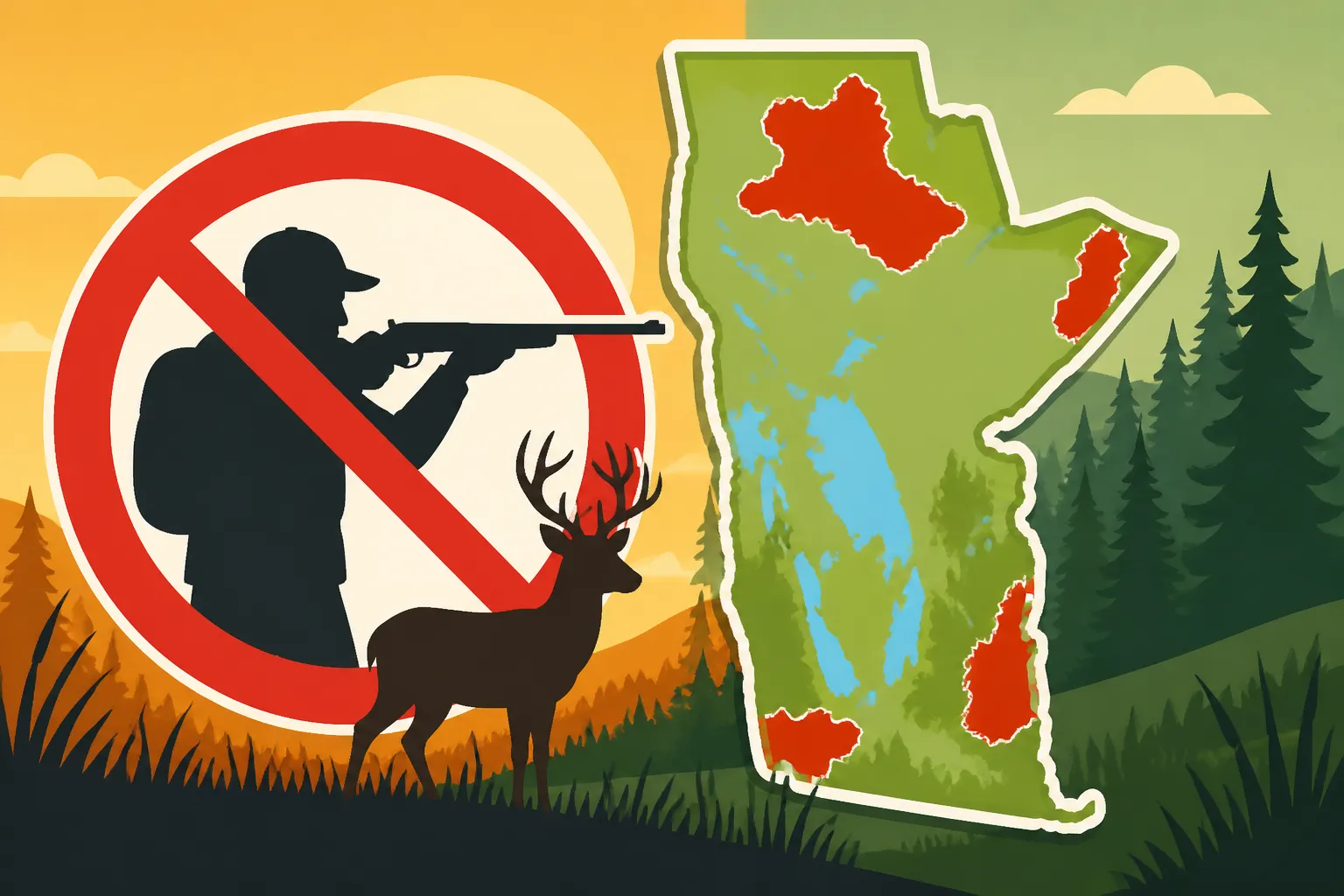
Before heading out, spend time with your mapping app. Zoom in on your planned hunting area and look for any red-shaded zones or clear boundary lines indicating prohibitions. GoHunt, for example, allows you to switch between various layers, revealing Game Hunting Areas, private land ownership, and often the exact boundaries of parks or wildlife refuges. This is far more efficient than cross-referencing multiple paper maps and government documents. It's also incredibly useful for Scouting With Satellite Imagery in Manitoba from your living room, long before you ever set foot in the field. Don't underestimate the power of these tools; they are your best defense against inadvertently hunting in a prohibited area.
Official Resources and Local Enforcement
While digital maps are excellent, they should always be complemented by official government resources. The Manitoba Sustainable Development website is your primary source for the most up-to-date hunting regulations, GHA maps, and specific rules for protected areas. Always download or consult the current year's hunting guide. Regulations can change annually, and what was open last year might be closed this year, or vice versa.
Furthermore, don't hesitate to reach out to local conservation officers or park staff if you have specific questions about a particular area. They are the boots on the ground and can provide clarity that even the most detailed map might not offer. While they are enforcement, they are also a fantastic resource for information. It's far better to ask a question beforehand than to deal with the repercussions of hunting where you shouldn't. Understanding Manitoba's Game Hunting Areas and then cross-referencing with specific prohibitions ensures you're fully informed. Remember, ignorance of the law is no excuse, and a quick phone call can save you a lot of headache.
Common Misconceptions and Grey Areas
It's easy to fall into traps of assumption, especially when dealing with complex regulations. One common misconception is that "Crown Land" automatically means "huntable land." As we've discussed, provincial parks, wildlife refuges, and even some designated community pastures are Crown Land but are closed to hunting. Another grey area can be properties that are privately owned but fall within a municipal boundary where discharge of firearms is prohibited. Even with landowner permission, you still can't hunt there.
Also, be aware of "buffer zones." Sometimes, even if the primary prohibited area ends, there might be a provincial or municipal bylaw that prohibits discharge of a firearm within a certain distance of residences or buildings, effectively extending the "no-go" zone beyond the official boundary. Always look for signage, and if you're unsure, treat it as a prohibited area until you can confirm otherwise. These nuances highlight why it's so important to be thorough. For instance, specific rules might apply when Hunting in a Wildlife Management Area or when accessing Public Hunting Land in Manitoba that varies by specific GHA or WMA. It's about combining all available information for a complete picture.
Here's a quick reference table for common prohibited areas:
| Area Type | Description | Typical Hunting Status | Primary Reason for Prohibition |
|---|---|---|---|
| Provincial Parks | Designated for recreation, conservation, and natural preservation. | Generally Prohibited | Public safety, ecosystem integrity, recreational use |
| Provincial Park Reserves | Land held for future park designation, similar rules to parks. | Generally Prohibited | Future park expansion, conservation |
| Wildlife Refuges | Established to protect critical wildlife habitat (e.g., nesting, wintering). | Prohibited | Wildlife protection, undisturbed habitat |
| Bird Sanctuaries | Specifically for the protection of migratory bird populations. | Prohibited | Bird conservation, undisturbed migration/nesting |
| Municipal Boundaries | Within city, town, or village limits. | Prohibited | Public safety, urban development |
| Designated Settlement Areas | Specific areas identified as populated or future development zones. | Prohibited | Public safety, urban-rural interface |
| Private Land (without permission) | Any privately owned land where you have not obtained explicit permission. | Prohibited | Trespass law, landowner rights |
Note: This table provides general guidance. Always consult the most current Manitoba hunting regulations and GHA maps for specific, up-to-date information.
Consequences of Hunting in Prohibited Areas
Nobody wants to find themselves on the wrong side of the law, especially when it comes to something we're passionate about like hunting. The consequences of hunting in prohibited areas in Manitoba are not only significant legally but also carry a heavy ethical weight that can damage your reputation and the broader perception of hunters. It’s a risk simply not worth taking, for you or for the future of our hunting heritage.
Legal Ramifications and Penalties
Hunting in a prohibited area is a serious offense under Manitoba's Wildlife Act and can carry a range of stiff penalties. This isn't just a slap on the wrist; we're talking about substantial fines, potential jail time in more severe cases, and the very real possibility of losing your hunting privileges. Imagine having your rifles confiscated, your vehicle impounded, and your hard-earned hunting license revoked, all because you didn't check a map or made an assumption. These are not just inconveniences; they are life-altering consequences that can impact your ability to hunt for years, even permanently.
Beyond the immediate penalties, a conviction can create a permanent record that could affect future travel, employment, or even the ability to own firearms. For non-residents, these violations can lead to being barred from entering Canada in the future. Conservation officers take these offenses very seriously because they undermine the entire framework of wildlife management and public safety. It’s far better to spend a few extra minutes on GoHunt verifying boundaries or making a phone call than to face the severe legal fallout of hunting where you shouldn’t. If you witness someone violating these rules, it's critical to know how to go about Reporting a Poacher in Manitoba to help maintain the integrity of the sport.
Ethical Considerations and Reputation
Beyond the legal penalties, there’s an even deeper consequence: the damage to your ethical standing as a hunter and the broader reputation of the hunting community. Hunting in a prohibited area is a clear violation of fair chase and responsible stewardship. It shows disrespect for wildlife, for the land, and for the regulations that allow us to hunt in the first place. When such incidents occur, they fuel negative perceptions of hunting among the non-hunting public, making it harder to protect our hunting rights and conserve wildlife for future generations.
Every time a hunter is caught breaking these rules, it gives anti-hunting groups ammunition and makes it more difficult for us to advocate for our sport. It paints all hunters with the same brush, even those who meticulously follow every rule. Our privilege to hunt is based on trust – trust that we will be ethical, safe, and respectful. Violating a prohibited hunting area breaks that trust. As hunters, we are often the staunchest conservationists, and upholding ethical practices, including strict adherence to these boundaries, is paramount to maintaining that image. It's about being a true conservationist, not just a harvester.
Disclaimer
The information provided in this guide is for general informational purposes only and is not intended as legal advice. Hunting regulations in Manitoba can change, and it is the responsibility of every individual hunter to consult the most current official hunting regulations, government publications, and local bylaws before engaging in any hunting activities. Always verify specific rules and boundaries with Manitoba Sustainable Development or local authorities.